


Tax season can bring excitement or stress, depending on whether you receive a refund or owe taxes. According to the IRS, the average refund in the 2024 filing season was $3,167, a considerable amount. A few thousand dollars might be just what you need for a new car, but keep monthly payments and long-term costs in mind. Rather than using the refund as “extra money,” consider how it fits into your overall budget and calculate how much you can realistically afford for a new or used car.
Ownership Costs
While it’s easy to focus only on monthly payments, it’s important to look at the overall costs. Car ownership consists of recurring costs, includiung insurance, fuel, maintenance, and more.
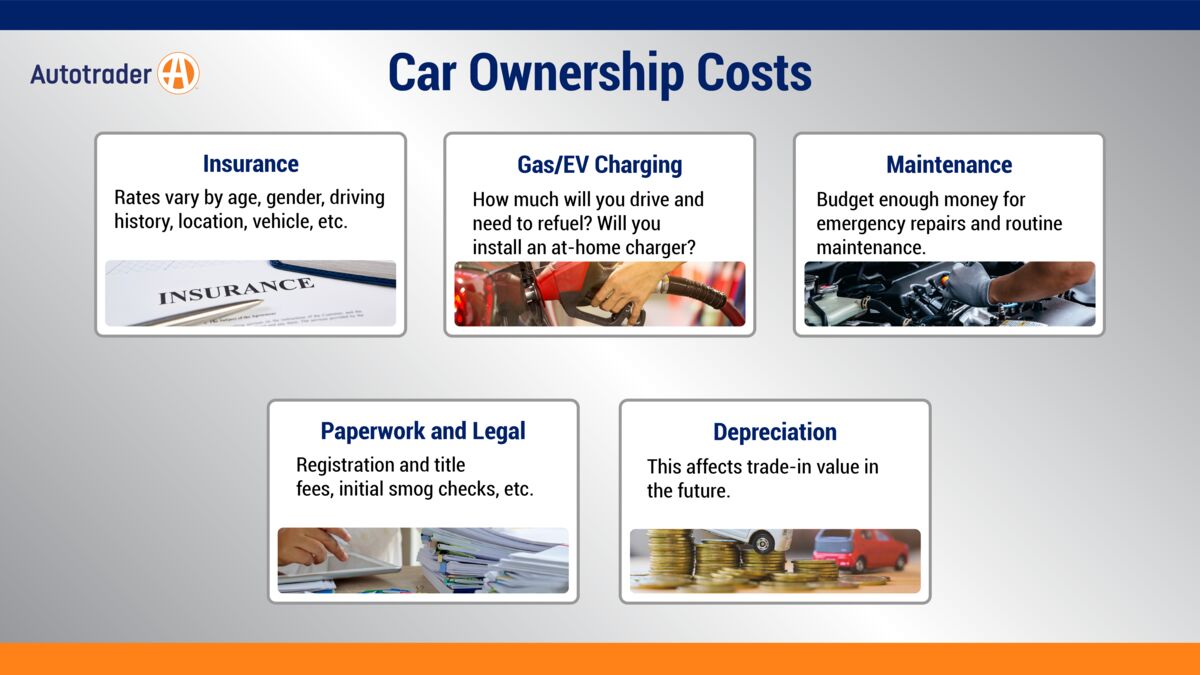
Even if a car payment by itself seems reasonable, it may not fit your budget once other costs are factored in.
Creating a Budget With Your Refund
When calculating your monthly car budget, start by reviewing all of your monthly expenses. As a rule of thumb, car-related costs should not exceed 15% of your total income. Meanwhile, your essential living expenses should not exceed 70% of your income.
Here’s a simple formula you can follow:
70% of your monthly take-home pay — current monthly expenses = the amount you can safely spend on car costs
Use Autotrader’s Affordability Calculator to help with your search.
Scenario

Your car payment can help cover car costs as part of your down payment or spread out over time. Using your income tax refund as a down payment can help reduce your overall loan amount and the interest you pay. Spreading your refund out over time can help you with monthly maintenance or insurance costs.
MORE: How to Use Your Tax Refund as a Down Payment
Mistakes to Avoid
Overspending: Remember, a tax refund is a one-time payment, not something you can rely on every year. Next year’s tax return could be smaller, or you could even owe the government money.
Not Considering Maintenance and Insurance: It’s easy to let these costs slip your mind, which is why it’s so important to create a clear budget before you buy a car. Maintenance and insurance costs can also easily push you over your budget, making what seems like a cheap car more expensive.
Longer Loan, Lower Monthly Payments: Choosing an overly long loan term may appear to be cheaper with lower monthly payments, but over time, you’re paying more in interest.
Bottom Line
A tax refund can be a helpful way to make car ownership more affordable, but it should be used as part of a realistic budget, not as a reason to overspend. Pay attention to total ownership costs and plan carefully to make a smart car-buying decision that fits your finances year-round, not just during tax season.


