


Diesel trucks are America’s workhorses. These machines move enormous loads thanks to a generous serving of low-end torque. And all the while, they return better fuel economy than gas models.
Choosing a diesel engine, whether in a midsize pickup or a heavy-duty full-size truck, costs more. So, are diesel trucks better than gas trucks? Are they worth the extra expense? Here are 10 questions to consider when deciding whether to go diesel.
1. How Does a Diesel Work?
While gas and diesel engines both rely on combustion to operate, diesel engines do not use a spark. Instead, they use higher compression to compress the air-fuel mixture to the point where it ignites on its own. Diesel engines still operate on four strokes: intake, compression, power, and exhaust, but they run at much lower engine speeds. They are also generally more thermally efficient and generate more torque than comparably sized gas engines.
2. Are Diesel Engines Built to Last a Long Time?
It is generally true that diesel engines last longer than gas engines, but the longevity of any mechanical device depends heavily on maintenance and how it is treated. Higher combustion pressures require more robust components, and some heavy-duty diesels use gear-driven valvetrains rather than timing belts or chains. Additionally, most diesel engines have heavier-duty cooling systems.
Diesel fuel itself is also a better lubricant than gasoline, which is more of a solvent. It helps lubricate components as it flows through the engine. Finally, one of the primary reasons diesels last so long is that they operate at around half the speed of gas engines, resulting in significantly less wear over time.
Dave Harriton is the founder and president of American Expedition Vehicles (AEV), a premier builder of parts and complete vehicles for off-road expeditions. The company works with many different diesel applications. "The Ram's Cummins diesel was originally designed as an industrial engine," says Harriton. "I believe their target goal is 350,000 miles before the first rebuild." He says AEV has generally found that diesels last longer than gas engines. But the reliability of a diesel can depend somewhat on how it's used. More on that later.
3. Why Are Diesel Trucks So Expensive?
Diesel engines are built with heavier-duty materials than gas engines because of the higher combustion pressures. That extends to the individual components, such as the pistons, camshaft, and more. Those changes can add five figures or more to the price tag of a vehicle equipped with a diesel engine over a gas unit.
4. Is Durability the Only Reason Diesels Cost More?
No. Additional costs come from systems that deliver fuel to the engine and clean up diesel exhaust. Almost all diesels need a turbocharger to produce reasonable horsepower and torque, further driving up costs.
On the exhaust side, complex emissions systems that reduce both particulates (soot) and nitrogen oxides (NOx) can add to the price of these engines. They require additional components that go beyond a gas vehicle's catalytic converter.
Most diesel engines employ a selective catalyst reduction (SCR) system that injects urea into the exhaust stream before it passes through a catalyst to reduce NOx emissions. The engine draws the diesel exhaust fluid (DEF) from an additional tank. A diesel particulate filter (DPF) then traps the soot in the exhaust.
In addition to the parts mentioned above, the emissions system requires additional sensors and electronic controllers. All these systems add considerable engineering costs to the manufacturer, which are passed on to the diesel buyer. But choosing a diesel brings many benefits, especially when it comes to towing.
5. Can Diesel Trucks Tow Heavier Loads?
Yes. Diesel engines usually provide significantly higher towing capabilities. In Ford’s 2026 Super Duty truck lineup, for example, the maximum tow rating with the 7.3-liter gas V8 engine reaches 22,500 pounds. Stepping up to the least expensive diesel engine option pushes that to 38,600 pounds, and the high-output diesel provides up to 40,000 pounds. Of course, these numbers require additional equipment, such as a gooseneck towing package.
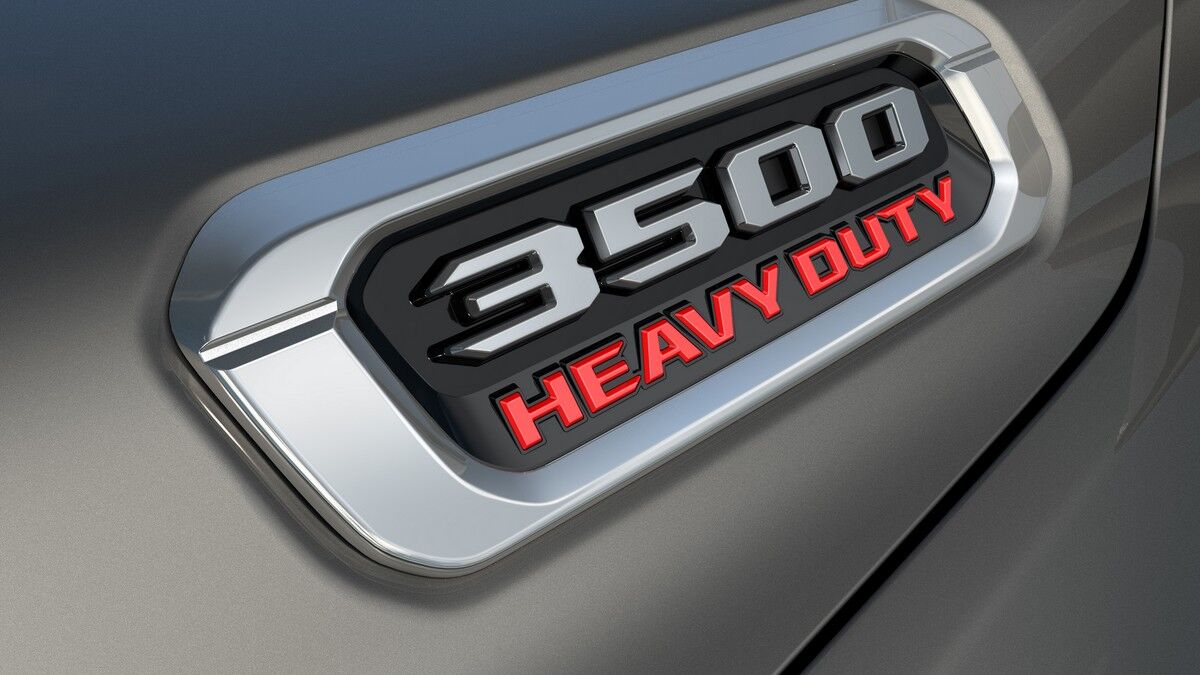
Diesel vehicles can tow more because of the low-speed torque they generate. A turbodiesel engine is adept at developing a huge plateau of torque that peaks way down low in the rev range. A high-output Cummins diesel in a Ram 3500 develops 1,075 lb-ft of torque at 1,800 rpm. The heavy-duty Ram's standard gas V8 produces 429 lb-ft of torque at 4,000 rpm. So, when towing a heavy load, the gas engine needs to rev higher to make less than half the torque. Because a diesel's torque hits so soon, the towing experience is more relaxing for the driver and puts less stress on the engine.
Turbocharging a diesel has another benefit. When you climb in elevation, a naturally aspirated engine will lose about 3% of its power for every 1,000 feet. A turbocharged engine doesn't experience that power loss because it automatically compensates for the thinner air by pumping more into the mixture.
6. Do Diesel Trucks Have Higher Resale Values?
Yes. Diesel-powered trucks tend to hold their value better than comparable gas models. Diesels' higher upfront purchase price tends to help resale values, and their capability and greater durability make diesel engines a desirable option in the used market. That said, it's important not to be overly confident about diesel durability. You should still have the truck inspected prior to purchasing, especially the emissions systems, which is where many problems start in modern diesel powertrains.
7. Do Diesel Engines Deliver Better MPG?
Yes. Diesel engines can be about 25% more efficient or better, compared to a similarly sized gas engine. The EPA doesn’t publish fuel economy ratings for heavy-duty and commercial trucks, but owners often report a significant fuel economy improvement over gas engines. Despite that, towing and hauling heavy loads reduces their efficiency, though diesel is still more efficient under stress.
While fuel economy is better with diesel, the fuel itself is more expensive. In mid-August 2026, the nationwide average diesel price is about $5.50 per gallon, while a gallon of regular unleaded gas averages $4.09.
8. Are Diesel Engines Expensive to Maintain?
Diesel engines have many advantages, but maintenance costs are not one of them. As mentioned earlier, diesel engines have more complex and expensive intake and exhaust systems than their gas counterparts. And that DEF tank, which typically holds five gallons, needs to be refilled, sometimes (but not always) in concert with oil changes. DEF costs about $3 per gallon.
Many modern diesel engines have multiple fuel filters, require more oil, and may require specialized maintenance from a trained diesel technician. Other components, such as the alternator, batteries, starters, and water pumps, usually cost more, too. Diesel trucks also tend to wear through tires faster due to their heavier weight and higher torque, which can stress the tire rubber.
9. Is It Smart to Consider Buying a Used Diesel Truck?
Check the specs on new diesel pickup trucks, and it's clear these machines can move mammoth loads. The good news? Slightly older trucks are nearly as capable. So, by comparing specs and examining how the truck was used, you can find a great used diesel truck for much less than a new one. Diesel engines are made with stout components and tend to last longer, which makes them a smart used-truck buy. Even trucks with close to 100,000 miles on them will have plenty of life left.
While it's tempting to look for one with low miles, unusually low mileage isn't always an advantage. You don't want a truck that's parked most of the time and used just three times a year for towing. Diesels that sit for long periods can have an increased likelihood of condensation in the fuel system, which could ruin injectors. That's especially true for trucks that live in humid climates. So, if you're looking at one with suspiciously low miles, be sure to ask for maintenance records.
10. Should I Avoid Diesel and Buy a Gas Truck?
Before deciding to plunk down that hefty premium for a diesel engine, make sure you don't simply want a diesel but actually need one. If you're regularly towing and hauling heavy loads, the extra cost for a diesel engine can be well worth it. On the flip side, if your daily drives are short and you only tow occasionally, a gas alternative might be better. That engine is always cheaper, easier to maintain, and gives you quicker throttle response.
While diesel torque feels great and is critical to pulling loads, these powerplants generally feel a bit lazier in everyday driving. While some may be more responsive than others, test drive several models to determine which truck and engine combination is right for you.
Visit our Car Buying Information Center for curated articles and resources to help you go into your car deal with confidence.
Editor's Note: We have updated this article since its initial publication.


