


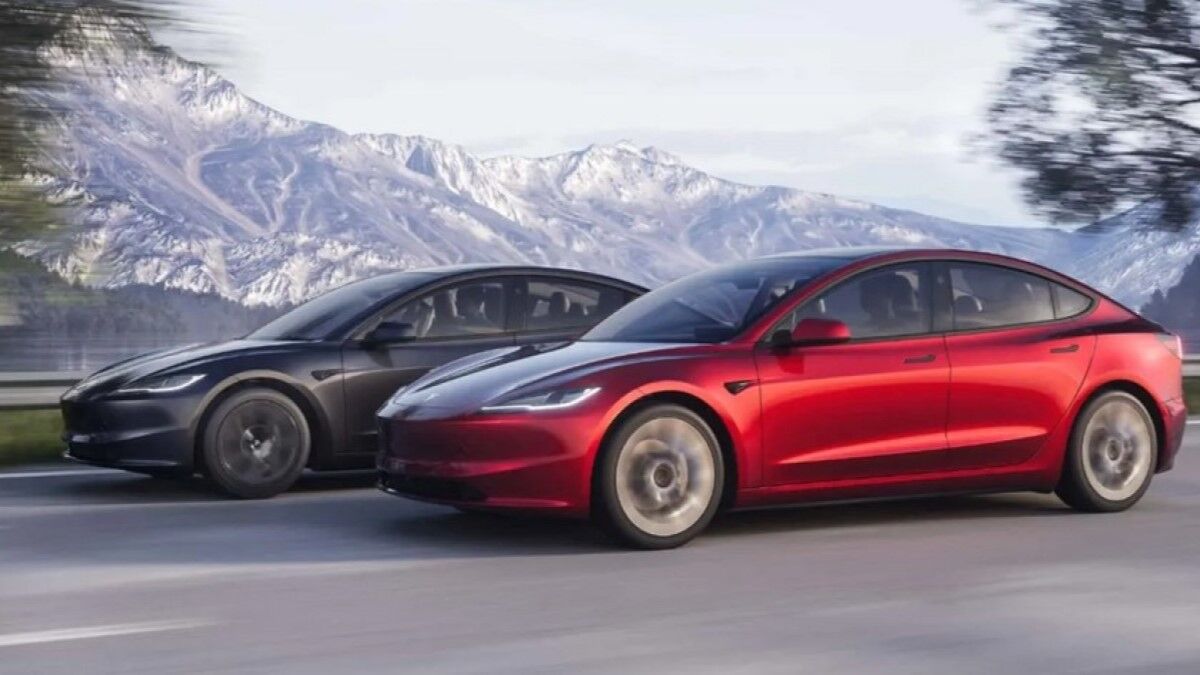
Used Tesla Model 3 Quick Facts
- The best years to buy a used Tesla Model are 2020 through 2022.
- The Tesla Model 3 debuted in 2017 and was the best-selling electric vehicle (EV) from 2018 to 2020.
- Buying a used Model 3 directly from Tesla after its factory warranty has expired includes a 1-year/10,000-mile bumper-to-bumper warranty.
- Tesla’s over-the-air updates help keep some older Model 3 vehicles up to date.
While the Tesla Model Y gets much of the attention and sales accolades now, the Model 3 was a revelation when it arrived in 2017. Offering several upscale features, an impressive driving range, and strong performance at a more reasonable price than the flagship Model S, the Model 3 is a solid electric option, especially on the used market. The best years to buy used are 2020 through 2022, as they offer more recent tech updates without the new-Tesla price tag. That said, the automaker takes a different approach to annual updates than manufacturers, rolling out new features when they become available, which could be in the middle of a model year. We’ve outlined the features and revisions made to the Model 3 over the years to help you determine which one best meets your needs. Let’s get rolling.
Which Is the Best Model-Year Used Tesla Model 3?
If you’re looking for a reasonable price on a used Model 3, the best years are 2020-2022. The 2023 and newer Model 3 cars are also good choices, but those Tesla EVs will likely cost more due to better battery and chip technology and potentially lower mileage. Buying a high-mileage Model 3 carries more risk, as battery degradation may occur after about 200,000 miles. This doesn’t mean the battery fails; it just won’t hold 100% of its capacity, which reduces the vehicle’s range.
See used Tesla Model 3 cars for sale near you
Tesla Model 3 Trim Levels Over the Years: Which Should You Buy?
The first-generation Model 3 runs from 2017 to the current model, although updates in 2021 and 2023 make these model years somewhat superior to the original. Over the long run, the Model 3 has seen changes to its price, content, and technology while retaining a familiar style and interior layout. Similar in size to the Audi A4 and Lexus IS, the Model 3 can comfortably seat five adults and carry their luggage in its 15 cubic-foot trunk.
Upon its introduction, Tesla offered only a Long Range trim, promising less expensive Standard Range and Mid Range models to follow. The Standard Range eventually arrived in 2018, but in limited numbers, meaning if you’re shopping in the early years, you will mostly find the more expensive Long Range model. Early on, other EVs in this segment include the Nissan Leaf, Volkswagen ID.4, and Hyundai Ioniq 5, with more direct competitors from Audi, BMW, and Polestar arriving later.
Tesla Model 3 — Year-by-Year Updates
- Alcantara headliner removed
- Updated control-arm design
- HW3 — 20× faster NPU
- ~5% power bump (OTA)
- Pedestrian speaker
- Homelink removed
- Auto-dim mirrors removed
- Basic AP now standard
- Frunk redesigned, no hooks
- Battery 75 → 82 kWh
- Heat pump (~20% range)
- Powered trunk
- Double-pane front glass
- Chrome delete + new wheels
- New center console
- USB-C, wireless charging
- Auto-dim mirrors return
- HW3.2 Gigabit ethernet
- New head/tail lights (EU)
- Heated steering wheel
- Radar removed
- Passenger lumbar removed
- Quieter interior
- SR+ → LFP (5.3 → 5.8s 0–60)
- LR battery 82 → 79 kWh
- Ryzen MCU (5× CPU, 4× RAM)
- Motors +10% HP/torque
- Li-ion 12V battery
- Heated wipers
- Matrix LEDs (M3P/Y)
- Mobile connector dropped
- Ultrasonic sensors removed
Compute & Tech
- AP4 cameras (4× res), HW4 GPU
- RAM 16→8 GB, SSD 256→128 GB
- USB-C charging up to 65 W
- UWB phone key
- 2 mics, 8″ rear screen
- Wi-Fi 2× range, new BT/modem
Exterior & Interior
- New bumper, Cd 0.225 → 0.219
- Fog lights merged in headlight
- Ultra Red paint
- Screen 15″ → 15.4″
- Stalks → wheel buttons
- Ambient lighting, vented seats
- Wood panel, rear mid heat
Acoustics & Chassis
- 17 speakers + 2 subs (was 14)
- Acoustic rear glass
- New springs, dampers, bushings
- Alu front control arm (no squeak)
- New hubs/rotors, +20% response
- Blind-spot indicator lights
- Cargo 23 → 24 cu ft
See 2017-2018 Tesla Model 3 cars near you
2026 Tesla Model 3 — Trim Specs
| Spec | RWD | Premium RWD | Premium AWD | Performance AWD |
|---|---|---|---|---|
| Drivetrain | Single Motor RWD | Single Motor RWD | Dual Motor AWD | Dual Motor AWD |
| Range (EPA est.) | 321 mi | 363 mi | 346 mi | 309 mi |
| 0–60 mph | 5.8 sec | 4.9 sec | 4.2 sec | 2.9 sec |
| Top Speed | 125 mph | 125 mph | 125 mph | 163 mph |
| Supercharge in 15 min | Up to 170 mi | Up to 195 mi | Up to 185 mi | Up to 162 mi |
| Max Supercharging | 225 kW | |||
| Seating | 5 adults | |||
| Cargo Space | 24 cu ft | |||
| Length × Width × Height | 185.8″ × 76.1″ × 56.7″ | |||
| Ground Clearance | 5.4″ | |||
| Curb Weight (RWD) | 3,759 lbs | |||
| Front Display | 15.4″ touchscreen | |||
| Vehicle Warranty | 4 yr / 50,000 mi | |||
| Battery & Drive Unit | 8 yr / 100,000 mi | |||
Range & 0–60 mph by Model Year
EPA-estimated range and manufacturer 0–60 mph times across each generation.
| Trim | 2017–2018Original | 2019–2020HW3 / 1st Refresh | 2021–2023Tesla Vision | 2024Highland |
|---|---|---|---|---|
| Standard Range | N/A | Up to 220–250 mi / 5.3 secRWD | Up to 263–272 mi / 5.3 secRWD | N/A |
| Mid Range | Up to 260 mi / 6.9 secRWD | Up to 264 mi / 6.9 secRWD | N/A | N/A |
| Long Range | Up to 310 mi / 5.1 secRWD Up to 310 mi / 4.5 secAWD | Up to 330 mi / —RWD Up to 322 mi / 4.4 secAWD | Up to 353–358 mi / 4.2 secAWD | Up to 363 mi / 4.9 secRWD Up to 346 mi / 4.2 secAWD |
| Performance | Up to 310 mi / 3.5 secAWD | Up to 322 mi / 3.2 secAWD | Up to 315 mi / 3.1 secAWD | Up to 303 mi / 2.9 secAWD |
A Word About Range
The range figures quoted by the manufacturer are estimates from the Environmental Protection Agency (EPA) based on ideal driving conditions. Actual range can vary depending on driving style and whether you have a light or lead foot. Outdoor temperatures can also affect battery life, especially extreme cold or heat. In cold weather, preconditioning the battery helps minimize power loss and won’t drain the battery as long as it’s done when the vehicle is plugged into a charger. Failure to precondition the battery pack can lead to slower charging times. Similarly, driving in extreme heat (temperatures over 95 degrees Fahrenheit) consumes more power as an electric car draws additional power to help cool its battery. Batteries at or near maximum temperature limits may shut down charging for safety reasons.
RELATED: Buying a Used Tesla: Everything You Need to Know
Things to Consider When Buying a Used Tesla Model 3
Five areas to inspect before signing for a pre-owned Model 3.
Battery Life
8 yr / 120K mi (100K RWD)$15K–$20K to replaceBest estimate is ~10 years before noticeable degradation. Tesla typically remanufactures packs rather than swapping in new ones. 2022+ Model 3s include built-in battery health diagnostics.
Storage & Charging
Charger ~$500Install $400–$2K+A Level 2 home charger is essentially required, so plan for a garage or covered carport. Total cost depends heavily on your home’s electrical capacity and panel location.
Long-Term Ownership
12 yr / unlimited corrosionDesigned for 1M milesFew moving parts means long potential life — and over-the-air updates fix many issues without a shop visit. Watch for galvanic corrosion where steel hardware meets the aluminum body, especially on cars from salt-belt regions.
Resale Value
Volatile pricingLate-model = best buyUsed EV values can swing sharply with new-car price cuts and EV market shifts. Older, high-mileage cars are cheap up front but risk a five-figure battery bill. A late-model Model 3 usually delivers more range and features for not much more money.
Recall History
Check NHTSA before buyingPast recalls have covered the electrical system, instrument cluster, front suspension, and the autonomous-driving system. Run the VIN through nhtsa.gov to confirm any open recalls were addressed before you sign.
What Model 3 Years Should You Avoid?
The 2017 through 2019 models use older chip and battery technologies that limit compatibility with some of the latest over-the-air updates. Early years also lack some options, like the base Standard Range trim, which doesn’t arrive until late 2018. The first few years for the Model 3 have more than their fair share of issues, including poor build quality, software issues, water leaks, and numerous recalls.
See used Tesla Model 3 cars for sale near you
Looking for a different Tesla model? See our article: Best Tesla Model Y Years to Buy Used. Check out our Buying hub page for curated articles, resources, and tools to help you go into your next car deal with confidence.
Editor’s Note: We have updated this article since its initial publication.


Joe, the older cars that opted for FSD were always updated and upgraded with the chips, cameras and Operating system. Those that don’t have 2.0 computers. The really early models have lifetime charging. Those are desirable for Uber drivers. Don’t need the tech, just the juice to drive. JJTDFB