




Buying a car is a major life event, and new car prices are hovering near all-time highs. According to May 2026 data from Autotrader’s parent company, Cox Automotive, the average transaction price (ATP) for a new vehicle is $49,220. That’s a significant investment, and the process can feel overwhelming. To ease your car-buying journey, this guide covers everything you need to know to buy a new or used car with confidence.
After doing your research, you will set your budget, get preapproved for financing, and see whether incentives or a trade-in of your current vehicle can help offset costs. Once you know your numbers, you can test drive and inspect the vehicle, negotiate the out-the-door price, and complete the necessary paperwork.
Before you know it, you’ll be hitting the road, confident that your car-buying savvy got you the best deal possible.
Steps to Buying a Car
Step One: Do Your Research
Researching your next car doesn’t have to be daunting. You may already know exactly what type of vehicle you want, or even the specific model. If you’re still unsure, start by deciding whether you want a new car or a used model:
- New: A new car typically has limited mileage from test drives, no prior damage, more warranty coverage, and no previous owners. The downside is a higher price and faster initial depreciation.
- Used: Used cars have previous owners, and their mileage varies widely. The price is generally lower, but you’ll need to carefully review the car’s vehicle history report, and warranty coverage may be limited or unavailable.
- Certified Pre-Owned (CPO): A CPO vehicle is a used car that has been inspected and certified to meet the manufacturer’s standards. It also comes with a manufacturer-backed CPO warranty and usually costs more than a non-CPO used car.
On Autotrader, you can search for cars, trucks, SUVs, and minivans at local dealerships and see Kelley Blue Book ratings for participating dealers. You can filter results by body style, convenience and safety features, and, of course, set price limits.
If you already have a good idea of what kind of car you want — perhaps even a specific make and model — research different trim levels and features. Is upgrading to all-wheel drive (AWD) worth the extra cost? Is the infotainment system compatible with your smartphone? Do you really need massaging leather seats? These are the kinds of questions you should to consider as you compare finer details of your next car.
Step Two: Set Your Car-Buying Budget
Everyone’s car budget is different, which is why you need to do some math to determine yours. One common rule of thumb is to spend no more than about 20% of your monthly take-home pay on total vehicle expenses. That includes the monthly payment, registration, fuel, insurance, and maintenance.
Here’s an example in round numbers. if your household brings home $5,000 per month, you could allocate up to $1,000 per month toward a car, including all related expenses. If you spend about $150 per month on fuel, $150 on insurance, and set aside $100 for maintenance and annual registration, that leaves roughly $600 for a monthly car payment. Keep in mind that’s the maximum guideline, not a target. Don’t overextend your budget for a car, and remember there is nothing wrong with spending less if you need to use more of your income for other priorities.
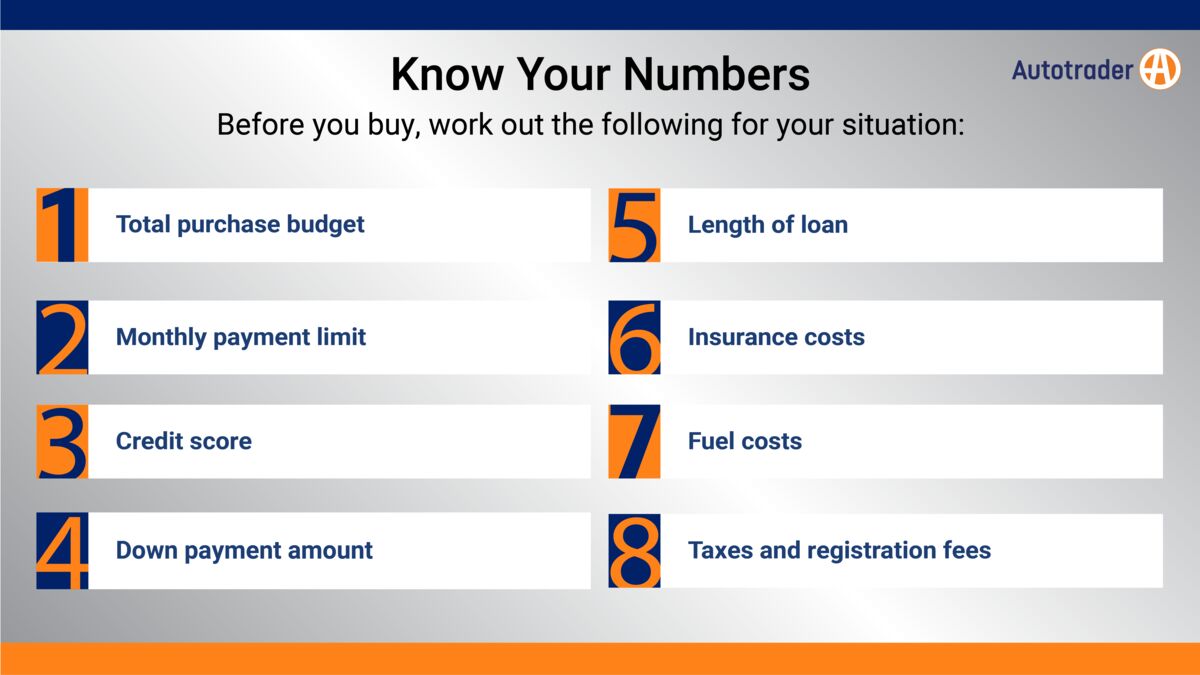
When you have an estimate of your monthly payment, try our Car Loan Payment Calculator. Enter the price of the car you have in mind, the estimated interest rate, down payment, and the trade-in value of your current car. The calculator will estimate your monthly payment. We also have an Affordability Calculator that lets you start with your preferred monthly payment to determine the price range best suited to your budget.
Step Three: Understand Your Financing Options
Your financing options are to get a lease or a loan. Of course, you can pay cash. If you buy with cash, your budget is whatever amount you have available, and you won’t have to worry about interest or monthly payments. Leasing or borrowing is a little more complicated due to comparing rates, terms and total costs.
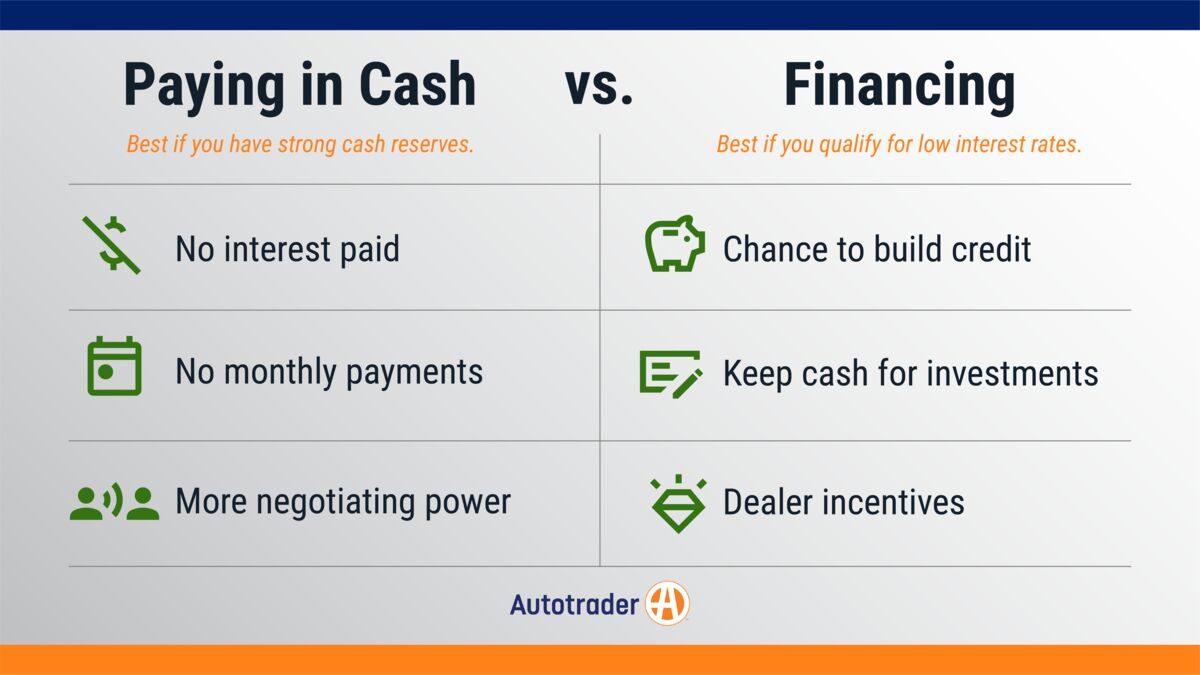
Unless you are buying your car with cash, get preapproved for financing. Many lenders allow you to apply online. Whether the application affects your credit score depends on the lender and if it uses a soft or hard credit inquiry. Borrowers with strong credit scores may quaility for lower interest rates. Once you’re preapproved, compare offers from different lenders and give the dealer a chance to beat the best rate.
If you have bad credit or no credit, you may not qualify for a favorable interest rate, but you can still apply for a loan. Showing proof of stable income, increasing your down payment, or adding a cosigner may improve your chances of approval or help you secure a lower interest rate.
Calculating a lease payment is similar. One difference is that the amount due at signing is usually set in the advertised lease deal and may be less flexible than a down payment on a loan.
Step Four: Use Incentives to Find a Deal
Car prices in 2026 are high, but a great deal may help you afford a nicer car than you thought. If you are set on a specific make or model, your options may be limited. However, if you are willing to be flexible about the type of car that you’re considering, you may find a good deal. Watch for incentives from automakers on new vehicles. If you lease or get a loan through the automaker’s financing arm, you may find discounts, rebates, and special rates that fit your needs and budget.
Every month, Autotrader compiles the best car deals, best truck deals, and best SUV deals to help you find a competitive price for possible on your next ride. Check current offers before settling on a vehicle. From zero-interest financing and affordable lease payment specials, some deals can deliver substantial savings.
Step Five: Get the Value of Your Trade-In
Your car is like a down payment on wheels, especially if it’s relatively new, has reasonable mileage, is in good condition, and is worth more than how much you owe on its loan. Trading it at the dealer is easier than selling your car yourself. However, you will almost always get more money for your car by selling it privately. We recommend listing your car on Autotrader’s Private Seller Exchange.
Use our car values tool to get an estimate of what to expect for the trade-in value of your car. You can also get an Instant Cash Offer from nearby dealers. All you need to get started is the vehicle’s VIN or its license plate number.
Step Six: Do a Test Drive
Once you’ve narrowed your search to a small group of cars, trucks, or SUVs and are preapproved for financing, then it’s time to visit the dealership. While much of the car-buying process can be done online, there’s still no substitute for looking at cars in person, sitting in them, and taking them for a drive.
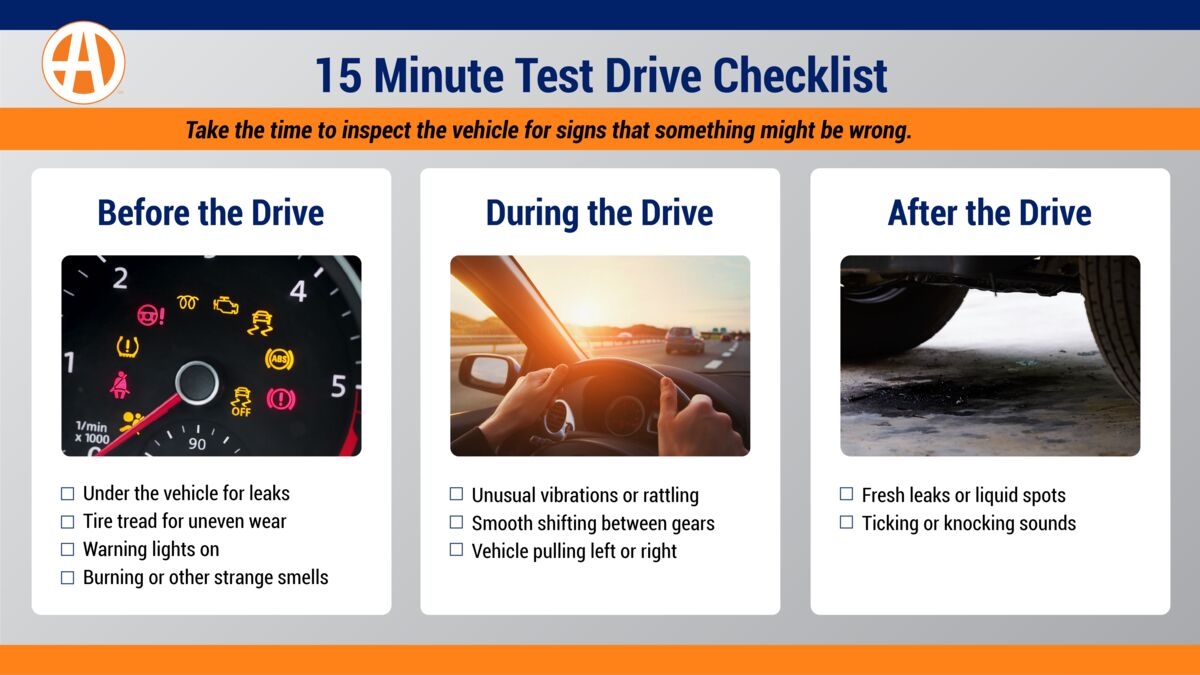
Whatever you do, don’t feel rushed or pressured by the sales staff before you’re ready. Ask to see different models, trims, and even paint colors if that’s important to you. If you want to sleep on it or look at options at another dealer, don’t be afraid to say “no” to your salesperson. The more options you compare, the more confident you’ll be that you’re getting the right car. If it’s a used model, review its vehicle history report, and consider a pre-purchase inspection. A $300 inspection could save you $3,000 or more.
For a complete guide to making the most of your test drive, check out our Test Drive Checklist.
Step Seven: Negotiate and Close the Deal
You’ve done the research, set your budget, gotten preapproved, and test-drove your top choices. Now it’s finally time to make the deal. The advertised or sticker price does not reflect your final cost. The dealer will try to sell you on add-ons and warranties. Taxes, registration costs, and dealer fees also contribute to the final out-the-door price, which is the number to focus on when comparing and negotiating offers.
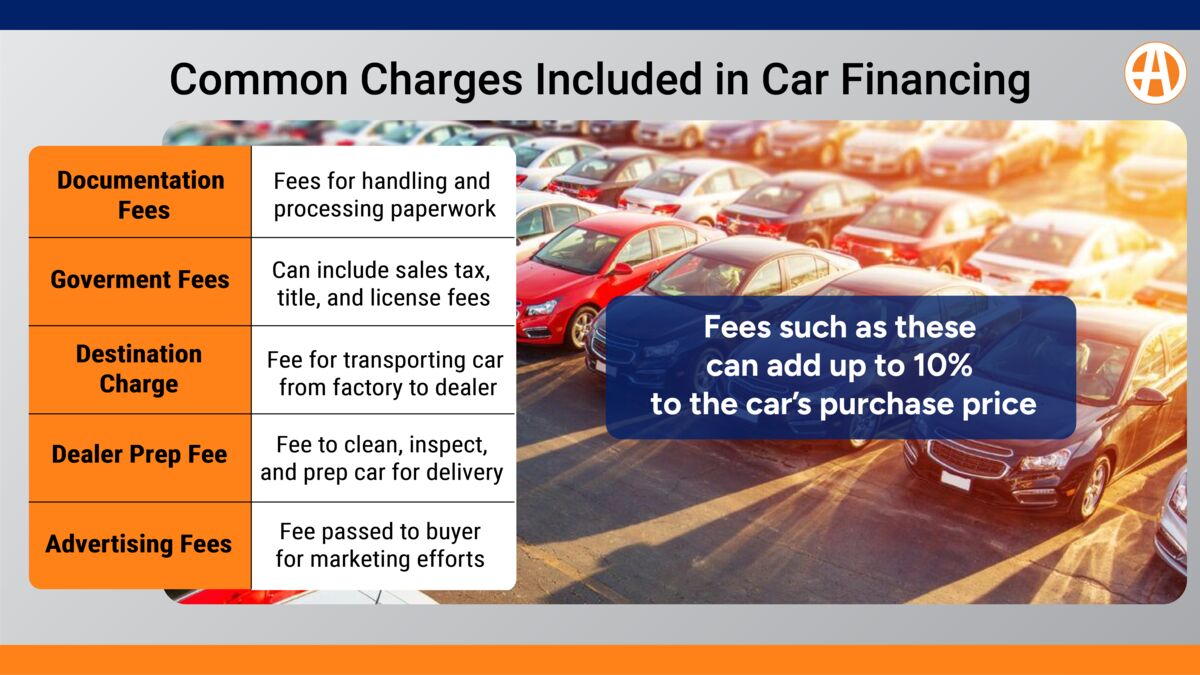
Once you’ve negotiated a number you’re content with, you can close the deal. If your loan is preapproved, don’t forget to ask if the dealer can beat your rate. Be sure to carefully read all documents and don’t be afraid to ask about any additional fees or charges.
This is normally the part shoppers stress out over the most, but if you’re diligent with your homework, you’ll be able to buy with confidence.
MORE: Negotiating With Car Dealers: 6 Steps to Get a Better Deal
Step Eight: Know What Documents and Paperwork You Need
When you set out to buy a car, bring the documents needed to complete the sale and legally drive away.
Here’s what you need to have available:
- Driver’s license
- Proof of insurance
- Proof of income/residence (if financing through dealer)
- Preapproval documentation
- Payment method
- Car title, current registration, and loan information, if you are trading in a vehicle
When you leave the dealer or private seller, you should have:
- Bill of Sale
- Copy of the sales contract
- Title and registration paperwork, or confirmation that the dealership is processing it
Don’t forget: Contact your insurer before driving the vehicle to confirm that you have coverage.
How to Buy a Used Car
The primary difference between buying a used car and a new one lies in carefully evaluating the vehicle’s condition and history. With a new car, you don’t have to worry about prior damage or wear and tear from previous owners. However, the potential savings can make the extra steps worthwhile.
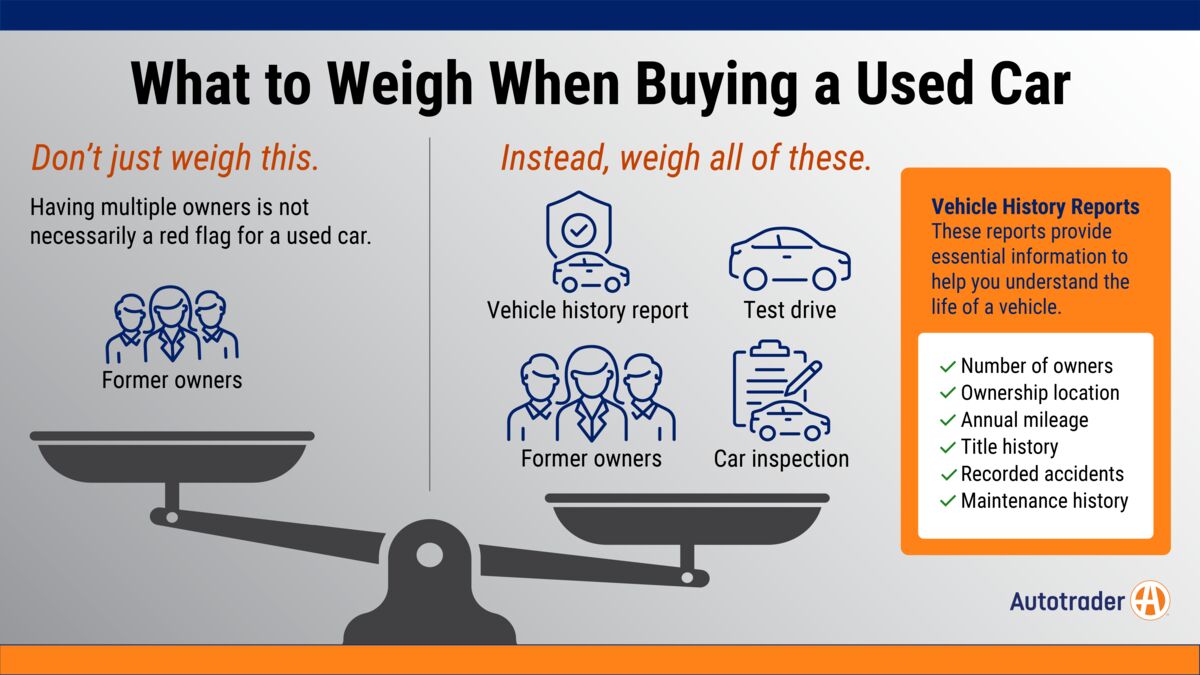
Always get a vehicle history report for a used car. This can show its ownership, service, title, and reported accident history. Rebuilt or salvage-title vehicles carry additional risks, and any prior collision warrants careful review, even when the reported damage was minor. Depending on the make and model, a higher mileage vehicle may be just fine if it has received regular maintenance.
If everything checks out, you’ve test-driven the car, and you want to proceed, we urge you to get a prepurchase inspection. This adds another layer of protection.
For an in-depth guide to buying used, read our Used Car Buying Guide.
How to Buy a Car from a Private Seller
When you’re buying from a private seller, the risks are different from those of buying from a dealer. The trade-off is that you can often get a lower price without dealer upsells or extra fees.
You still need to follow the same steps outlined for buying a used car, including checking the vehicle history report and getting a prepurchase inspection. However, making a safe and secure payment is a top priority when buying from an individual. In a peer-to-peer transaction, the buyer and seller must agree on the payment method. No method is foolproof, but you might consider meeting at the seller’s bank with a cashier’s check. The seller can ask a teller to verify the check’s authenticity before either party signs any paperwork. Alternatively, use Autotrader’s Private Seller Exchange, which facilitates the transaction for you.
It’s usually the buyer’s responsibility to register the vehicle, transfer the title, and pay the sales tax, so don’t forget to factor those costs into your budgeting.
How to Buy a Used Car from a Private Seller walks you through the details.
How to Buy a Car Online
Buying a car online adds convenience and gives shoppers more purchasing options. Not having to spend a day at the dealership or meet strangers and figure out safe payment options can save time and energy. The process still follows the same general steps outlined above, but a few things might look different, including the test drive.
Depending on your location, the seller’s location, and the platform you’re using, you may still be able to take a test drive. If you buy through Autotrader, for example, you can arrange a video walk-around and at-home services for the test drive, paperwork, and home delivery. If a test drive isn’t possible, there may be a return or test-own window that you can utilize.
For all the details, read our complete guide to Buying a Used Car Online.
How to Buy a Car with Bad Credit or No Credit
Having no credit or poor credit makes financing a car more difficult, but not impossible. Be prepared for a high interest rate and possibly a higher down payment.
If you can take time to improve your credit score and save for a higher down payment, do so before applying. Of course, that’s not always possible if you need reliable transportation quickly. In that case, consider asking someone to cosign a loan. Because the cosigner becomes responsible for the debt, if you fail to pay, both parties should understand the financial and personal risks.
MORE: 5 Tips for Financing a Car With Bad Credit
How to Buy a Car With Cash
Buying a car with cash is straightforward. You avoid interest, won’t have a monthly payment, and may have more negotiating flexibility. The biggest downside is parting with a significant part of your savings. That money could otherwise remain available for emergencies or investments, but many buyers value avoiding debt and interest charges.
You can take a deep dive into the topic at Buying a Car With Cash: Everything You Need to Know.
How to Buy a Car Out of State
If you need to buy a car in another state, the process looks much like buying online. Always get a vehicle history report and, if you’re buying from a dealer, make sure you have the full out-the-door price before agreeing to buy. You’ll generally pay taxes for the state where you live and register the vehicle, but you should always check your state’s emissions, title, insurance, and inspection requirements before buying. Don’t forget to factor transportation costs into your budget.
You might not be able to take a test drive, so arrange a prepurchase inspection whenever possible.
We break down all the details of this type of purchase in Buying a Car Out of State: 8 Things You Must Know.
The 2026 Car-Buying Market
Car prices remained near record highs in the first half of 2026 with the ATP for a new car in May coming in at $49,220. In April, the weighted-average auto loan rate was estimated at 9.45%. New-car affordability remains a real issue for many buyers, causing some to turn to the used-car market, which has been booming. In May, the average used-car listing price was $26,918 — the highest level since mid-2023.
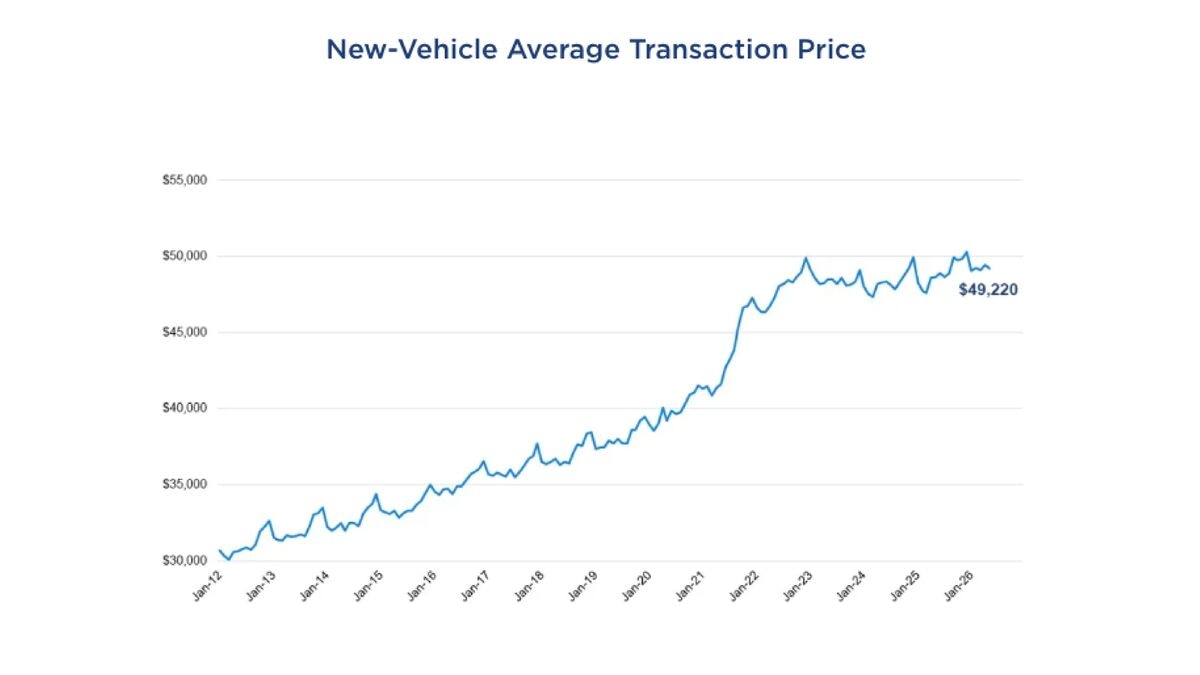
Car shoppers face difficult decisions because of these prices. While there are still good deals and incentives to be found, any vehicle, whether new or used, is a major investment. Competition in the used-car market is strong, and inventory levels are below average across most segments. Shoppers focused on affordability need to be flexible about what they want and which features they are willing to live without to stay within their budget.
FAQs
If you’re buying from a private seller, the actual transaction can take an hour or two. At a dealership, test drives, negotiation, financing, and paperwork can take several hours. Research will probably take the most time, especially if you’re exploring many different makes or models.
The average transaction price for a new vehicle in May was $49,220. For a used car, the current average listing price is $26,918. While 20% is one rule of thumb, a larger down payment can reduce your monthly payment and interest costs, but the right amount depends on your budget, loan terms, and available savings.
You will need your driver’s license, proof of insurance, a financing preapproval letter if you have one, proof of income and residence if you plan to finance through the dealer, the title registration, and loan information for your current car if you plan to trade it in, and a payment method.
Age requirements for buying, financing, titling, or registering a vehicle vary by state. Generally, minors cannot enter a binding finance contract without an adult cosigner.
According to the U.S. Department of Transportation’s Federal Highway Administration, drivers average about 12,200 miles per year, though totals vary by household and vehicle use. A 5-year-old car, for example, might have around 61,000 miles. Mileage matters, but maintenance history, condition, and model reliability are also important. A well-maintained higher-mileage car may be a better choice than a neglected lower-mileage one.
If you’re looking to buy a car, visit to our Car Affordability Information Center, where you can find curated articles, tools, and more to help with your initial research. When you’re ready to buy, confirm your budget with our Autotrader Payment Calculator. Get prequalified before going to the dealer, and get an Instant Cash Offer for your trade-in.
Editor’s Note: We have updated this article since its initial publication.


Yes Josh this is true. When I look for a late model Pickup. I check the Dealers first. Always buy the vehicle you are looking at from the Auto makers dealership. Dodge to Dodge Ford to Ford Chevy to Chevy. Then ask the business Rep. who they use for extended warranty. Use the one they recommend. If you have a problem they will take care of it through the company they recommend. Make sure you know what the coverage’s are and the deductible and go from there.
dealership costs more. buying directly from the owners of the vehicles costs less you save two to three thousand dollars. . instead after locating the car take it to your mechanic to inspect the car buying making the deal.