


Gas-powered vehicles still dominate America’s roads, but electrified alternatives have gained popularity in recent years. The term electrified vehicles is often used when referring to electric vehicles (EVs), hybrids, plug-in hybrids (PHEVs), and sometimes extended-range EVs.
Each offers unique benefits that may fit your life and driving style better than others, so let’s get rolling and explore the differences between EVs, PHEVs, and hybrids.
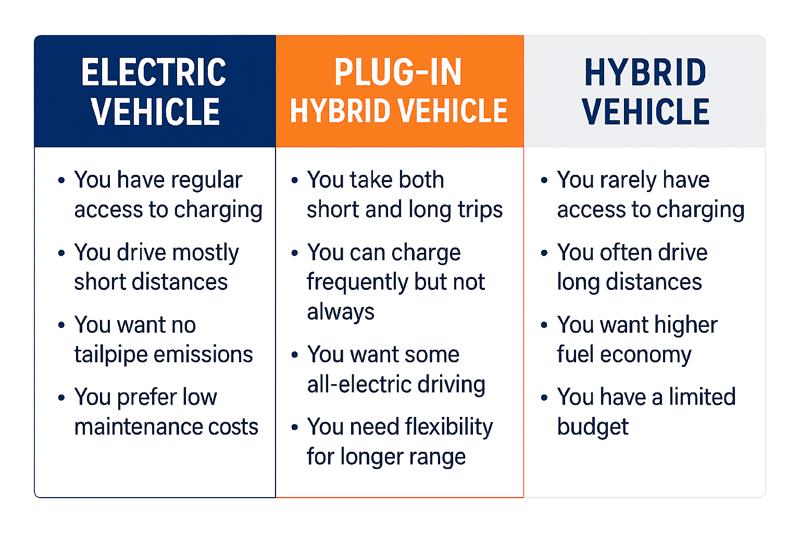
Electric Vehicles
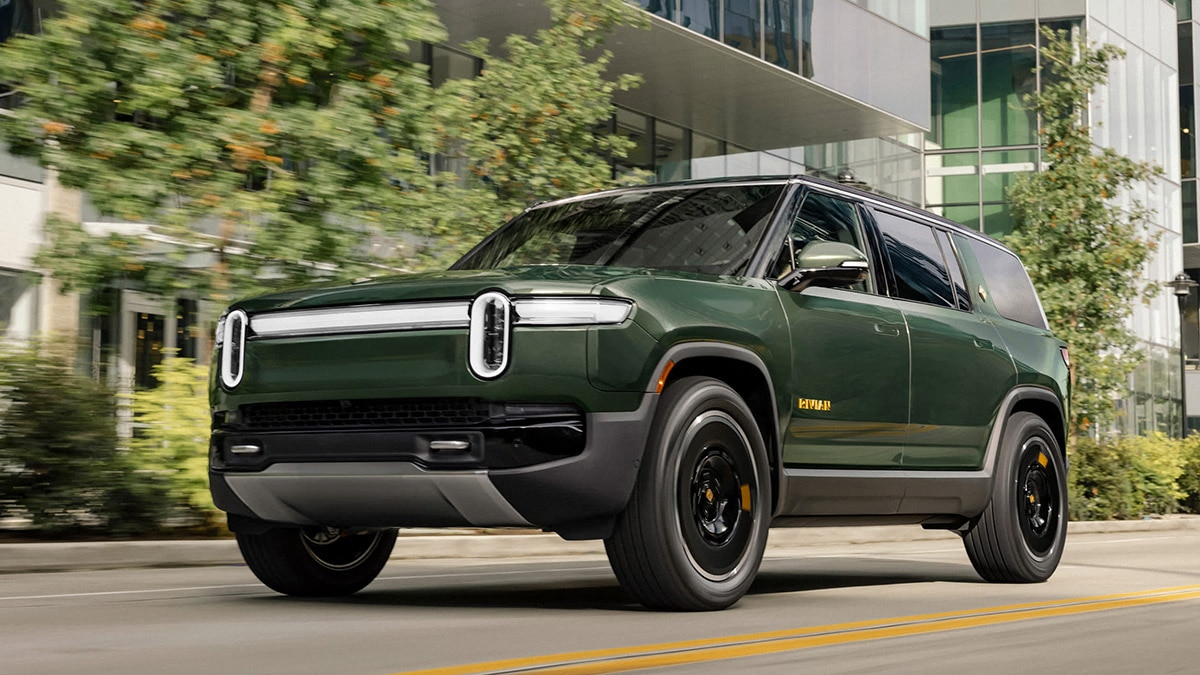
Electric vehicles don’t use fossil fuels to generate propulsion power, but they do require charging. EVs are typically more expensive than comparable gas or hybrid models, but that extra cost comes with the benefit of zero tailpipe emissions and no need for stops at the gas station.
EV Pros
- Saves money: Electricity generally costs less than gasoline, which can lower your operating costs.
- Convenient for short trips: Great for emissions-free driving around town and for shorter road trips
- Good for the environment: EVs produce no tailpipe emissions.
- Low maintenance: Save money on service. Electric cars typically require less routine maintenance.
- Suitable for hazardous driving: Many electric cars offer all- or 4-wheel drive for added traction.
- Special driving lanes: Some areas provide special driving lanes for EVs, which can save commute time.
EV Cons
- Batteries are not very eco-friendly: EV batteries use materials that require resource-intensive mining to excavate.
- Charging infrastructure: You’ll likely want to install a Level 2 home charger, and no charging is faster than filling a gas tank.
- Impractical for street parkers: If you can’t park near a charger at night, you miss out on ideal charging times.
- Limited range: Long-distance cross-country road trips take serious planning for charging stops.
- Expensive to replace battery packs: When a battery pack needs to be replaced, it can be costly.
Hybrid Vehicles
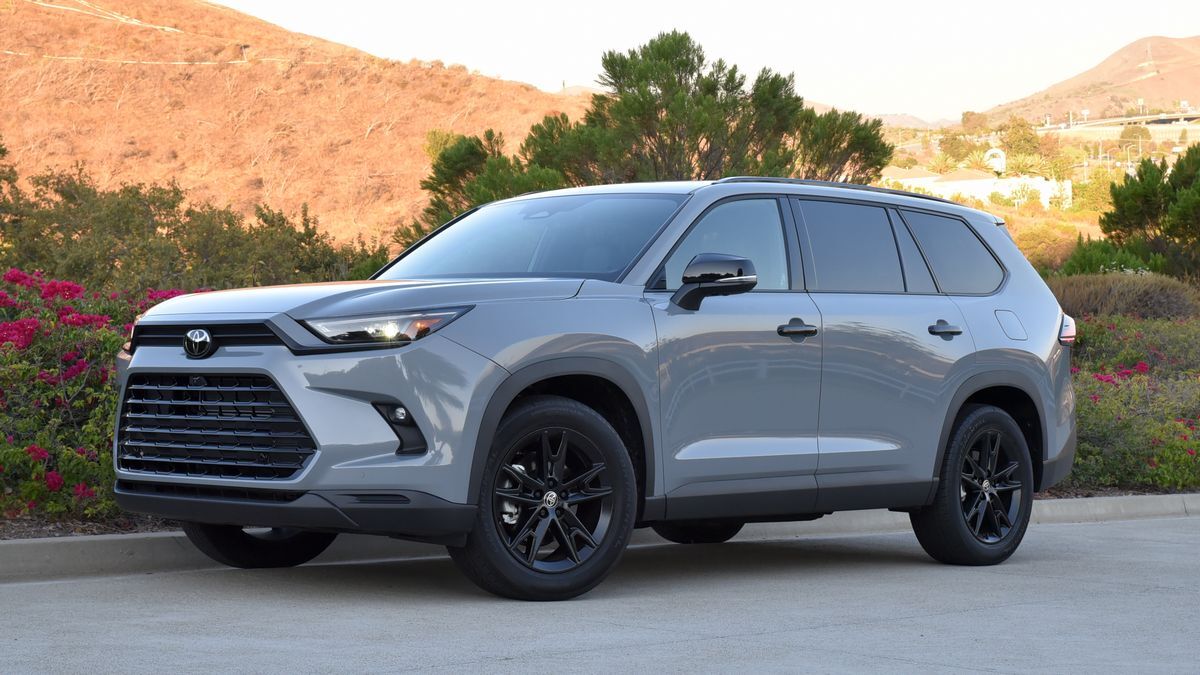
Hybrids are the closest electrified vehicles to traditional gas models. They still rely on fossil fuels for combustion, but they have a small electric motor or motors that assist with acceleration, allowing the gas engine to shut off and conserve fuel at times. Hybrids do not require charging. Instead, they replenish their battery power with regenerative braking and sometimes use excess energy from the gas engine.
Hybrid Pros
- Lower initial cost than EVs: Hybrids are less expensive than similar electric and plug-in hybrids
- Significant fuel economy gains: Most hybrids are far more fuel-efficient than gas cars.
- Numerous options: Hybrid vehicles are available in a wide range of shapes and sizes.
- No need to charge: Hybrids can drive anywhere where gasoline is sold.
- No cargo compromise: Relatively small battery packs mean more cargo space than PHEVs and EVs.
Hybrid Cons
- Lots of complexity: Hybrids pair both gas and electric motors, which means more components that could develop issues.
- Limited emissions-free driving: Tailpipe emissions are produced whenever the engine is running.
- Not the greenest option available: While still more eco-friendly than a gas car, hybrids do still pollute with tailpipe emissions.
- Still more expensive than gas cars: Most automakers charge a premium for hybrids over conventional gas models.
Plug-In Hybrid Vehicles
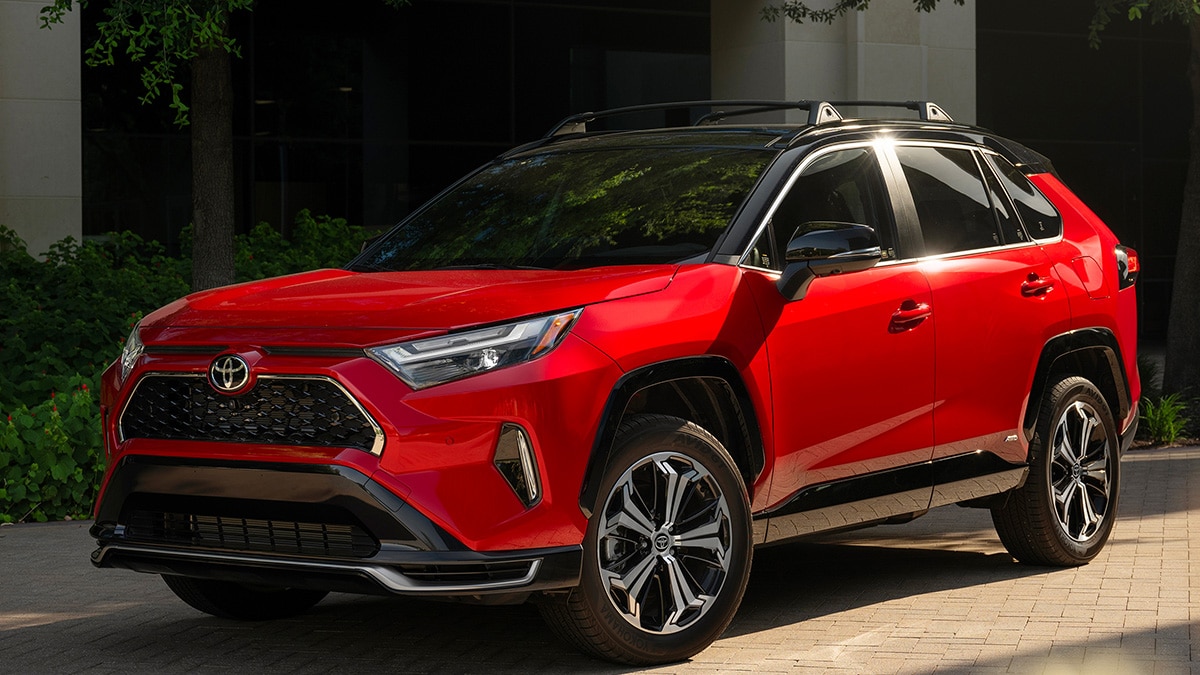
Plug-in hybrids function similarly to regular hybrids, but they have larger battery packs and more powerful electric motors that enable a limited all-electric driving range. They are more expensive than hybrids but generally less expensive than EVs, and there are far fewer options available.
Plug-In Hybrid Pros
- Emissions-free commuting for many: With around 25 miles of range on many PHEVs, some drivers can commute without using gas.
- Quick charging: Smaller battery packs than fully electric cars mean fairly quick charges.
- Limitless range: Even after the battery is depleted, a PHEV can drive as far as you like on gasoline.
- Excellent fuel economy: PHEVs don’t use much gas for most driving, especially if you charge regularly.
- Most people won’t know you’re in a hybrid: PHEVs look like regular cars.
PHEV Cons
- Limited electric range: Around 25 miles of electric range isn’t enough for long commutes or trips.
- Extra complexity: PHEVs are even more mechanically complicated than hybrids, which can increase potential maintenance.
- Not many choices: Only a handful of PHEV models are on the market.
- Smaller trunks: PHEVs typically have larger batteries than hybrids, which may reduce cargo volume.
- Definitely a stepping stone: Plug-in hybrids are widely viewed as a step in the direction of EVs, not a long-term solution for electrification.
Extended-Range EVs Have Arrived
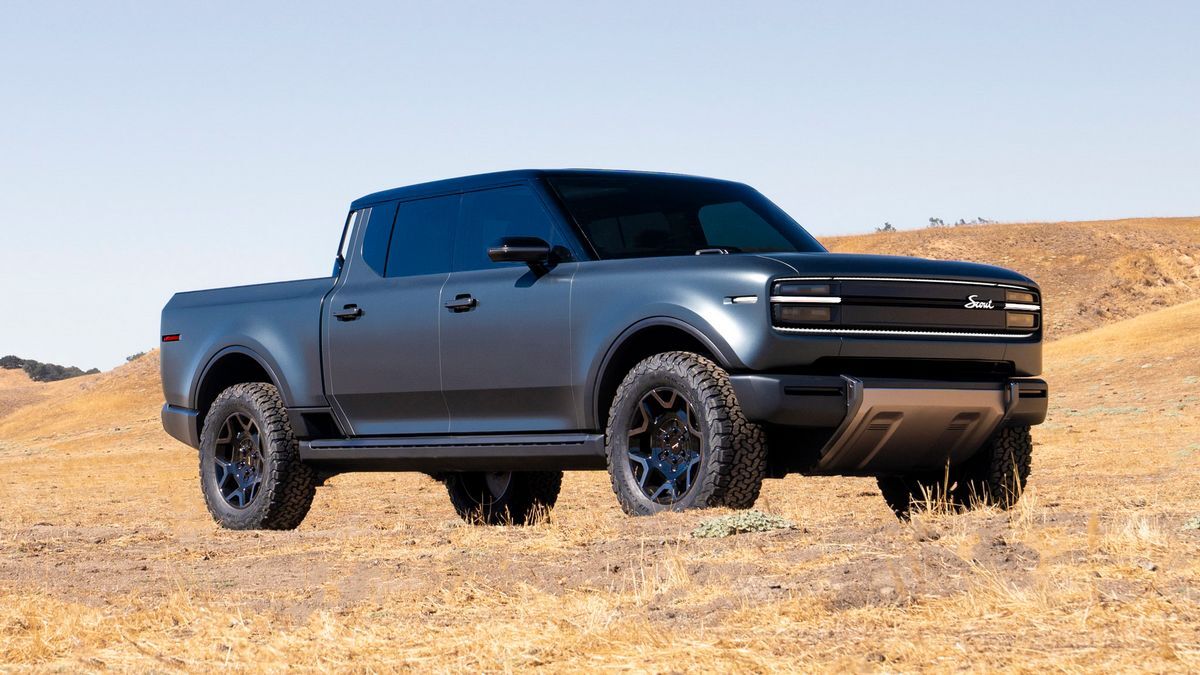
Extended-range EVs, or EREVs, aren’t a new thing, but automakers are readying a number of new models, which are scheduled to arrive between 2026 and 2030. The Ram 1500 REV, new Scout EVs, and others will offer an all-electric drivetrain with a gas engine that acts as a generator. When the battery charge runs low, the gas engine recharges the pack and can power the electric motors directly.
Editor’s Note: This article has been updated since its initial publication. Andrew Ganz contributed to the report.


I had to look twice at the comment about not looking like you are driving an EV. Why would that comment be in the Pro or Con category? Why would it matter if others think you are driving an EV or a gasoline powered (or diesel) vehicle? Am I missing the point somehow?
The PHEV Pro about people not knowing your in a hybrid is a weird boomer thing to say! A lot of the electric vehicle focused articles on this site all have similar apologetic stances for wanting better fuel economy and to not totally screw future generations over with climate change. Weird, dude.
I’ve driven a PHEV, a Honda Clarity, for 5 years. When I bought it, the following was explained to me: The Clarity never runs purely on gas. When the car is placed in the HV Charge mode, the gas engine becomes a generator that recharges the E battery. In this car, I can drive up to 60 miles in EV, depending upon conditions, like keeping my speed to 55 mph, and not having to use the heater, a/c, wipers, or ither auxiliaries. For half if the year I’ve charged my car during the day as I have solar panels. For the other half of the year I home charge at Level 1. It used to be that most PHEVs can run about 25 +\- miles on E alone, but there are a few now that state their range as being 35-45 miles. It is very unfortunate that Honda did not adequately market the PHEV Clarity, for it is the best car I’ve ever driven. I do long distance roadtrips twice a year and have never had a problem, and my maintenance is next to nothing.
Thanks for reading, Nona. You aren’t the only praising the Clarity. Many Clarity fans blame poor marketing on its relatively short life.