


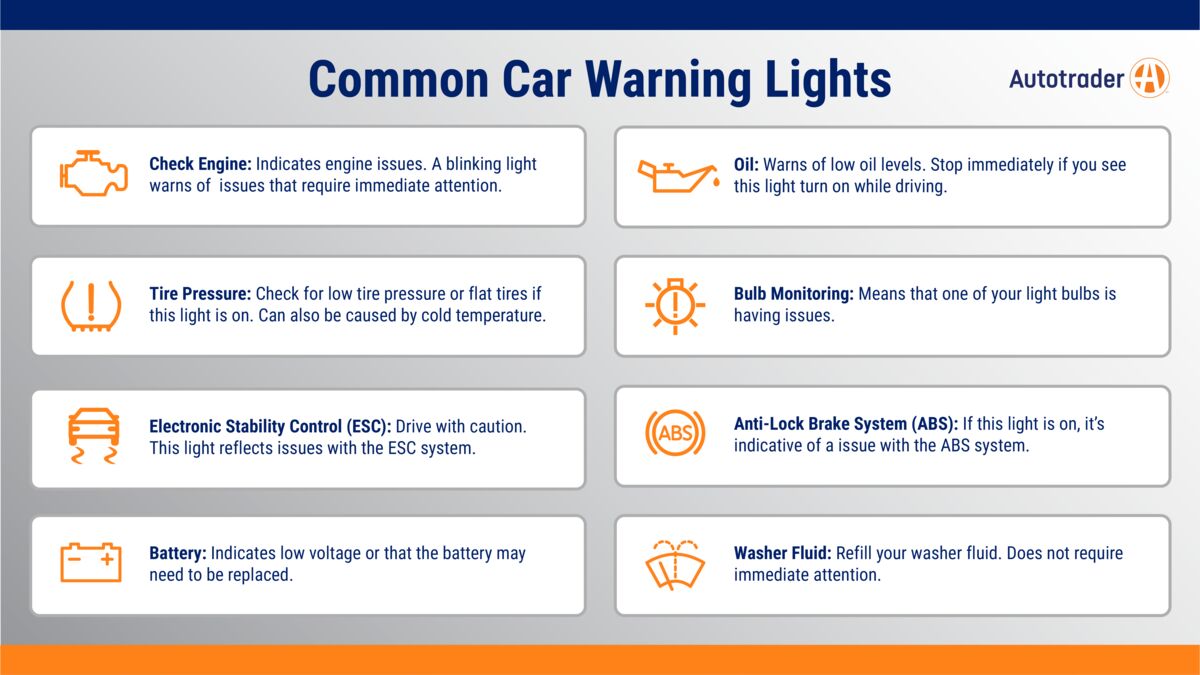
As cars become more complicated and incorporate more systems, the potential for a variety of warning lights to turn on increases. Today, cars have anywhere from 30 to 100 computers, and a warning light can indicate a range of issues. While some warning lights are easy to understand, others can look like hieroglyphs, even to the most experienced car enthusiasts. To help you out, here are some warning lights you may encounter and what they mean.
Check Engine
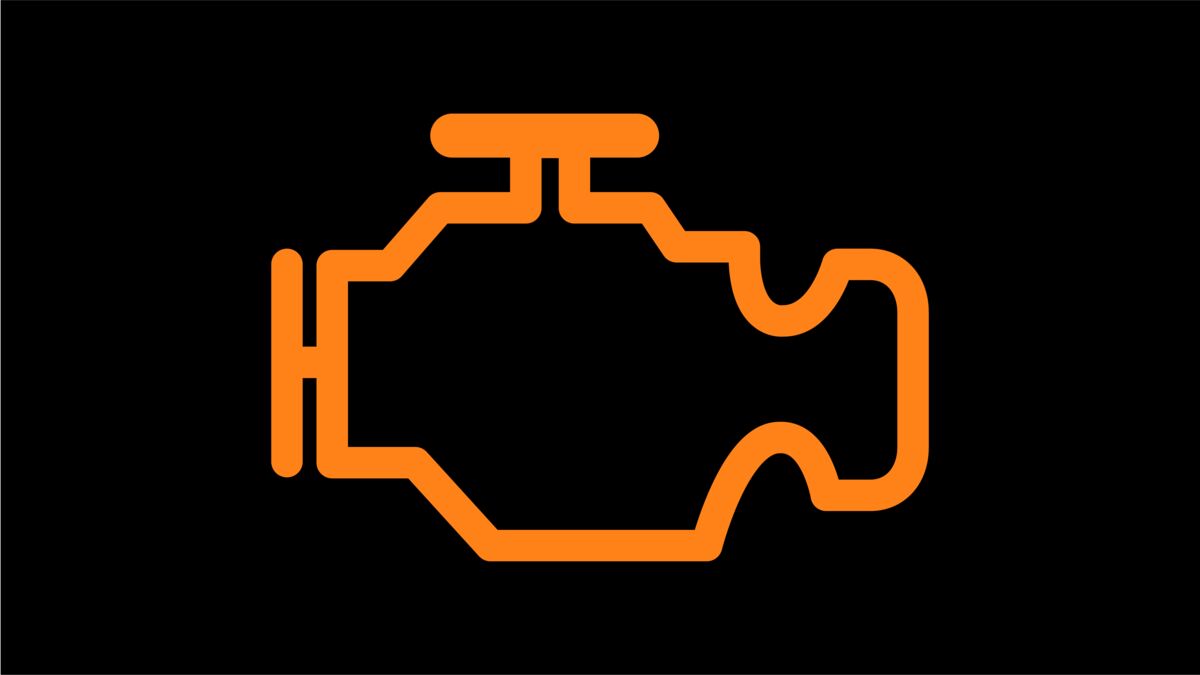
This is one of the most commonly known lights, and it indicates issues with your vehicle’s engine. While the light is on, have the code read at a local service shop to figure out what’s wrong. If the light is blinking, this indicates a much larger issue. A flashing light often means that the engine is misfiring, and fuel could be entering your catalytic converter, melting it. Stop your vehicle immediately and have it towed to avoid further damage and protect yourself. While it’s important not to ignore a check engine light, it’s worth noting that the warning isn’t always related to a catastrophic problem. In some cases, a check engine light could indicate something as simple as a loose gas cap.
Oil
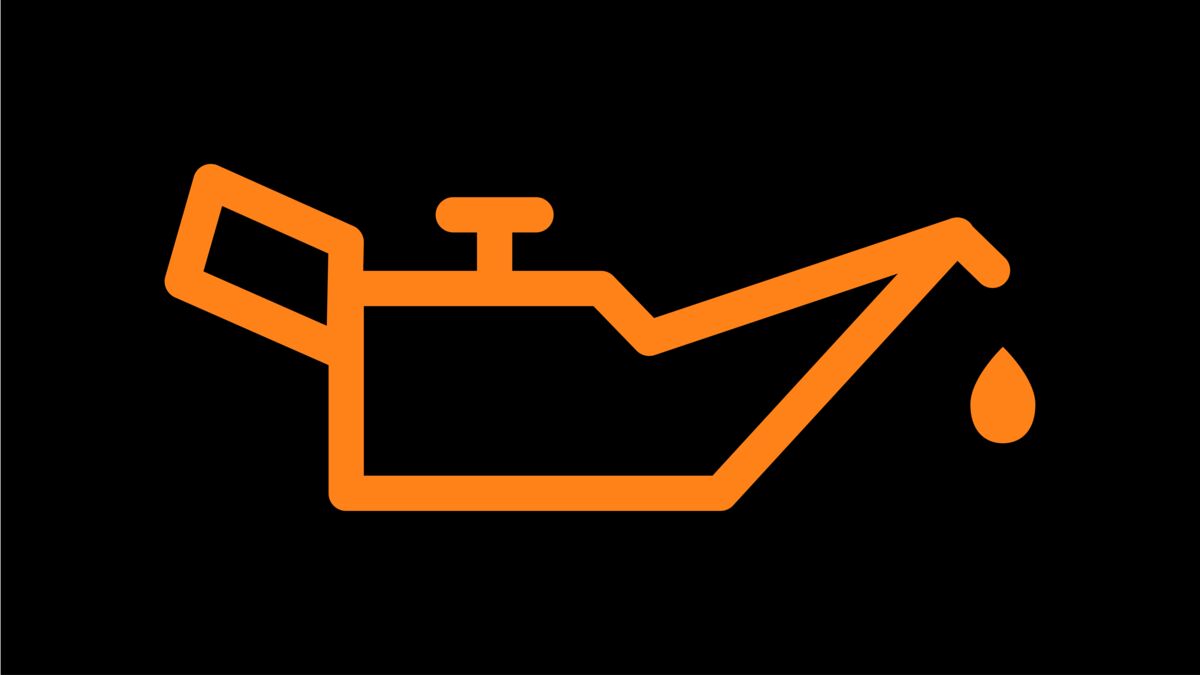
While this may look like a genie’s lamp, it’s actually a warning that your oil levels are low. If the lamp turns red, it means your oil pressure is low, which may indicate more serious problems than just low oil levels. If this light comes on while you are driving, stop immediately.
Tire Pressure
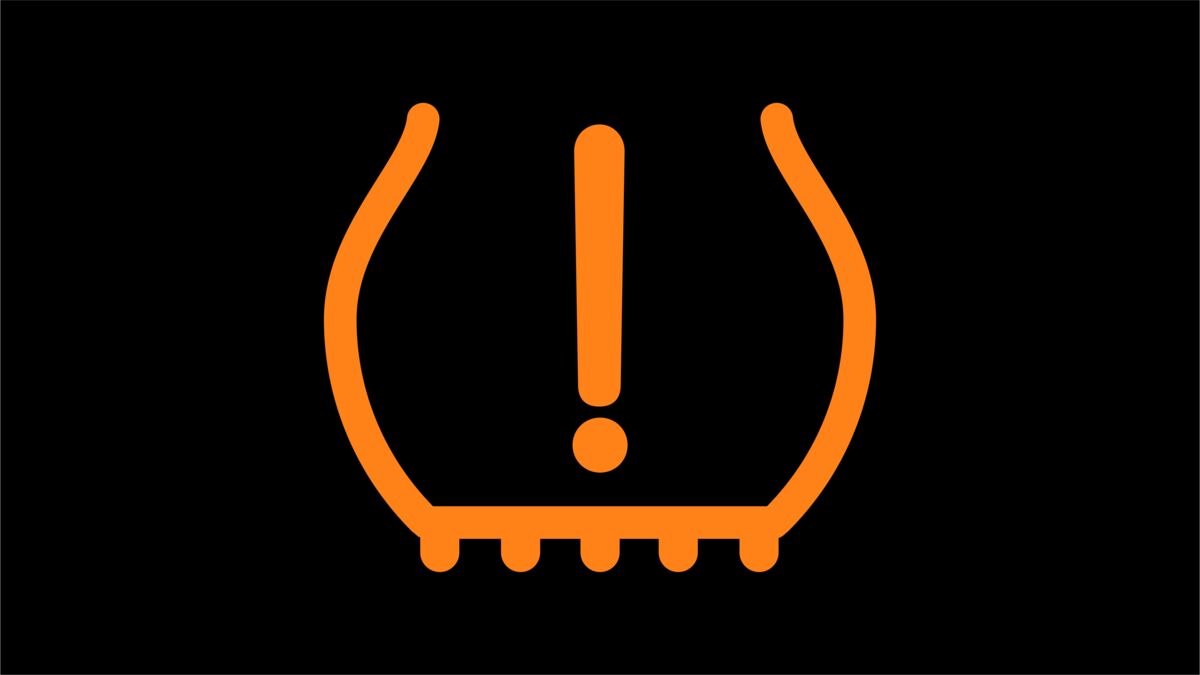
If you’ve been driving for a while, you’ve definitely seen this light. The tire pressure light is probably the most common and also the most ignored. This light indicates low tire pressure or a flat tire. Temperature changes can also cause this light to turn on, since air contracts in cooler weather. In less serious cases, your tire may have been punctured by a nail or other sharp object, causing it to leak air. At worst, it could mean your tire is completely flat, and you’ll need to stop driving. Always make sure your tires are properly inflated to avoid tire failure.
Bulb Monitoring
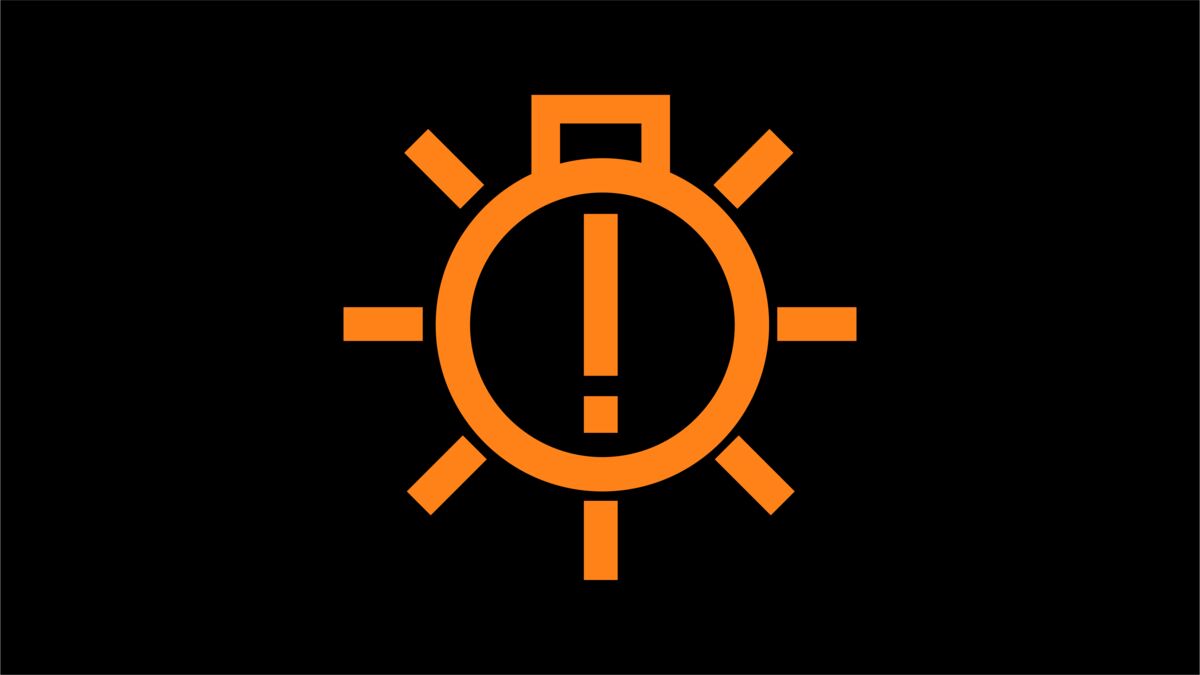
This light warns you of an issue with one of the light bulbs in your car. In most modern vehicles, this light will also tell you specifically which bulb is out on the information screen. If not, find a friend to walk around your vehicle while you turn the lights on to find the faulty bulb.
Electronic Stability Control (ESC)
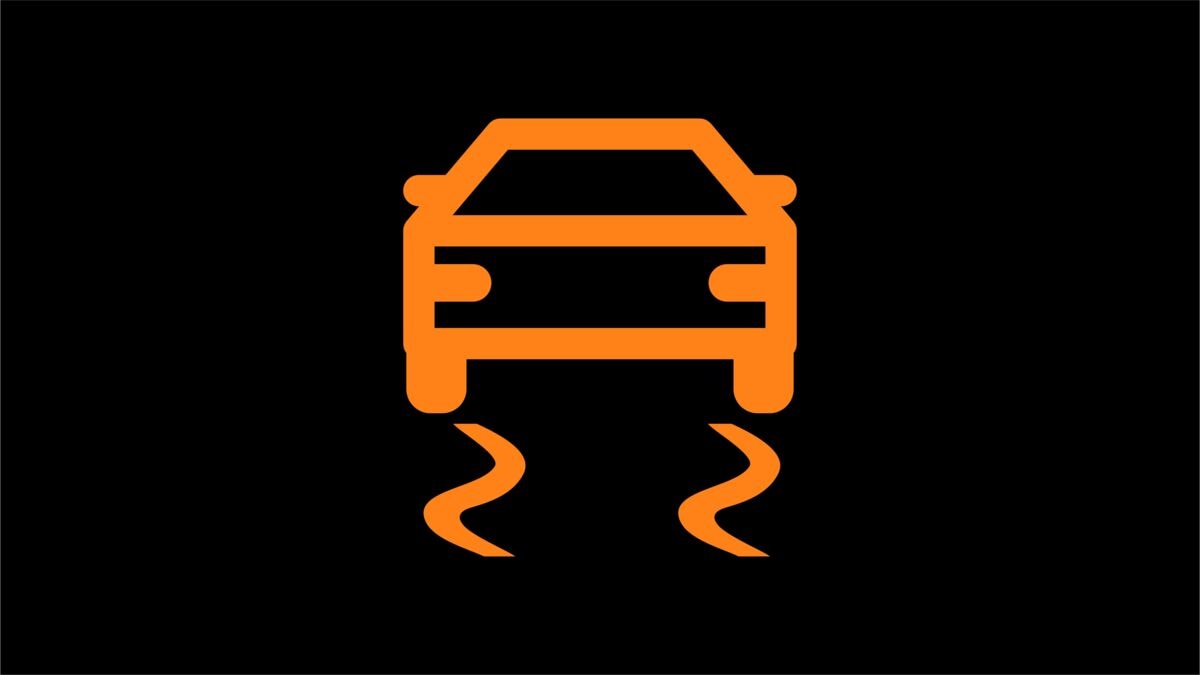
Electronic Stability Control (ESC) prevents your car from skidding by adjusting individual brakes and engine power when it senses a problem. An illuminated ESC light indicates that your car may be out of control, the system may be malfunctioning or deactivated, or slippery conditions may be affecting car control. The car is drivable if this light is on, but drive with caution and head straight to a mechanic as soon as you can. The light indicates that the safety feature is malfunctioning, so it’s best not to ignore it.
Anti-Lock Brake System (ABS)
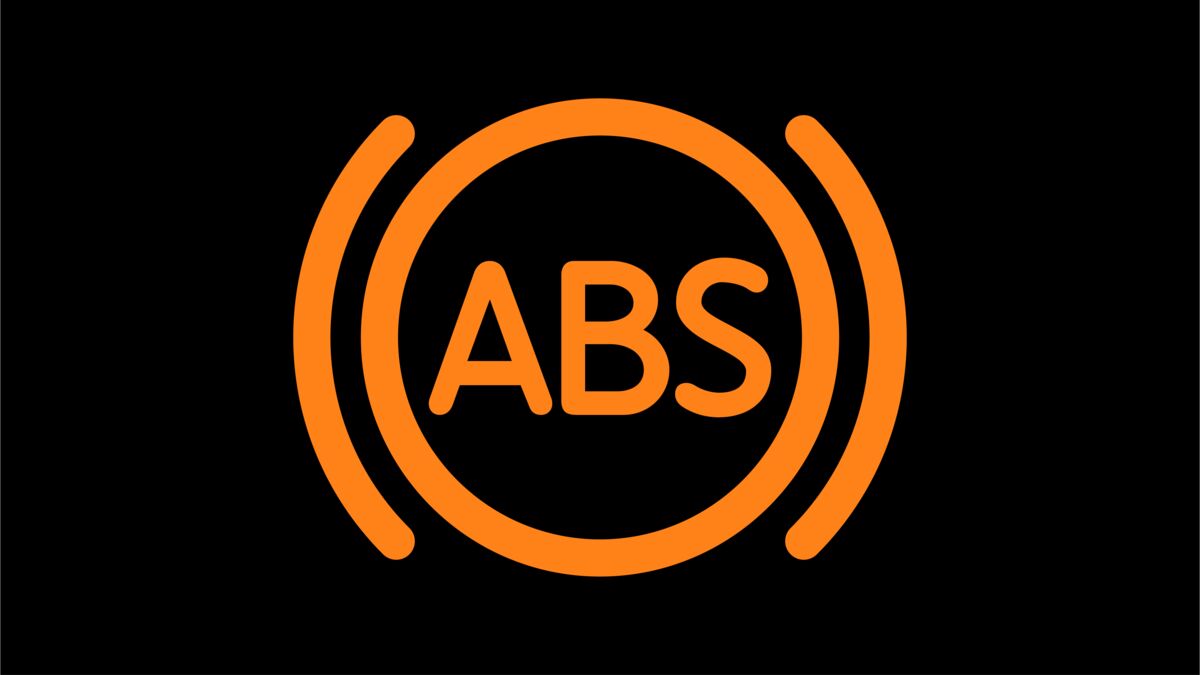
The Anti-Lock Braking System prevents the wheels from locking up during braking and serves as a safety feature. If this light is on, it means ABS is not working, and you should see a mechanic immediately. Malfunctioning ABS can increase braking distances or cause skidding, greatly increasing the risk of an accident.
Battery
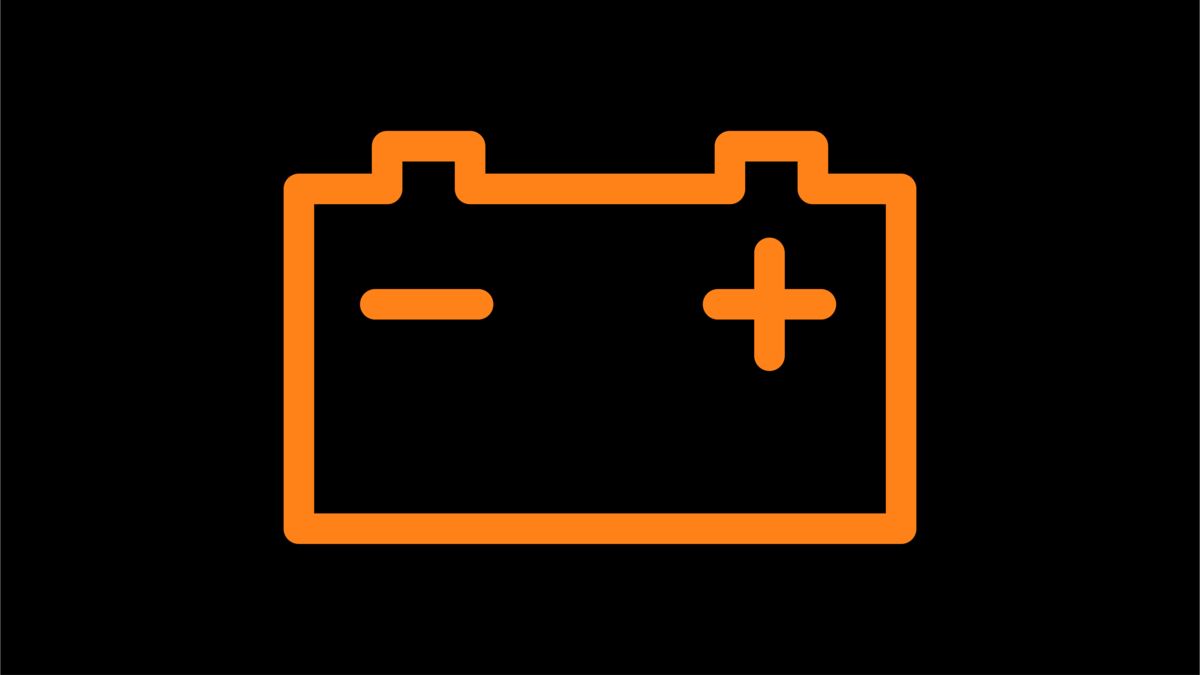
This light is a bit simpler. It simply indicates the state of your car’s battery. If this light is on, it means your voltage is either low or the battery may need to be replaced.
Washer Fluid

Out of all the warning lights, this one is relatively harmless, and you shouldn’t worry too much if you see it. It indicates low washer fluid, which means you should refill it when you can. Replacement fluid is inexpensive and can be purchased at an auto parts store or most retailers. Some service centers will even fill it at no charge.
Supplemental Restraint System (SRS)

The SRS light indicates an issue with your vehicle’s safety features, specifically, the supplemental restraint system. Your car’s airbags may not deploy during an accident, or your vehicle may be having issues with the seat belt pretensioner system.
Hood Open Warning
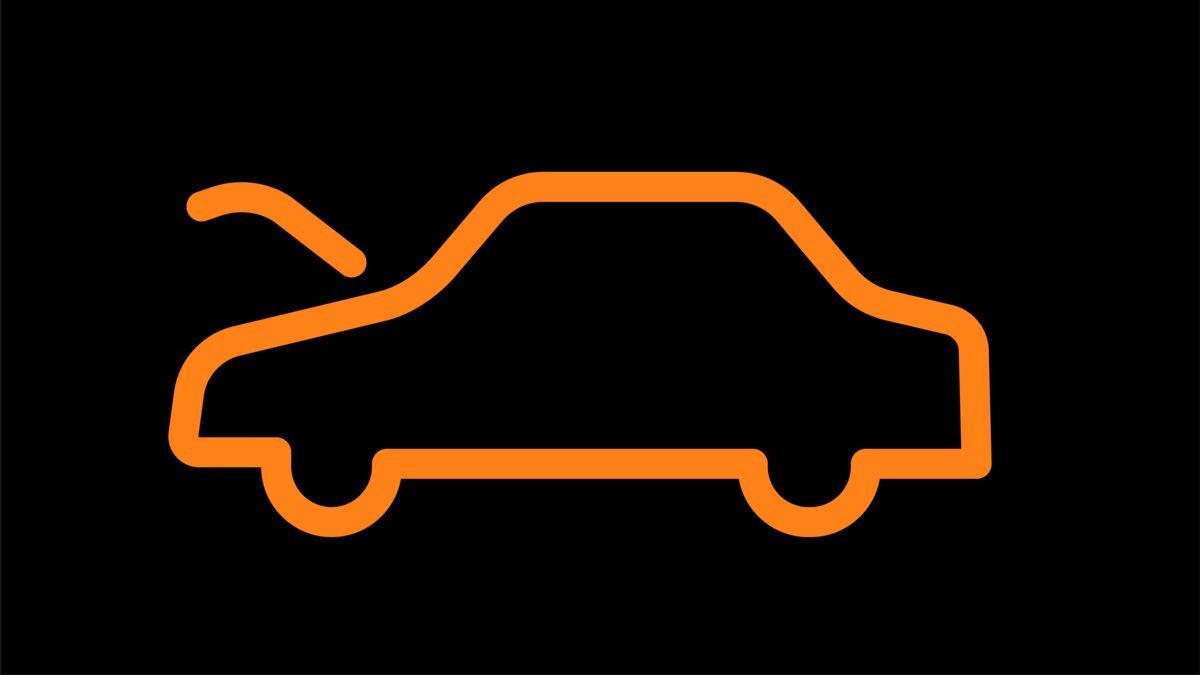
The hood open warning light indicates that your vehicle’s hood is not fully closed. This light may come on if the hood is unlatched, improperly secured, or if the hood latch sensor is malfunctioning. If you see this light while driving, pull over when it is safe to do so and make sure the hood is completely closed before continuing.
Electric Power Steering (EPS) System

Most modern cars have an electronic power steering system that assists drivers with turning and steering. This light turning on indicates a fault with the system. Underlying causes may include low fluid and broken pump components, amongst others. While it’s still possible to drive a vehicle with this light on, steering may become very difficult, so you should have your vehicle serviced as soon as possible.
Seat Belt Reminder
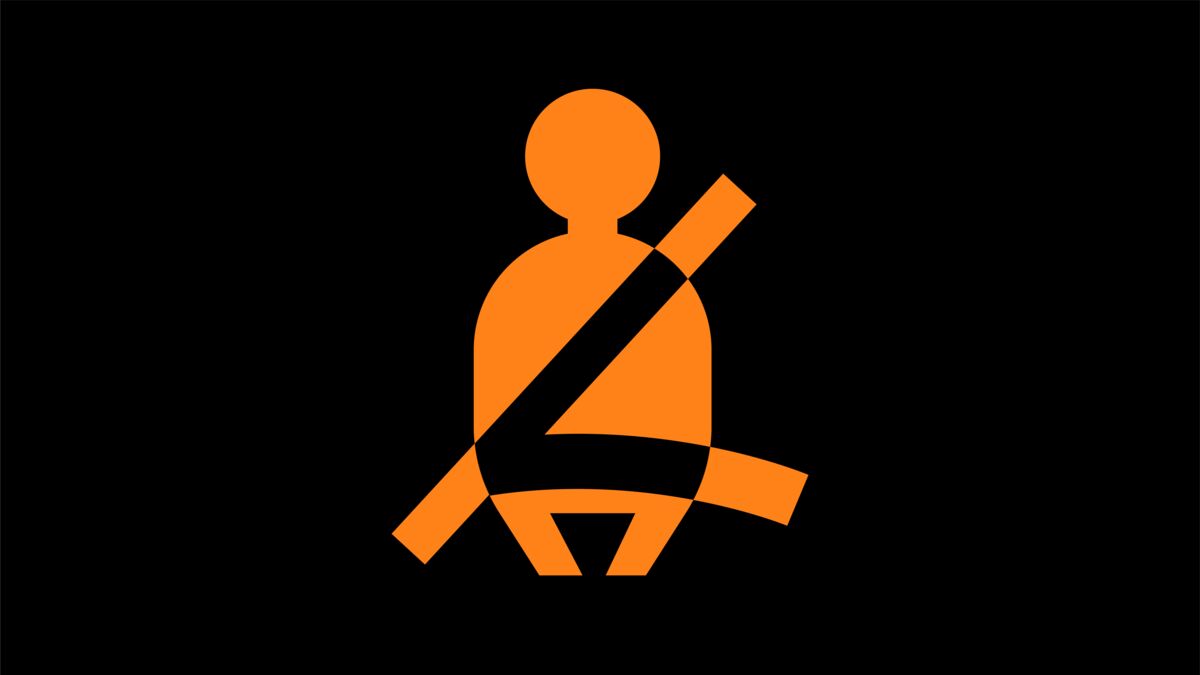
This light will turn on, often accompanied by a beeping noise, when your vehicle detects a driver or passenger without a seatbelt. It can also be activated by a heavy object on the seat, which can trigger the sensor.
Low Fuel
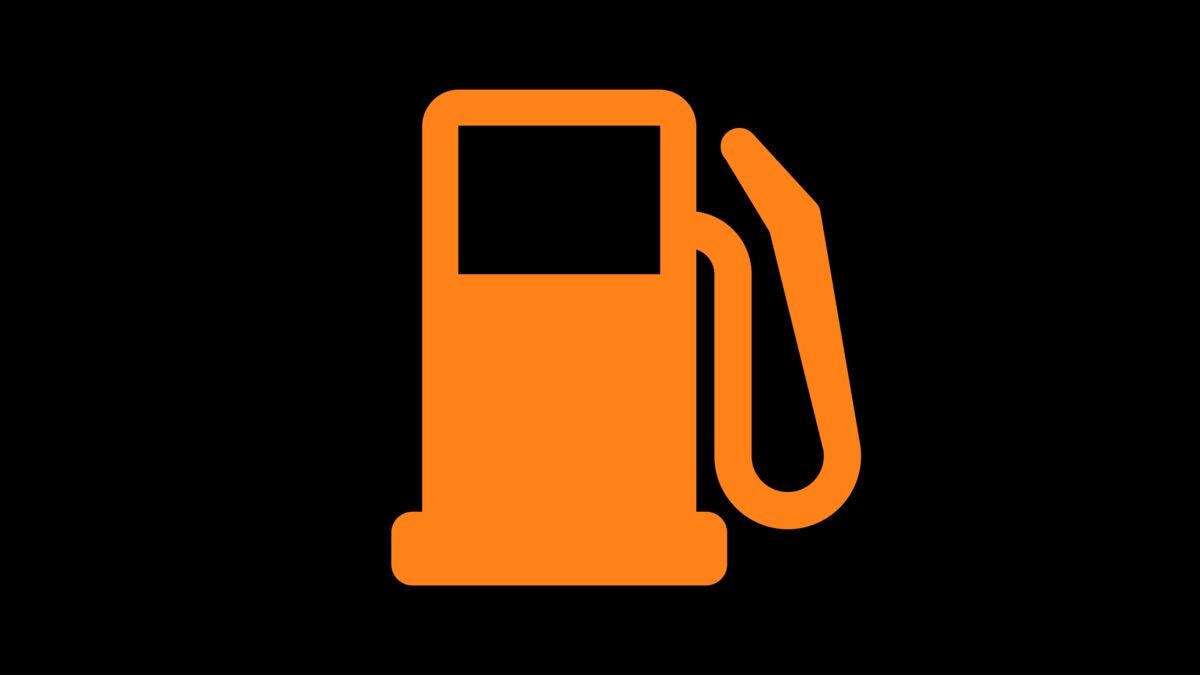
If you see this light turn on, know that your vehicle is running low on fuel. You should find the nearest gas station and refuel your vehicle.
Parking Brake
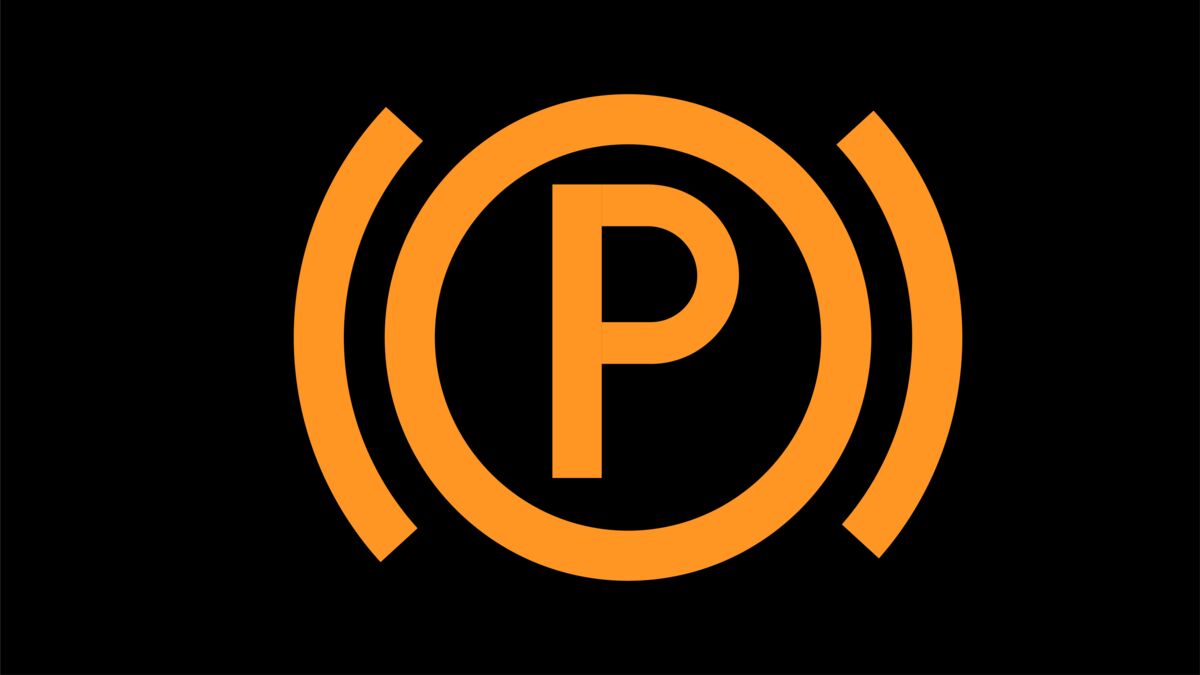
This light will come on when you’ve activated your parking brake. Make sure you disengage the brake before driving. If you haven’t turned it on, you may have a sensor malfunction or low brake fluid. In this case, you’ll want to have your car serviced.
Transmission Temperature
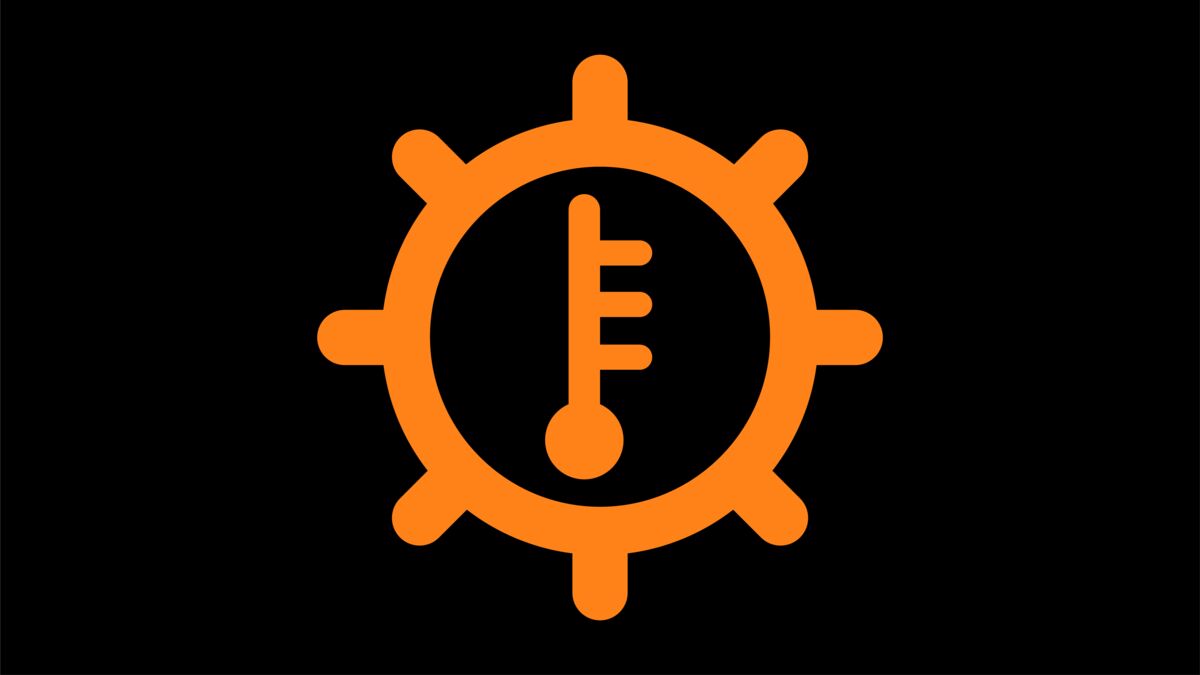
If you notice this light turn on, pull over and stop driving immediately. Not only is it unsafe, but continuing to drive will shorten your car’s lifespan. The transmission temperature light indicates exactly what it sounds like: excessive temperature in the transmission system. Issues such as low transmission fluid and internal transmission failure can cause this light to turn on.
While many warning lights indicate a serious problem, some are related to simple issues, such as a failed or failing sensor. Even so, don’t ignore the signs and take your car to a repair shop as soon as possible. If you know of any other lights that should be mentioned, please leave a comment. If your car has any of these dashboard lights on and you’re ready to move on, look for your new car here on Autotrader.
Editor’s Note: We have updated this article since its initial publication.


This listing would have been even more useful if the indicator lamps for Daytime Running Lights, headlights, fog lamps and Highbeams were included. There are too many people on the road these days that do not know what those mean and drive at night with either no headlamps, or just daytime running lights.
The only correction I would make, is the “battery” light. It does mean low voltage. But it means low voltage output from the alternator.
99 times out of 10…I likes them odds!