




Electric vehicles (EVs) require less overall routine maintenance than their gas-powered counterparts. Aside from common wear items like new tires, windshield wiper blades, and cabin filters, there really isn’t much maintenance to be done. Gone are the regular oil and filter changes necessary on diesel and gasoline cars. With proper care, EVs will keep humming along for quite some time.
This guide can help you get a long life and minimal degradation from your EV battery.
Having an EV Mindset
Adjusting to life as an EV owner means shifting your thinking about vehicle maintenance. EV batteries are much like those in your smartphone and other portable electronic devices. When smartphones and laptops were introduced to the masses, there were recommended practices to help extend battery life. People typically replace their phones every few years, but cars stay on the road much longer. Also, the cost of a new EV battery is far higher than the cost of the most expensive smartphone.
The Ins and Outs of EV Batteries

Batteries act as storage units capable of holding vast amounts of energy in multiple cells. They distribute energy as needed to the electric motor that propels the car and its climate control system. Modern battery packs are highly efficient.
Few technologies have evolved as quickly as the EV battery. That’s why today’s electric cars can offer hundreds of miles of range on a full charge, while many EVs from a decade ago offered roughly 75 to 100 miles.
Three Common Types of Charging
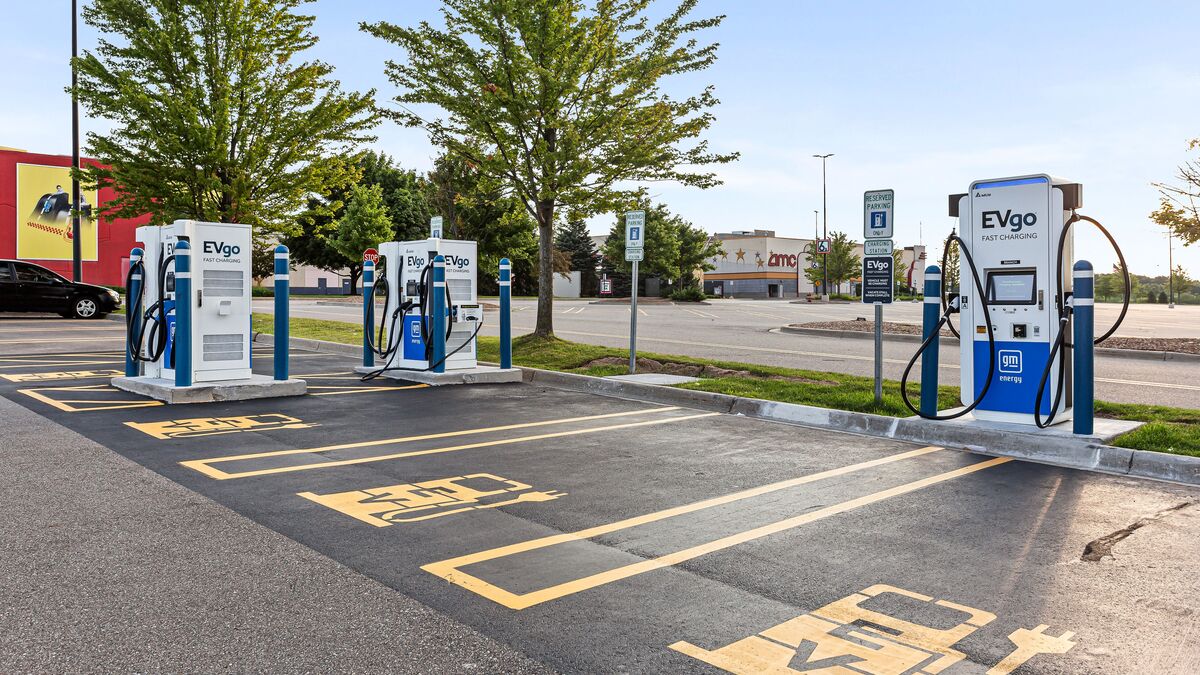
- Level 1: Uses a standard 120-volt household outlet and typically adds about 2 miles to 5 miles of range per hour.
- Level 2: Requires 240-volt service and is common at homes, workplaces, and public charging stations. It typically adds about 25 miles of range per hour, although rates vary by vehicle and charger.
- DC Fast Charging: Found at public charging stations, these high-powered chargers can add roughly 100 miles to 200 miles or more of range in about 30 minutes.
Using Level 1 charging overnight can add around 40 miles of range during an eight-hour charge. Installing a Level 2 charger at home may be worth the expense if you drive a lot but consider the installation costs and additional monthly electricity usage as well. DC Fast Chargers use power not typically supplied to residential homes.
Another positive for your battery is regenerative braking, which recaptures some of the vehicle’s kinetic energy while slowing and sends that energy back to the battery.
Maintaining Optimal Battery Health
As EV batteries continue to evolve, so do their recommended charging routines. For everyday use, many automakers recommend avoiding leaving the battery at extremely high or low states of charge for extended periods. Some owners use a roughly 20% to 80% range for routine driving, but recommendations vary by vehicle and battery chemistry. Follow the guidance in your owner’s manual, and use the EV’s charge-limit feature if recommended. In most cases, remember that a “full tank” or 100% charge, is not the goal. Aiming for 20% to 80% helps prevent stress on the cells.
If your EV will sit for an extended period, follow the manufacturer’s recommendations for its state of charge. Leaving the battery extremely low for too long can potentially damage it.
Use fast charging strategically when possible. According to a 2025 study conducted by GeoTab, more than 22,700 EVs showed an average battery degradation rate of 2.3% per year. The study also found that frequent DC fast charging was associated with faster degradation. While all batteries will eventually lose some capacity, the outlook for EV batteries is encouraging. Modern EV batteries are generally expected to last well over a decade, although battery life varies by vehicle and use. Of course, this depends on many factors, including the climate you live in. Extreme heat and cold can affect the battery pack. If you are able, park your EV in a garage or in the shade during the summer months.
RELATED STORY: How Long Do Electric Car Batteries Last?
Warranties
Most EV manufacturers offer battery warranties of at least eight years or 100,000 miles, although terms vary by automaker. Some offer longer coverage. Beginning with the 2026 model year, California regulations require qualifying EV battery warranties to cover at least eight years or 100,000 miles and protect against capacity dropping below 70%. Other states that adopt California’s emissions rules may have similar requirements.
Each warranty also differs in how the automaker defines “battery failure.” Typically, batteries must degrade beyond a certain point for the automaker to warrant a repair or replacement.
Replacement Cost
You may be able to change the 12-volt battery on a gas-powered vehicle yourself, but replacing an EV’s high-voltage traction battery is another matter. EV battery packs are part of a high-voltage system and can weigh 1,000 pounds or more. This is not generally a do-it-yourself repair.
A complete EV battery replacement can cost thousands or even tens of thousands of dollars, depending on the vehicle, battery size, parts availability, and labor.
A refurbished EV battery pack may cost less than a new unit, if a refurbished or remanufactured pack is available for that vehicle.
See Electric Car Models for Sale
Editor’s Note: We have updated this article since its initial publication.


