



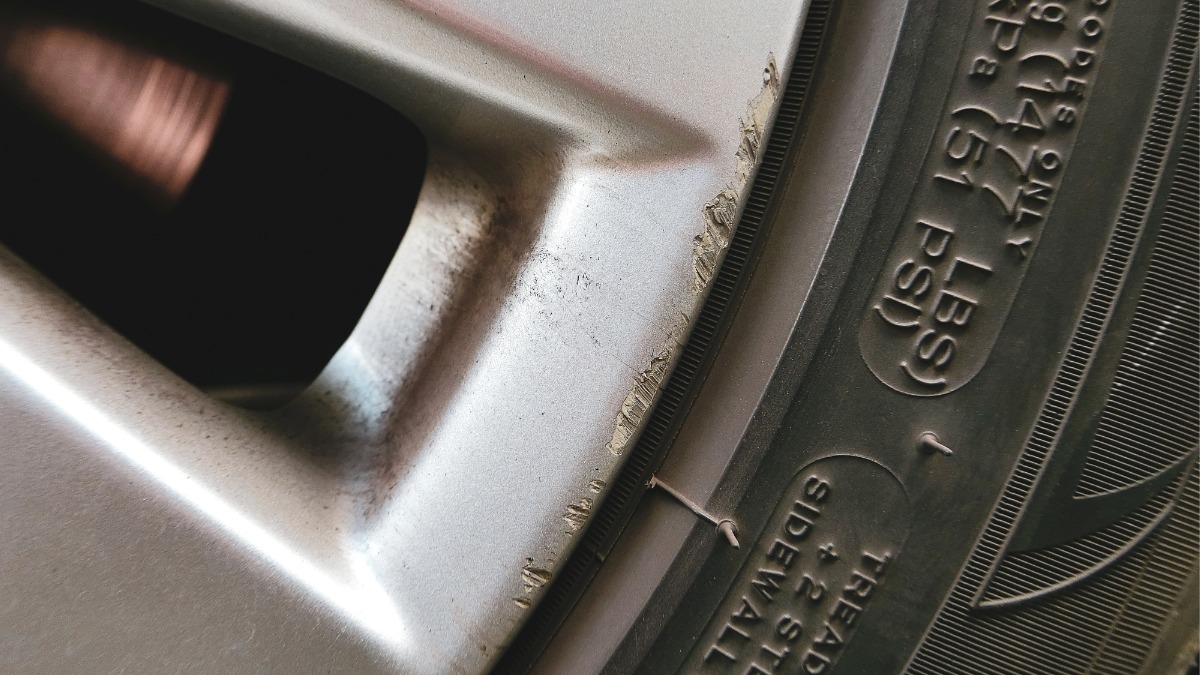
Quick Facts About Curb Rash
- When selling a car, repairing curb rash can often increase its perceived value.
- If you are trading in the car, repairing curb rash may not increase value.
- Curb rash damage could be a sign of bigger problems.
Deciding whether to fix curb rash often depends on how you plan to sell your vehicle and how noticeable the damage is. In a private party sale, it may be worth repairing the damage to improve the first impression. Trade-in situations may not have the same results since dealers often handle wheel repairs themselves. If the impact feels severe, it may be worth checking for mechanical issues before focusing on the cosmetics.
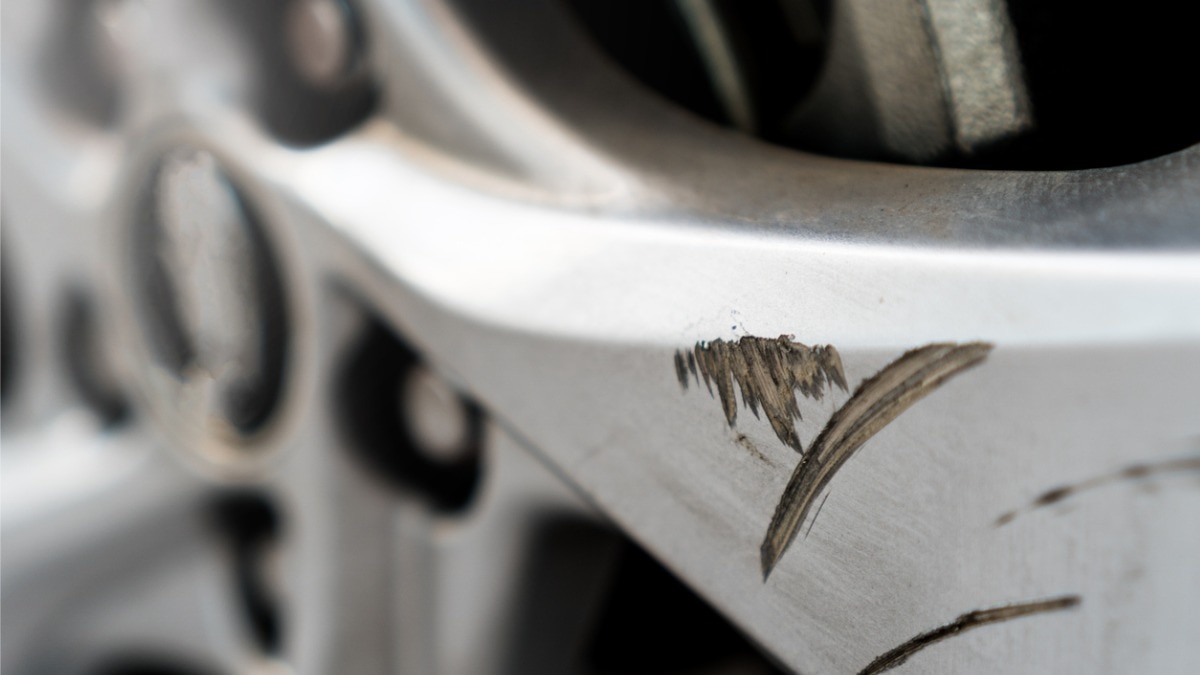
What is Curb Rash?
Curb rash refers to scuff marks, scratches, and gouges that appear on a wheel after it makes contact with a curb or another hard surface. It’s a common cosmetic issue and can vary from surface marks to more serious damage. Curbed wheels are easy to spot, so unsightly scrapes can make a vehicle appear less well cared for to potential buyers.
Should You Fix Curbed Wheels?
Yes — usually. If you’re selling your car, fixing curb rash is often a financially smart, low-drama way to make the vehicle look more valuable.
Why It’s Worth Doing
- It boosts perceived value. Small appearance upgrades (touch-up paint, a fresher-smelling interior, cleaner wheels) can make buyers feel the car was cared for—and curb-rash-free wheels help.
- It can be affordable. Light scuffs may improve with careful sanding and polish. More serious rash is best left to a pro; many shops can restore a typical alloy wheel for under $200, while chrome or painted wheels often cost at least double.
When Not To Fix It
- Low-value car: Check the car’s value before you spend money. If it’s low (for example, under $8,000), the repair may not pay back.
- Inexpensive wheel: Replacement can sometimes cost the same as (or less than) repair—especially with smaller or entry-level wheels.
- Expensive wheel: Complex, high-end wheels can get pricey fast. Get an estimate, then weigh the cost against any likely value bump.
- Trading in: If you’re trading the car, fixing curb rash may not change the offer much—dealers often repair wheels cheaply through their own vendors.
How Curb Rash Can Affect Selling
Some owners choose to repair curb rash because cosmetic improvements can help a vehicle photograph better and look more polished in person. In dealer sales, the impact may be less, as many dealerships already work with wheel repair vendors. This means cosmetic wheel damage doesn’t always significantly change the offer. Ultimately, the decision often comes down to balancing repair cost with potential presentation benefits.
When Curb Rash May Be More Than Cosmetic
When curb rash may be more than cosmetic
Most curb rash is cosmetic, but harder impacts can sometimes point to tire, wheel, or alignment concerns.
Steering feels off
A pull or off-center steering wheel may suggest alignment changes after impact.
Vibration at speed
Vibration can sometimes indicate wheel balance or structural issues.
Tire sidewall damage
Inspect bubbles or cuts in the tire sidewall before making cosmetic repairs.
Uneven tire wear
Uneven wear patterns may indicate alignment or suspension concerns.
Editor’s Note: We have updated this article since its initial publication.


