


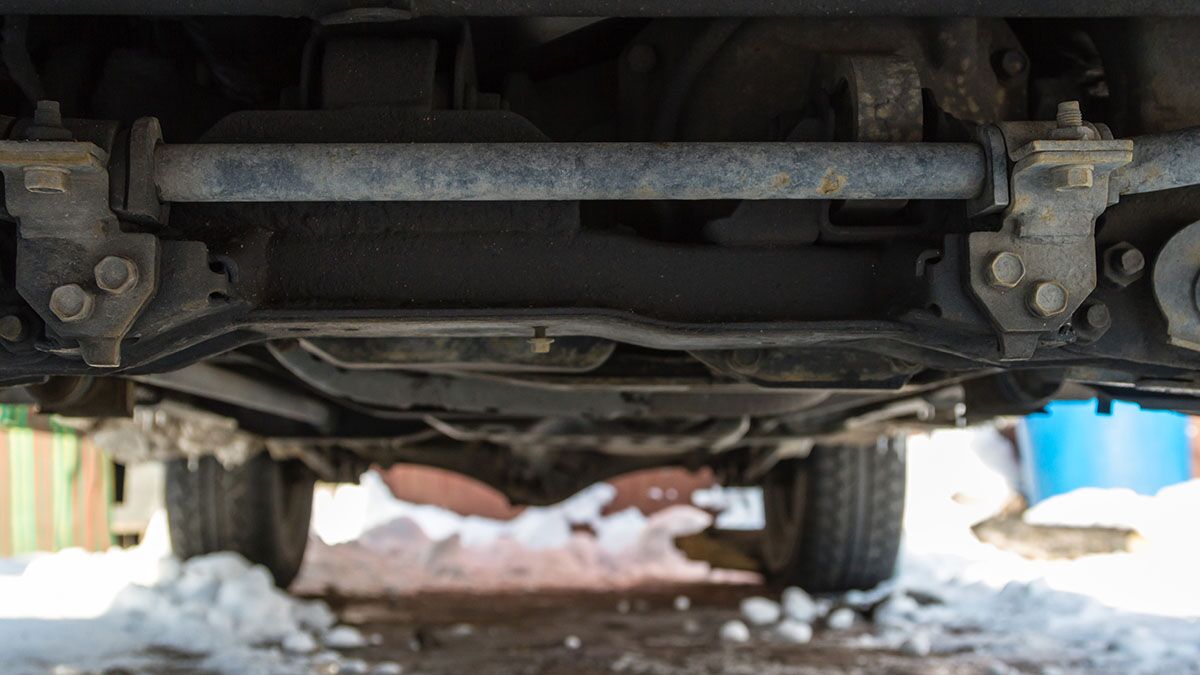
Rust can be easy to miss, but it’s expensive — and potentially dangerous — if it spreads underneath the vehicle. Before buying a used car, take a few minutes to look in the right places.
What Is Rust and Why Does It Matter?
Rust is corrosion on metal. Minor surface rust is unsightly. However, severe corrosion can weaken a car’s structure and damage components such as suspension, exhaust systems, and body panels. Severe rust often means costly repairs or a car that is unsafe to drive.
Which Cars Are More Likely to Have Rust?
Any car can rust, but the risk is higher if it has spent time in:
- Humid climates
- Snowy regions that use road salt, which is common in the Upper Midwest and Northeast
Even if you live in a dry area, a used car may have been owned elsewhere — so always check.
Where to Look for Rust
1) Start underneath
Rust usually begins on the underside. If possible, have a mechanic put the car on a lift so you can inspect it properly.
Check:
- Frame rails (under the doors on both sides)
- Wheel wells
- Suspension parts
- Exhaust
- Exposed Metal/steel components
2) Check common hidden spots
- Trunk: lift the carpet and look for rust
- Doors: inspect inside edges and seams
- Windshield/rear glass edges: look around the trim and corners
3) Watch for paint bubbling
Bubbling or blistering paint can indicate that rust is forming beneath the surface. If you see it, inspect the underside carefully before buying.
What If You Find Rust?
Small surface rust can often be managed with sanding and treatments before it spreads.
Widespread or structural rust is a serious red flag and may not be worth the cost.
Editor’s Note: We have updated this article since its initial publication.


