



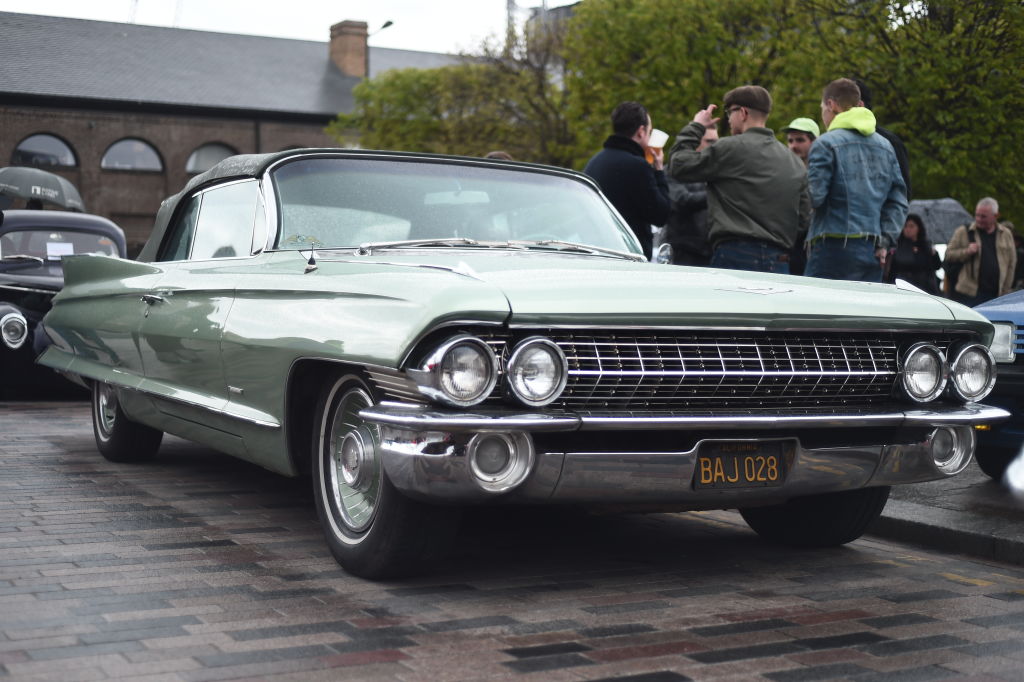
Quick Facts About Buying and Owning Classic Cars
- Classic cars are typically 20 years old or older, but not every 20-year-old vehicle is a classic car.
- The overall condition of a classic car is often more important than the miles on its odometer.
- Paying a knowledgeable mechanic for a pre-purchase inspection is critical when buying a classic car.
What Is a Classic Car?
A classic car is typically 20–30 years old, depending on your state’s rules for classic or antique plates. These plates may reduce renewal requirements and, in some cases, exempt the vehicle from emissions testing. But age alone doesn’t make a car a classic for everyone. With the average car now nearly 13 years old, many everyday vehicles are already halfway there by some states’ standards. Occasional‑use classic cars may qualify for discounted insurance through major carriers or specialty providers, though insurers and clubs often apply additional criteria beyond age. In the end, “classic” is partly personal, whether it’s a pristine 1987 Camaro IROC‑Z, a low‑mile 1995 BMW M3, or a rugged 1983 Ford Bronco.
How Old Is a Classic Car?
Many people casually call any 20-year-old car a “classic,” but the definition varies. Auto clubs, insurers, and state DMVs often use different age thresholds when classifying a vehicle as classic.
Differences Between Classic, Antique, and Vintage Cars
Although enthusiasts often use these terms interchangeably, states and car clubs may define them differently — especially when issuing specialty license plates.
Some organizations require a vehicle to be 45 years old to qualify as “antique,” while “vintage” typically refers to the earliest automobiles.
How to Buy a Classic Car
Buying a classic car takes research and patience. Still, it can be incredibly rewarding, whether you’re shopping privately or through a specialty dealership.
- Occasional or regular driving
- Tinkering or full restoration
- Investment potential
What to Avoid Before Buying a Classic Car
1. Not Checking the VIN
The 17‑digit Vehicle Identification Number (VIN) reveals key details about a car. Any 1981‑and-newer U.S. vehicle uses this standardized VIN, which you can enter into AutoCheck, Carfax, or the National Insurance Crime Bureau database to check history and confirm it’s not stolen.
Always make sure the VIN on the title matches the VIN stamped or labeled on the vehicle.
A VIN can also reveal model‑specific details like trim, engine, or drivetrain. If the VIN says a Jeep Cherokee was built as 2‑wheel drive, but the one you’re looking at has 4‑wheel drive, you know it was converted. If a Ford Mustang’s vehicle identification number (VIN) indicates a V6 but there’s a V8 under the hood, the engine was swapped.
2. Not Taking it to a Mechanic
This one is so important that we’ve mentioned it twice! Even if you consider yourself handy in the garage, a professional mechanic’s second opinion will be worthwhile.
3. Not Examining the Car Thoroughly
Take a good, long look at the car under different lighting conditions. Look for a consistent paint finish and hue, which may indicate a respray at some point.
Drive the car on different types of roads, listening closely for any unusual or unexpected sounds from under the hood or from the suspension.
In the end, you should trust your gut. You may want to keep shopping if something about the car seems amiss.
4. Not Checking the Title
As mentioned above, double-check the title to ensure the VIN matches the vehicle and that the person listed on the vehicle title is the one actually selling the car.
RELATED STORIES: What is a Rebuilt Title?
Depending on how often you drive a classic car, insurance can be surprisingly affordable. Major insurers often offer discounts for limited use, and specialty carriers for antique and historic vehicles provide low rates for cars driven only on occasional nice days.
Classic cars are simpler than modern vehicles, but their age means you can’t expect new‑car reliability. You may need a mechanic familiar with older models, since many pre‑1996 cars use different diagnostic tools.
Proper storage is essential—ideally indoors and connected to a battery tender. Fortunately, tenders are inexpensive and easy to use.
Is a Classic Car Right for You?
Whether you’re buying a classic car as an investment or to fulfill a passion, there is a lot to consider.
Fear not! There’s a lot to learn about classic cars, but there’s a reason this hobby remains hugely popular. Old cars are fun and full of personality, and ownership feels like an invitation to an exclusive club.
Budget accordingly — both in terms of cost and patience — and you can find a classic car that suits your needs and desires.
Editor’s Note: We have updated this article since its initial publication. Doug Demuro contributed to the report.


i truly believe that you should not judge a book by its cover in reference to buying a classic car go thru it thoroughly you will be glad you did.
Good information. Add this: Once you feel your restoration is good, take it to another mechanic. Tell him/her this…..I want you to go over my car in detail. Make efforts to find things that may break soon and fix them. I gave my tech a $100 tip in addition to the shop hours. Now I have a good mechanic that I see every 6 months, and made a friend. This is just preventative maintenance. Jim. 1972 Chevy C10 2wd Long Bed
Well Auto trader Classics is useless now if your looking for a Plymouth Duster, they took out Duster from the model list.
Loved your article. It was very helpful for me .It helped me alot while buying a Car.Wish to see more article in coming days.
Hi Car Hamro, Glad you enjoyed the article. Please visit https://www.autotrader.com/car-news if you want to search or read our latest articles.
You Gotta Drive Them Or They Go To Hell Quickly , The Mice Have A Field Day With Them if left In Storage and that Can Be One Heck Of A Mess !
Take heart in the article above. I’ve owned classics for over 30 years usually 2 at a time and the upkeep is more than you ever estimate. You need to drive them at least monthly and keep a log. It will surprise you how long you will go without driving them after the initial “boat like thrill” goes away and not operating is usually the death of these cars. I’ve never looked at a restored classic for sale that was “over-used”. Generally, they live a sort-of mothballed life and everything starts to breakdown and break apart simply from lack of exercise. I let me kids drive them around the area at least one time a month to get their exercise. On the other end, selling them is another headache. The tirekickers fall out of the trees and no one wants to pay what you think you should receive. I’ve been in the business too and it’s not what it is cracked up to be. Most “classic dealers” are best left alone and you’re much better off from an individual. The appreciating values are a bit more of a propaganda story so juts ask others how they did when they sold their cars. Don’t forget, the audience for classic cars is getting smaller and smaller and is expected to accelerate so I’d advice against these cars (regardless of make/model) as investments. My 2 cents form over 30 years experience.
You’ll have more fun and less risk with a 10 year old low mileage manual transmission sports car in the end.
Great answer, SIr. Still, My ‘vette, caddy, and SL190 are unlikely to be sold any time soon and I still love driving these cars.
That’s why we call it a classic, and not plastic like the cars today, It’s American Steel at it’s best and the memories they bring back. Is your plastic KIA going to fetch a 100k like a 68 Camaro?
Avoid masterpiece Vintage cars aka: classic cars from Whiteland Indiana. The owners are dishonest and sell classic vehicles with bondo and spray foam on the underside with paint over it
Have a Pantera and Delorean. Either you have deep pockets and have someone to throw money at to keep em running or you learn to do 3/4 yourself. Even with online help, clubs etc, you must learn cause relying on friends, weekend mechs will test the closest of relationships. When running great it is the best decision you ever made and when not it is the worst decision you ever made.
Reliability is also a consideration. Rarely can one just hop in a classic car and drive away. Or expect to get to the destination without an unexpected ‘situation.’
I think classic cars are one of the only cars worth getting attached to because that model car you want is never coming back.