



Buying a Hybrid Quick Facts
- A hybrid’s superior fuel efficiency comes from using its electric motor at slower speeds before its gas engine takes over.
- Hybrids have reliability on par with gasoline-powered cars.
- Hybrid cars have been around for about two decades, so the tech is tried and tested.
Car shopping is more complex than it used to be. Shoppers must decide more than just what price they’re comfortable paying and what features they want. Today’s buyers also need to determine what energy source they prefer to fuel their cars. More Americans than ever choose to drive hybrid cars.
Conventional hybrids captured about 12.5% of new-vehicle sales in the first three quarters of 2025, up by 4% from two years ago. With their tried-and-true technology, hybrid vehicles continue to outsell all-electric models, giving drivers better fuel economy without charging concerns. So, it begs the question: Is 2026 the right time for you to buy a hybrid vehicle? We’ll help you sort through the pros and cons.
Definitions: Hybrids and Plug-in Hybrids
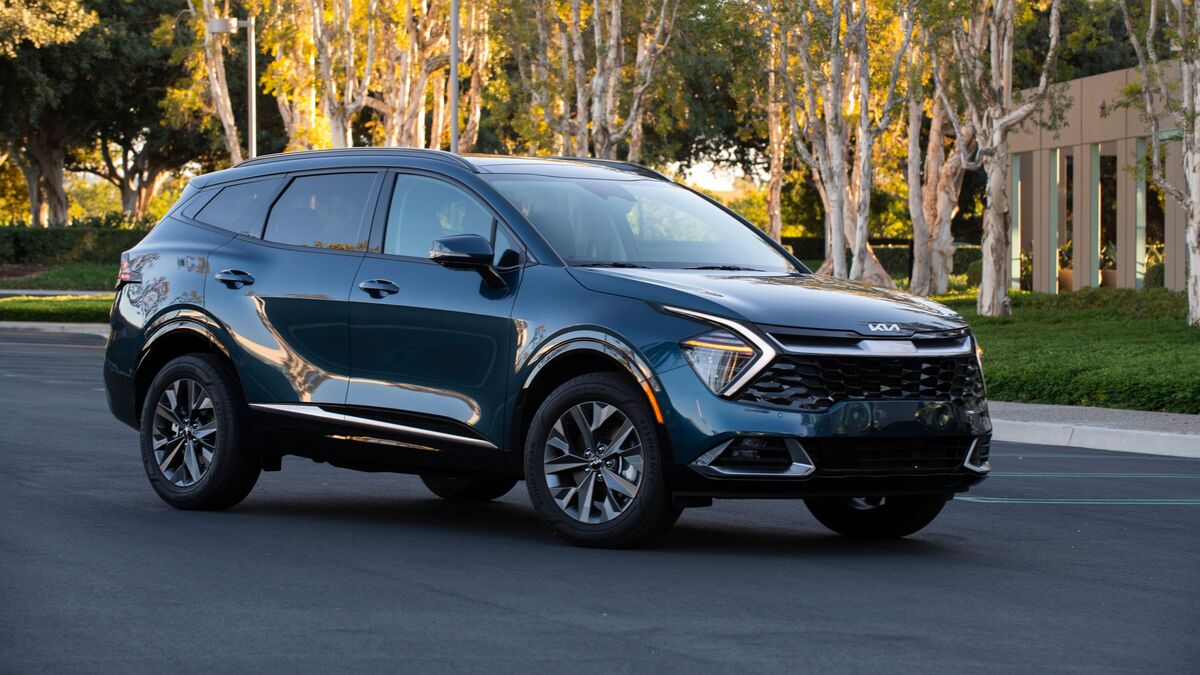
Most cars use a gasoline-powered engine to move their wheels. Electric vehicles (EVs) use electric motors. Hybrids use both.
| Traditional Hybrid aka, hybrid electric vehicles (HEVs) | Plug-in hybrid electric vehicles (PHEVs) |
| A traditional hybrid vehicle uses its electric motor to get up to a certain speed, above which the gasoline engine takes over. This setup gives hybrids better gas mileage than their gasoline-only equivalents. They recharge their small batteries by capturing some energy from braking. | PHEVs also use a gasoline engine and an electric motor. But thanks to a larger battery, they can travel at highway speeds on electric power alone. Their gasoline engines kick on only after a certain distance, usually after 20 to 30 miles of electric motor use. They recapture some energy from regenerative braking. But they can also be plugged in to charge. |
PHEVs cost more than hybrids and gas-powered vehicles. However, they neatly bridge the gap between gasoline-powered cars and EVs. Many Americans drive fewer than 25 miles a day, so they could use a plug-in hybrid to complete their daily commute and errands, essentially treating it like an electric car. Still, they’d have the option of using gasoline for a longer trip anytime.
Reasons to Buy a Hybrid Now
1. The Tech Is Tested
Most of us don’t shop for vehicles very often, and the average car on American roads is almost 13 years old. So, it’s easy to understand that many shoppers see hybrids as new technology. It’s also easy to lose track of what the auto industry has done in the time you haven’t needed to pay attention to it.
The first hybrids appeared on the American market in 2000. Hybrid propulsion technology is nearly a quarter of a century old. Almost every manufacturer offers at least one model. The hybrids you’ll find on lots today are mostly fourth- and fifth-generation technologies. They’re easily as reliable as gasoline-powered cars.
2. The Selection Is Fantastic
Whether you’re looking for a vehicle that can hold your whole family and the pets as well, or something a little more compact and sporty, the range of options is wide.
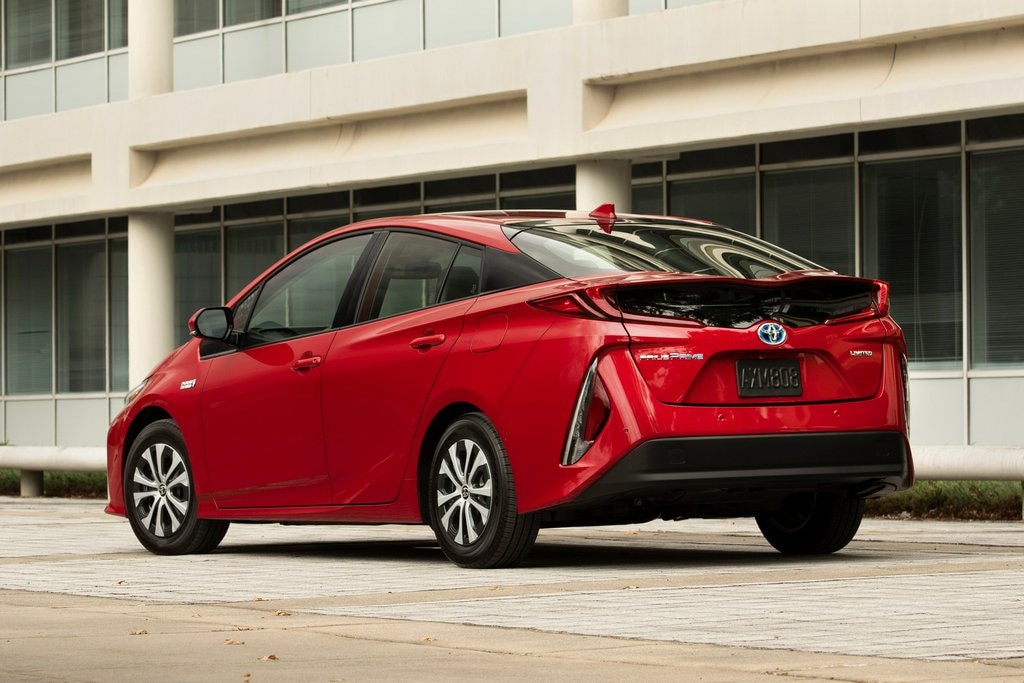 | 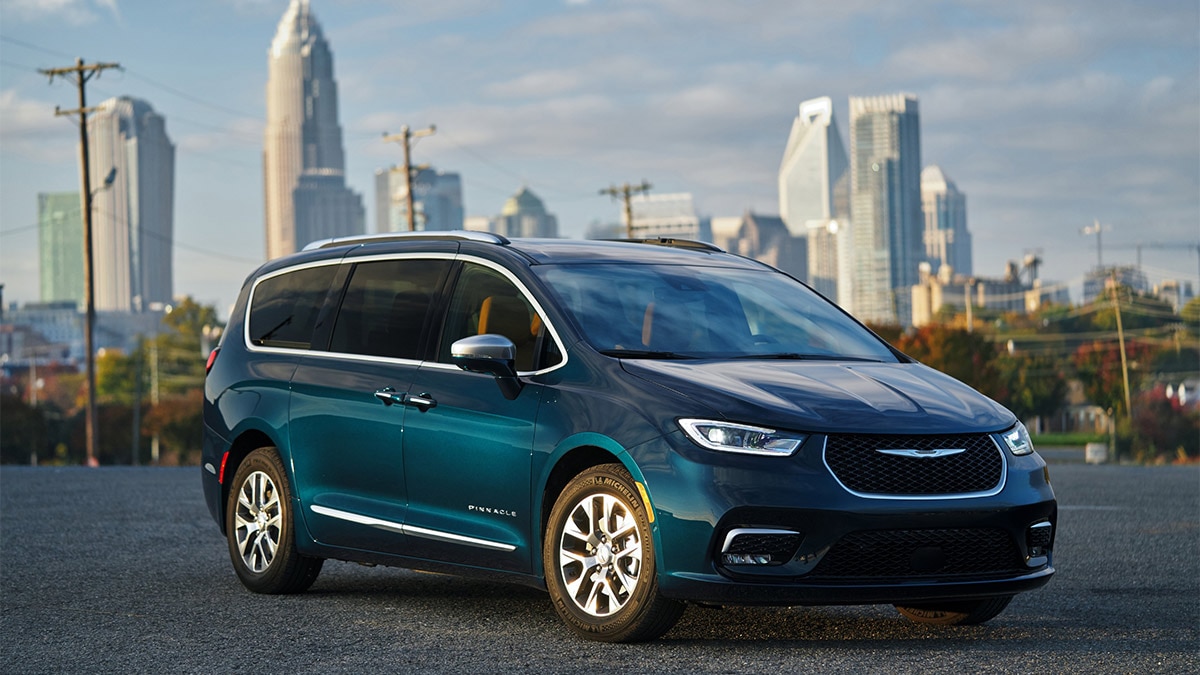 | 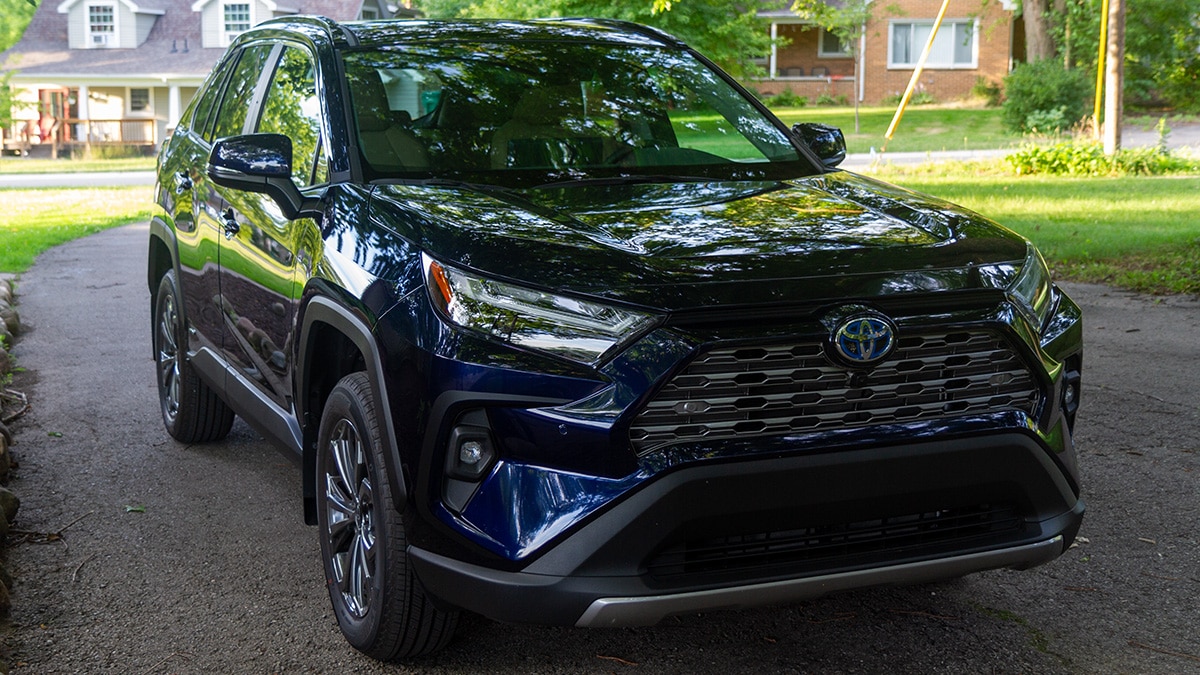 |  |
| Midsize Family Vehicles | Minivans | SUVs | Other Hybrid Vehicles |
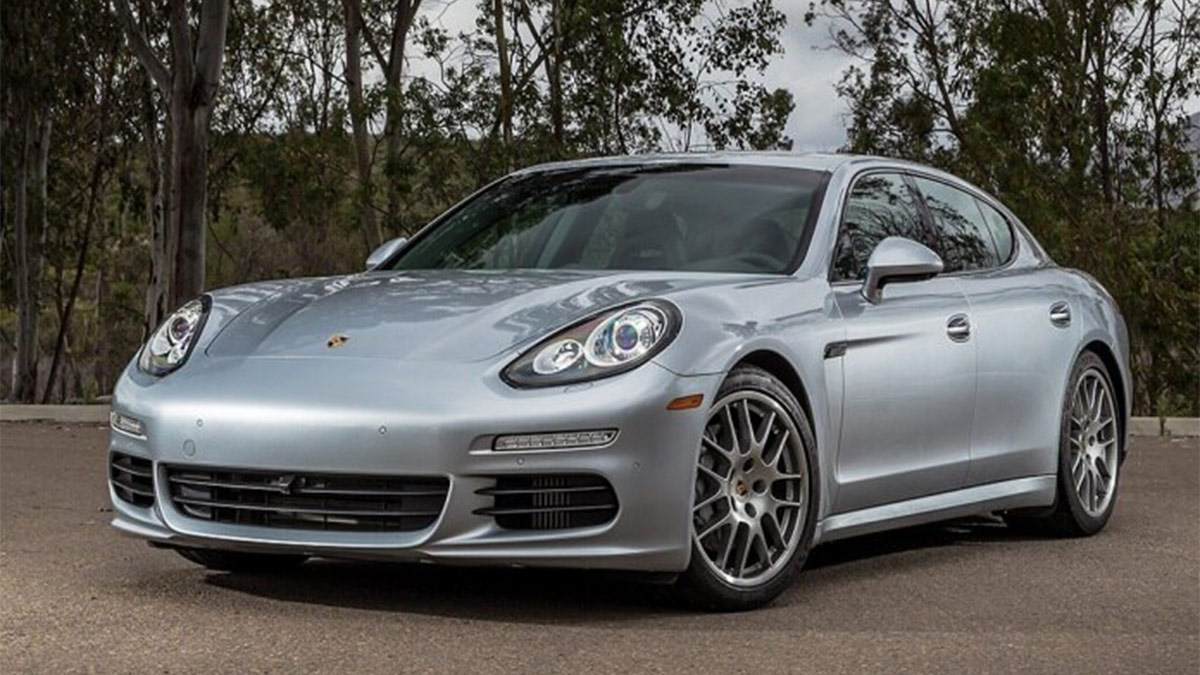
| Consider: Toyota Prius Hyundai Sonata Hybrid Toyota Camry Hybrid | Consider: Chrysler Pacifica Hybrid Toyota Sienna Hybrid | Consider: Ford Escape Hybrid Honda CR-V Hybrid Toyota RAV4 Hybrid | Consider: Porsche Panamera Hybrid Jeep Wrangler 4xe |
3. A Mature Technology Means a Strong Used Market
New-car buyers aren’t the only ones who should look hard at hybrids. There is now a robust used hybrid market. With pre-owned cars, you can get a used hybrid under warranty and enjoy great gas mileage while letting someone else pay for the depreciation.
RELATED: Should You Buy an Electric Car or a Plug-in Hybrid?
Reasons Not to Buy a Hybrid Now
1. The Automotive World Wants to Move Toward Electric or Plug-in Vehicles
Just as hybrid technology isn’t new, it’s not the latest. The automotive industry plans to go electric — at some point. Jaguar recently announced its transition to an all-electric brand. Others, like General Motors, promise a mostly electric lineup with a few gas-powered vehicles within a decade. However, that aggressive and ambitious push is changing. Mary Barra, chief executive of GM, last year disclosed the company is shifting away from its EV rollout to focus on a new wave of PHEVs.
Hurdles are slowing down the adoption of electric cars, such as the need for charging infrastructure in many places. However, America continues to consider electric vehicles, which are on track to make up more than 9.5% of new car sales in 2025. If being on the cutting edge is essential to you, you may not want to be left owning a hybrid when many of your neighbors have switched to electric or PHEV vehicles.
2. It’s Expensive to Buy Any Car
Of course, there’s one additional consideration before hybrid (or car shopping in general). The rising cost of borrowing money to purchase a car due to higher interest rates is impacting consumers. According to Cox Automotive data, the average transaction price of a new car is close to $50,000.
The Federal Reserve cut benchmark interest rates in 2025, but loan rates for consumers remain relatively high. While lenders have made minimal reductions for borrowers, the best offers are limited to certain promotions or those with top-tier credit. Do your due diligence by comparing lenders and watching rate trends.
On the other hand, taking advantage of significant discounts and special financing offers might get you in the driver’s seat of a hybrid sooner.
What’s the Biggest Hurdle to Buying a Hybrid Today?
Generally, hybrids cost more than gas-powered vehicles. That remains the biggest challenge for many potential hybrid buyers today. For example, a 2026 Honda CR-V starts at $32,315. The price of a 2026 Honda CR-V Hybrid begins at $37,025.
Are Hybrid Cars Worth It?
A hybrid car is worth it if you plan to commute regularly to work. Hybrid propulsion technology is tried and tested. They’re as reliable as gasoline-powered cars. Many hybrids get better mileage than their gas-only counterparts.
Editor’s Note: We have updated this article since its initial publication. Chris Hardesty contributed to the report.


I would be interested in buying a hybrid if they did not use run flat tires. The ride is much harder and unacceptable for my wife.
ur numbers are wrong. my toyota hybrid was less than 1500 more and has been saving me many $ for four yrs now . plus the gas engine is so unstressed the mechanic says its like new. also battery is guaranteed for 5 more yrs ! buy one !