




Take a deep breath before you make spending decisions regarding a significant tax refund this year. Budgets are stretched in many directions these days, and it’s important to balance the bump in your bank account with your priorities. It might be time for a much-needed vacation or another splurge. Maybe the money needs to go toward regular bills or emergency savings. Or, you could be in the market for a used car and considering putting your refund toward that purchase.
If this is the case for you, here are five things to do before you commit your tax refund to a vehicle purchase.
1. Consider Paying Down Other Critical Debts First
Before you plunk down your refund on a vehicle, consider if the money would stretch further in other ways that help set you up for long-term success. For example, if you have outstanding debt on a high-interest credit card, it might be more beneficial for you to pay that down first and buy a car later in the year. Similarly, if you don’t have a strong emergency fund, consider building one. If you’re behind on any other bills or obligations, settle those accounts before considering a vehicle purchase.
2. Self-Audit Your Financial Situation
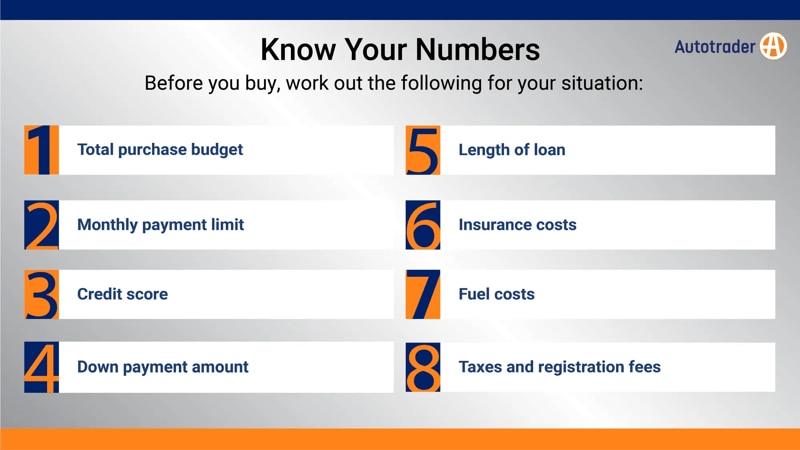
Crunch the numbers before you start car shopping. Evaluating your budget might not be fun, but it’s a smart step. Know exactly what you can afford before you begin looking at vehicles. Doing this helps you avoid falling for a car that strains your finances. Sticking to a firm budget keeps you within your price range. Visit our Affordability Hub for articles, resources, and calculators that can help you find your sweet spot.
3. Research Before You Shop
Don’t go into car shopping blind. It can be tempting to show up and casually “browse” at a dealership, but that may not be how the scenario ultimately plays out, and you may feel pressured.
After you’ve worked out your budget, spend time narrowing down your vehicle choices before you visit a dealership or a private seller. Consider the following:
- What size and type of vehicle will fit your lifestyle? You might have your eye on a cool coupe, but the reality of car seats beckons. If you live in a city with tight parking, a large truck probably won’t be the best bet. If you want an EV but charging options in your area are limited, you’ll probably want to consider a gas vehicle. Think about your day-to-day life and logistical needs, then narrow your search from there.
- What features do you want, and which ones are you willing to sacrifice? Cars with all the bells and whistles are attractive, but when you’re sticking to a budget, it’s very important not to let the price tag creep up just because you want extra comforts like massaging seats and a moonroof. Think about the features that are most important to you and which ones you can skip to keep the price within your budget.
- Are there certain years or generations of the model that have mechanical issues? Once you’ve identified a make and model that you’re interested in, do some research to find out if any specific years or generations that have known problems. Sometimes these can plague just one model year and sometimes they can stretch through a certain period of a model’s life. That doesn’t mean you have to rule out the car completely, but you might want to consider a different year when those issues were fixed or before they appeared.
- Keep an open mind. You might go into your search convinced that a certain car is for you, but your preferences can shift as you see other options. There are many comparable vehicles, so try not to limit yourself to a particular manufacturer or model — you could miss out on the perfect car.
Once you have a list of cars that fit your needs, you can get to searching for specific vehicles to research further and schedule test drives.
4. Get Preapproval — Even If You Won’t Use It
Even if you don’t use it, getting a preapproval from an outside lender before you purchase a vehicle can be a smart move. It gives you loan terms and interest rates for reference during negotiations so you can compare apples to apples during financing discussions. It’s an extra step, but one that helps increase your negotiating power and protects your budget.
5. Run Vehicle History, Test Drive, and Get Inspection
When you’ve identified a model you think is a good fit, run a full vehicle history report. You can determine how many previous owners it’s had, accident history, and, in many cases, its maintenance history. This information is essential for an informed decision. If the seller doesn’t provide a report, the cost to obtain one is well worth it for peace of mind and to potentially identify any immediate red flags.
If the vehicle history report meets your satisfaction, schedule a test drive. Finally, if you think you’ve found the right ride, it’s best to get a pre-purchase inspection from a qualified mechanic. Don’t let the seller balk at this — a car is a significant purchase, and you want to ensure that your tax refund goes toward a vehicle that’s in top shape.
| Remember: Your tax refund is a great opportunity to make a dent in a used car purchase, but don’t rush into the first deal you find. Make sure it fits your financial strategy, and do the legwork to research and test-drive vehicles that fit both your lifestyle and your wallet. |


