


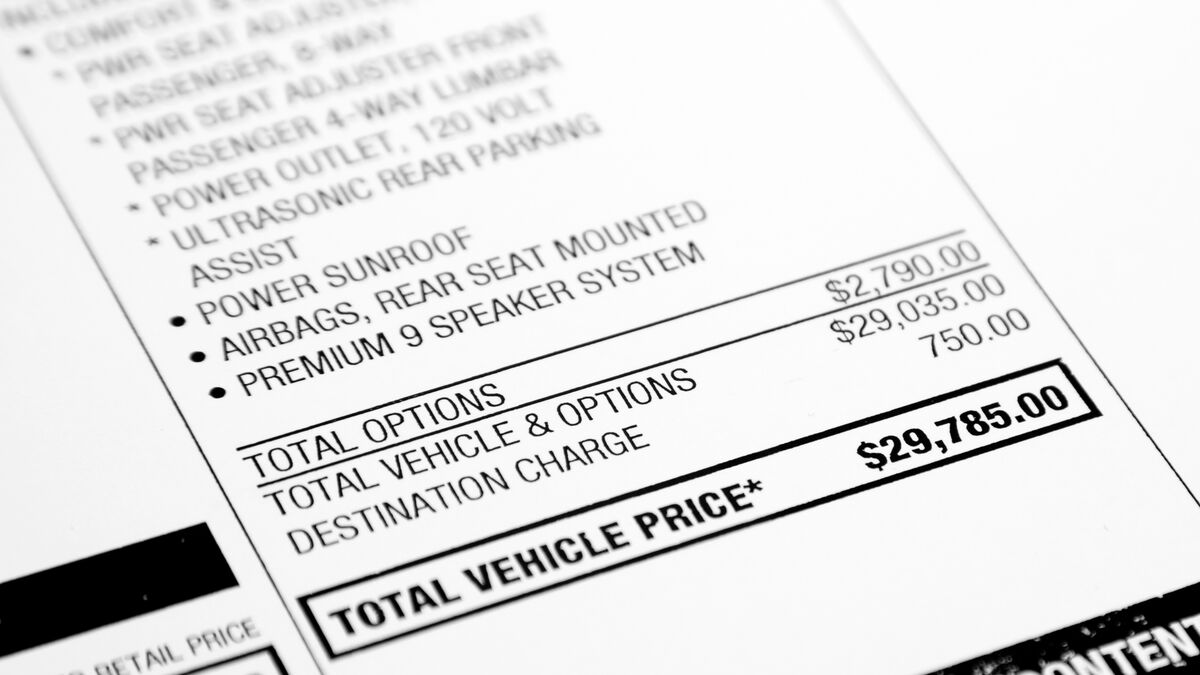
Buying a new car usually requires understanding several numbers, the most important of which is your out-the-door price, or the total you’ll be charged for the vehicle. The price of the car is part of that equation, but there are sometimes many other fees tacked onto the bottom line. Some of them are required, but others are negotiable, so it’s essential to do your homework and understand what you’re paying for. This guide details some of the fees you may see when buying a new car, and how you may be able to negotiate some of them.
What Fees Do You Pay When Buying a New Car?
While it’s sometimes possible to negotiate certain fees, others are required, and dealers have little wiggle room. Sales tax and registration fees must be paid to the state or local government, and the automaker usually sets the destination fee to cover the shipping and logistics costs of moving vehicles across the country. Many dealers also charge documentation fees to cover the cost of preparing and filing the paperwork associated with that purchase. Of these, the documentation fee is generally the most flexible, but the dealers that charge it are often unenthusiastic about reducing the fee or waiving it altogether.
MORE: How to Buy a Car
Fees to Watch Out For
Many of the fees seen at the finance office desk can be negotiated or removed completely. Dealers sometimes install accessories, such as roof racks and towing packages, which can often be negotiated. Others, such as the dealer prep fee and freight fee, help cover the dealer’s costs, but they are not required, and many stores are willing to reduce or remove them altogether. You may also see fees for special services, such as VIN etching or nitrogen-filled tires, which you should discuss with the finance or sales manager.
Negotiating isn’t fun for most people, but it’s important to review and understand all of the numbers on the bill of sale to avoid paying too much. Dealers aren’t always willing or able to reduce some of the charges, but it’s always worth asking, and doing so could save you thousands on the long-term costs of owning your new car.
Fees That Vary by State and Dealer
It’s sometimes possible to find a better deal by shopping outside of your home area, but that can also cause some confusion when it comes to fees. Taxes are the most variable cost between states, but you will most likely be required to pay taxes where you live, not where you bought the car. Some towns and counties also charge taxes and fees, so it’s a good idea to do your research before you buy. Dealers also sometimes charge market adjustments, sometimes called markups. These charges are often placed on in-demand new models, low-production specialty models, and limited-edition vehicles, but they are not required and are typically pure profit for dealers. You can usually negotiate market adjustments, but the best strategies are to wait until the hype around a car dies down or consider another, less popular model.
Read before you buy. Figures are the statewide rate applied to a new-vehicle purchase. Many states add county/city taxes on top, and some use a special vehicle tax (excise, use, title ad valorem, privilege or highway-use tax) instead of general sales tax. Rates change and exemptions/credits (e.g., trade-in allowances) vary. Always confirm the current amount with the linked official source before purchase. Verified against official state sites; last reviewed July 2026.
How to Negotiate Nonessential Car-Buying Fees
The tips listed below apply to negotiating the entire car purchase, but they will also help get your ducks in a row so that you understand car prices and fees before heading to the dealer. One of the most important things you can do during any negotiation is to keep your cool and to remember that there is nothing wrong with walking away from a deal if it doesn’t feel like a good fit. There are also no rules against taking your time. Gather quotes from multiple dealers, as it’s often possible to leverage lower pricing from one store to negotiate at another. Don’t feel pressured to accept charges you consider unnecessary. You could end up paying thousands more over the time you own the vehicle.
Editor’s Note: We have updated this article since its initial publication.


Great article! Many buyers focus only on the sticker price, but the real cost of a new car includes taxes, registration, insurance, documentation fees, financing charges, and optional dealer add-ons. Understanding which fees are mandatory and which are negotiable can save a significant amount of money. Doing your research, comparing offers, and carefully reviewing the final invoice before signing are some of the smartest steps any car buyer can take. Thanks for sharing such practical advice!
Buy a low mileage car one or two years old and keep it for about three years. You will save on depreciation, insurance, and taxes, while maintenance will be somewhat higher (sell at 80K miles to avoid the big issues).
I bought a 2015 Ford Fusion with only 8 miles on it. Of course brand new. Here I am 4 months later with only 3,200 miles on it and it has depreciated 10,000 dollars. How can this be? They are telling me that’s all they can get for it at auction ($15,000). I paid $25,000 for it. This is ludicrous. LS
The Accord costs $1,353 annually to insure? How is that true? I pay $35/month for full coverage for mine thru Insurance Panda. Are these people crazy?
hi all, just a reminder than insurance panda is a scam website and pays people to secretly advertise in comments sections on public websites.
I LIKE IT
so depreciation is the #1 or 2 cost factor long term– where do we find the most accurate figures to evaluate this cost of specific models/trims for certain time durations?? Enjoyed the article except for this omission!!!
KBB.com is where we got the information. You should be able to do the same.