


Car Shopping
What Term Should Your Car Loan Be When Buying?
Learn how car loan terms affect monthly payments, interest costs, and equity, and how to choose the right financing length for your budget.
Read reviews and news, watch videos and find Finance vehicles for sale near you.
Learn how car loan terms affect monthly payments, interest costs, and equity, and how to choose the right financing length for your budget.

Learn how to trade in a car you still owe money on, calculate equity, handle negative equity, and understand your loan payoff options.

Our advice to first-time car buyers is essentially the same as for any car shopper: Before setting foot on a dealer’s lot, thoroughly research and gather all the information you can. Having said that, here are a few things to consider as you embark on your first car-buying journey.
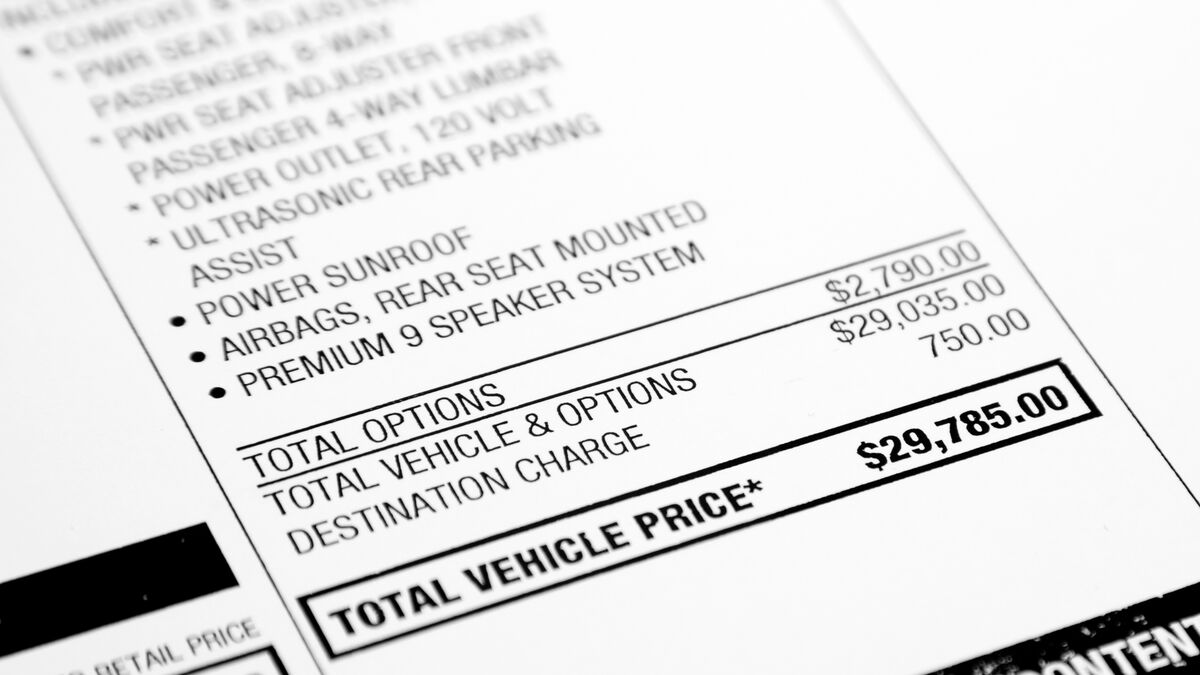
Buying a car comes with additional fees. Some of these, like state or local taxes, won’t be negotiable, but many of the others might be.

Here’s the truth many borrowers don’t realize: When a car is repossessed, nobody wins. See what you can do if you fall behind on your car payment.

A car lease is an agreement that gives the consumer the right to use the leased vehicle over a set period. Instead of outright ownership, car leasing works more like a long-term rental where the driver doesn’t own the vehicle but is still responsible its use. Leases are subject to term limits, usually two or three years.
Learn why buying an outgoing model-year car can help you save money, plus the trade-offs to consider before choosing last year’s model.

Avoid surprise lease-end fees: understand normal wear vs. excessive damage, fix dents, scratches, glass, and tires early, get a pre-inspection, clean the car, and report accidents promptly.
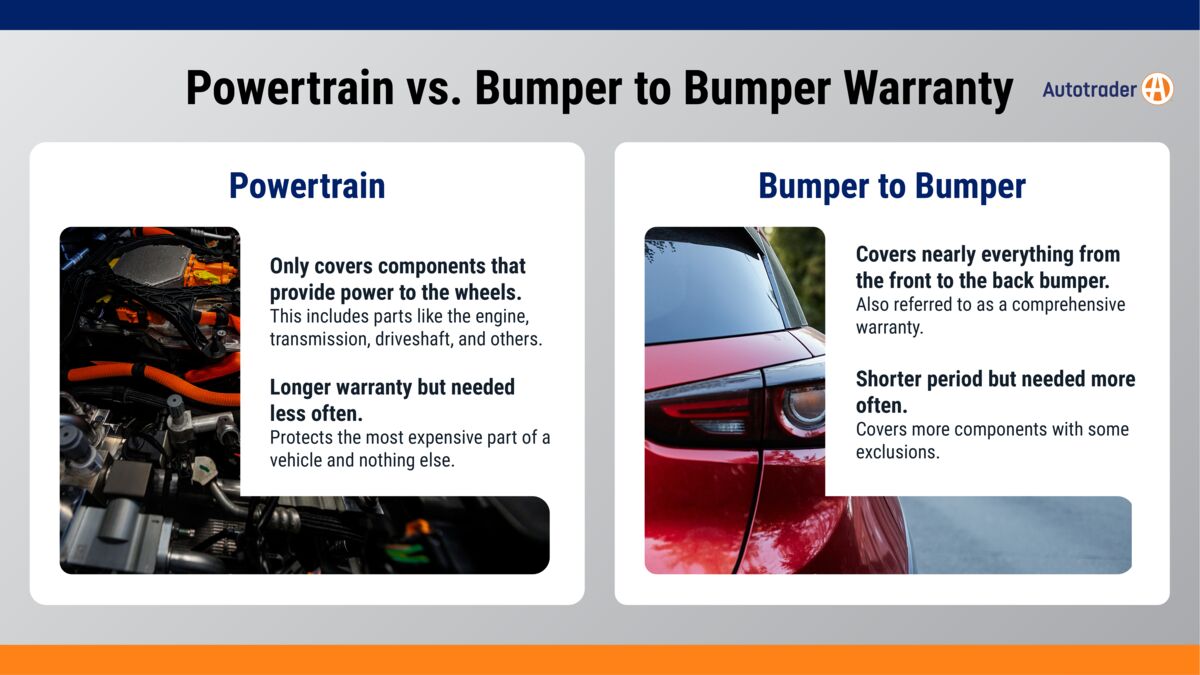
Powertrain warranties typically last longer but have less coverage than bumper-to-bumper warranties. Make sure you read your plan thoroughly to understand which items and situations are excluded from warranty coverage.

Finance charges often include taxes and dealer fees, but private sales usually don’t. Learn common dealer fees, when taxes aren’t rolled into loans, and how leasing handles taxes.