


How to Buy a Car
Learn how to buy a new or used car, set a budget, compare financing, negotiate the price, and complete the paperwork with confidence.
Learn how to buy a new or used car, set a budget, compare financing, negotiate the price, and complete the paperwork with confidence.
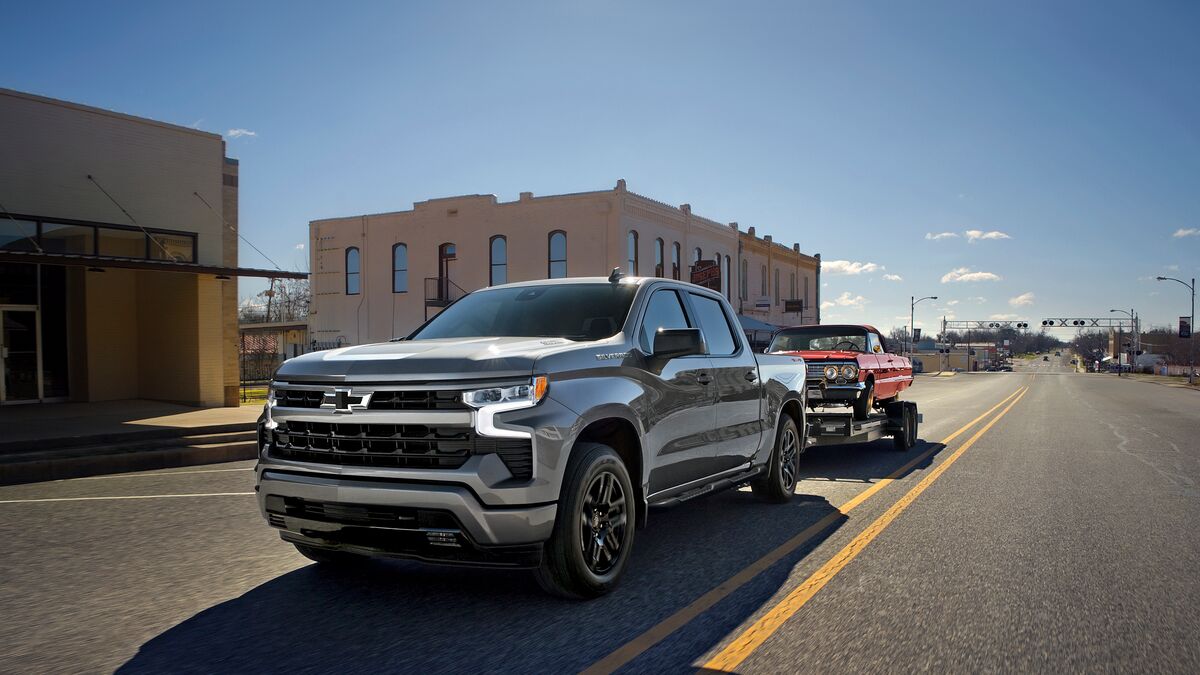
Shopping for a car this holiday weekend? Here are 10 great Fourth of July deals.

Use taxes, sales tax, and various other taxes may apply when you purchase a vehicle. The exact amount will depend on where you live and the total cost of the car.

Certified pre-owned cars offer manufacturer-backed inspections, warranties, and added peace of mind. Learn how CPO vehicles compare with used cars.
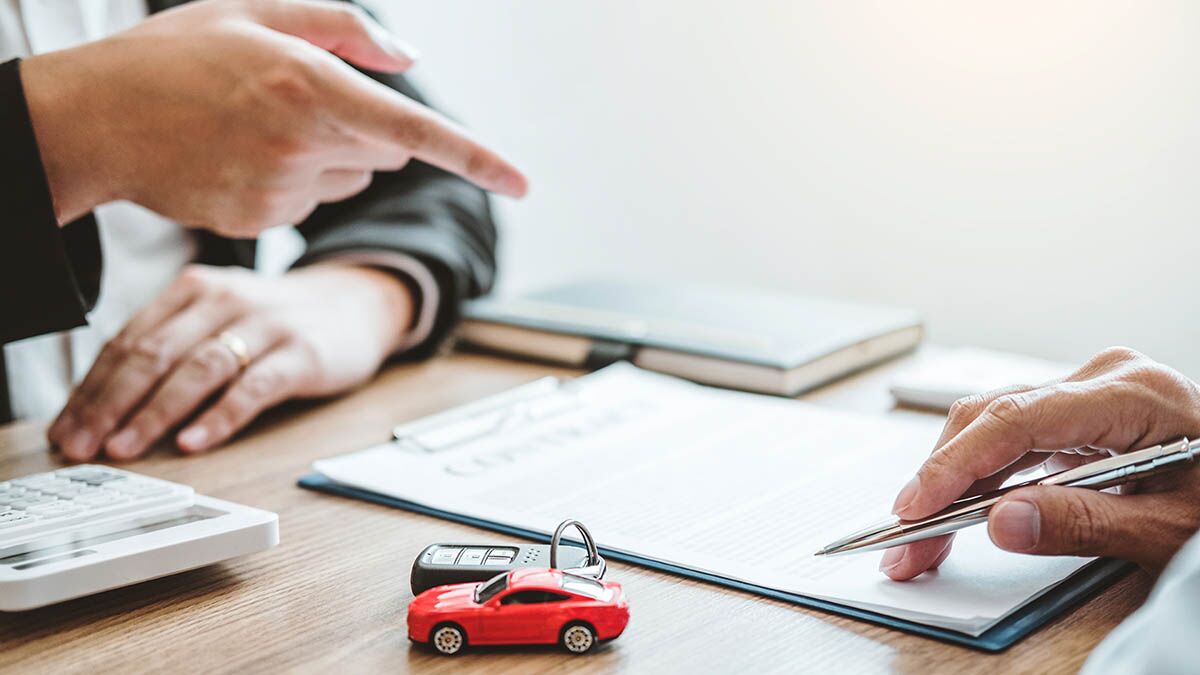
Learn how to negotiate a car deal, compare dealer offers, avoid hidden fees, and secure the best out-the-door price.
If you’ve wondered about buying a car completely online, the answer is: your ability to do so will depend on the car you’re looking at, your location, and your comfort level with online transactions.
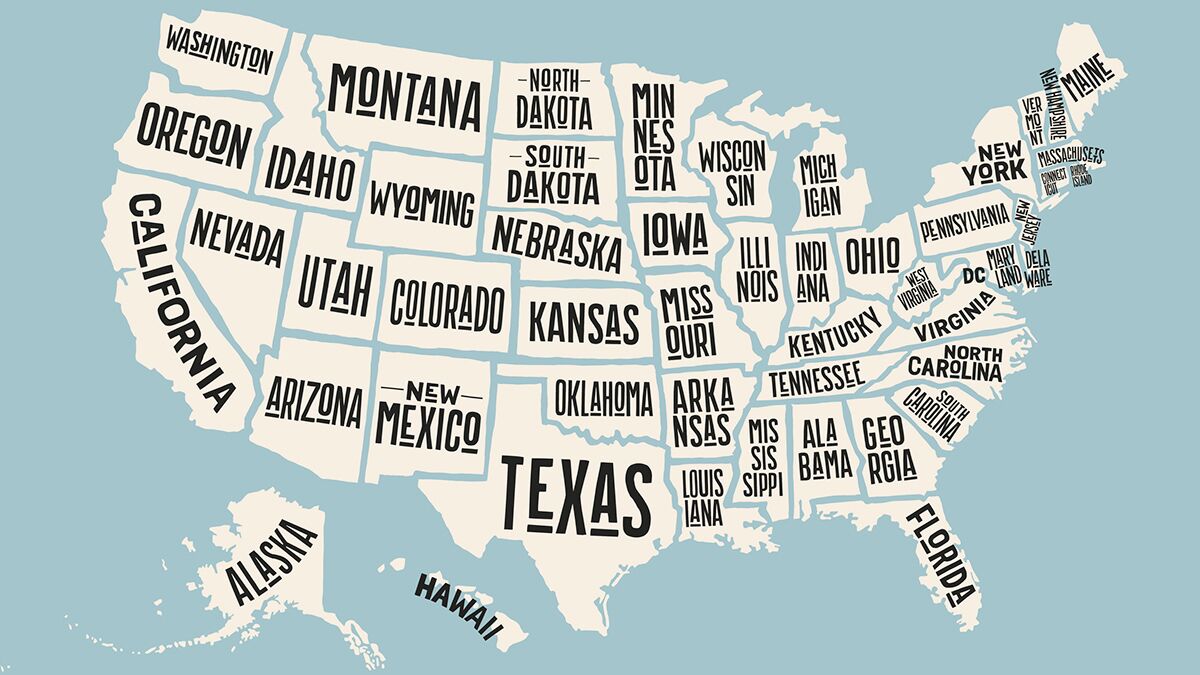
Learn how to buy a used car online: set a budget, compare listings, review history reports, inspect the vehicle, and complete the purchase confidently.

Compare listings, set alerts, review history reports, and use test-own windows with these tips for buying a used car online.
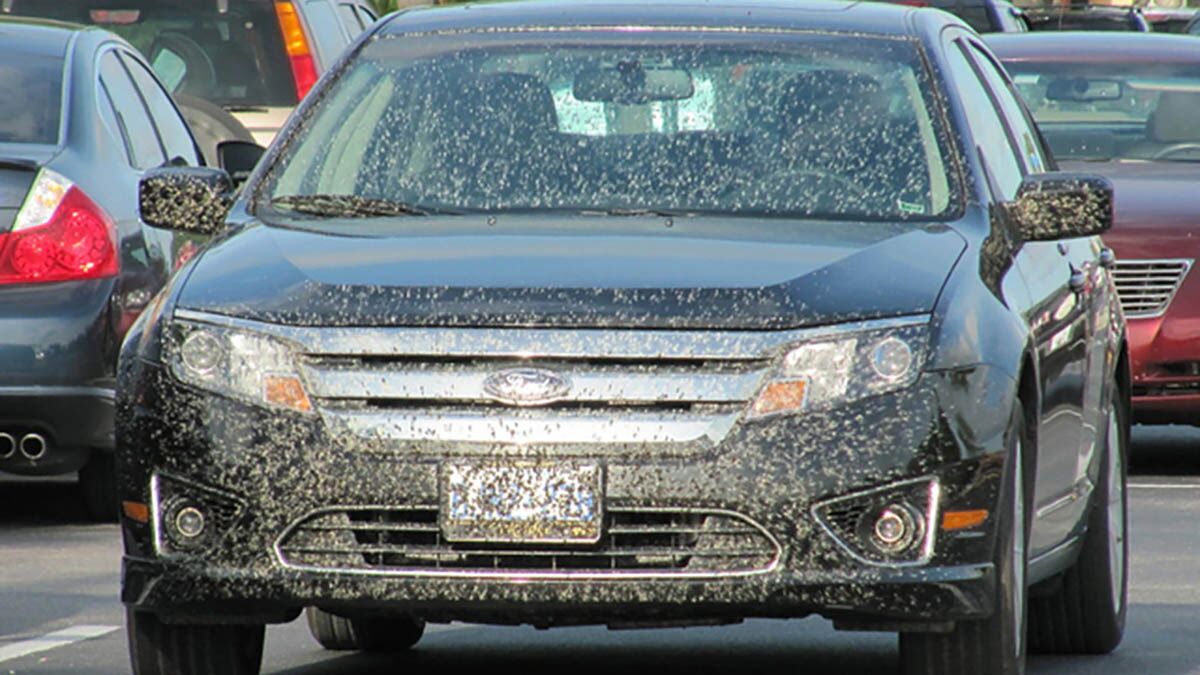
Learn how to remove lovebugs from your car quickly, protect the paint, and prevent damage during lovebug season.
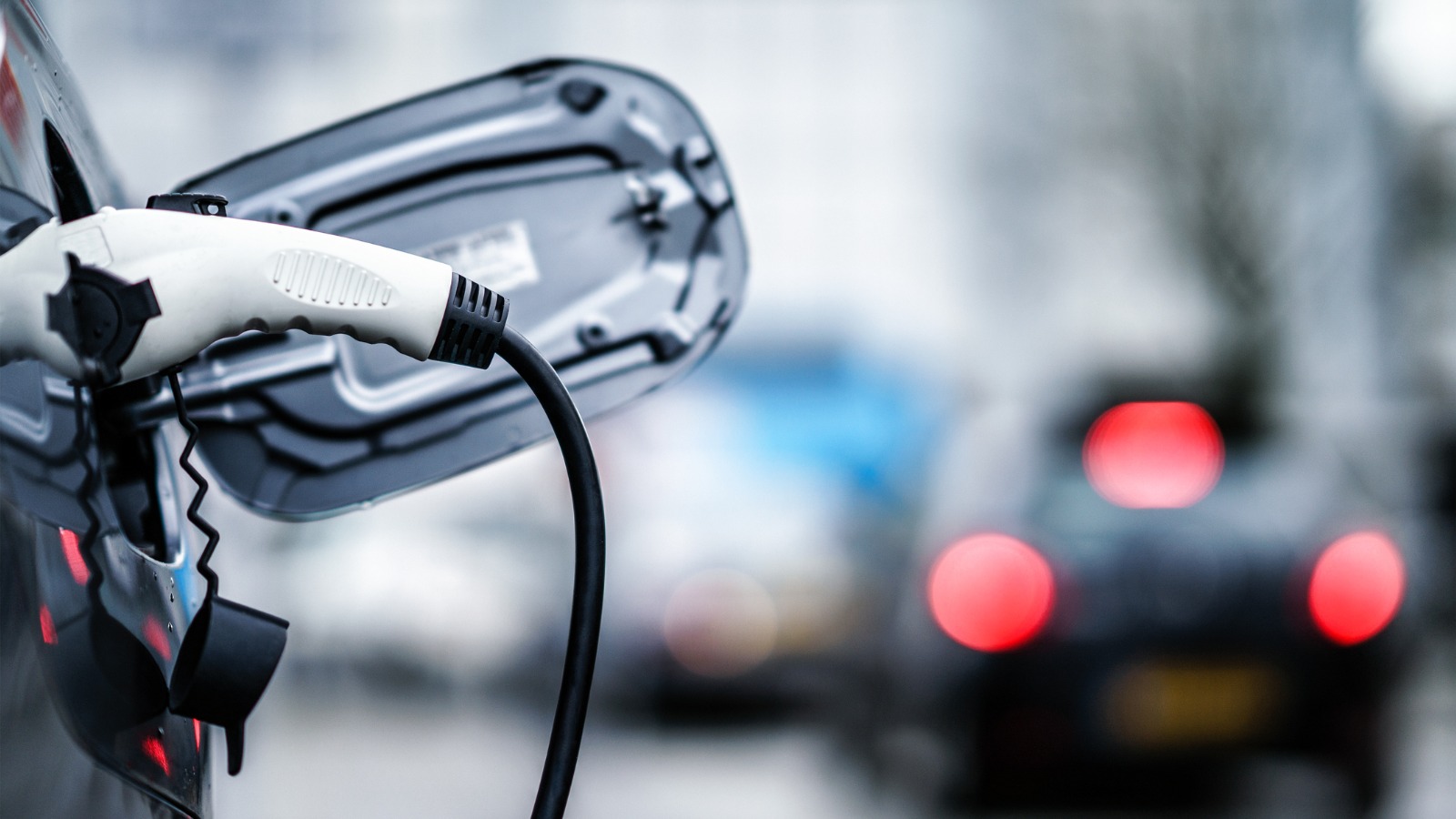
A clear guide to EV charging levels, plug types, station availability, and common misconceptions for new and prospective electric vehicle owners.