


How to Trade in a Car You Haven’t Paid Off: Tips from Experts
Learn how to trade in a car you still owe money on, calculate equity, handle negative equity, and understand your loan payoff options.
Learn how to trade in a car you still owe money on, calculate equity, handle negative equity, and understand your loan payoff options.
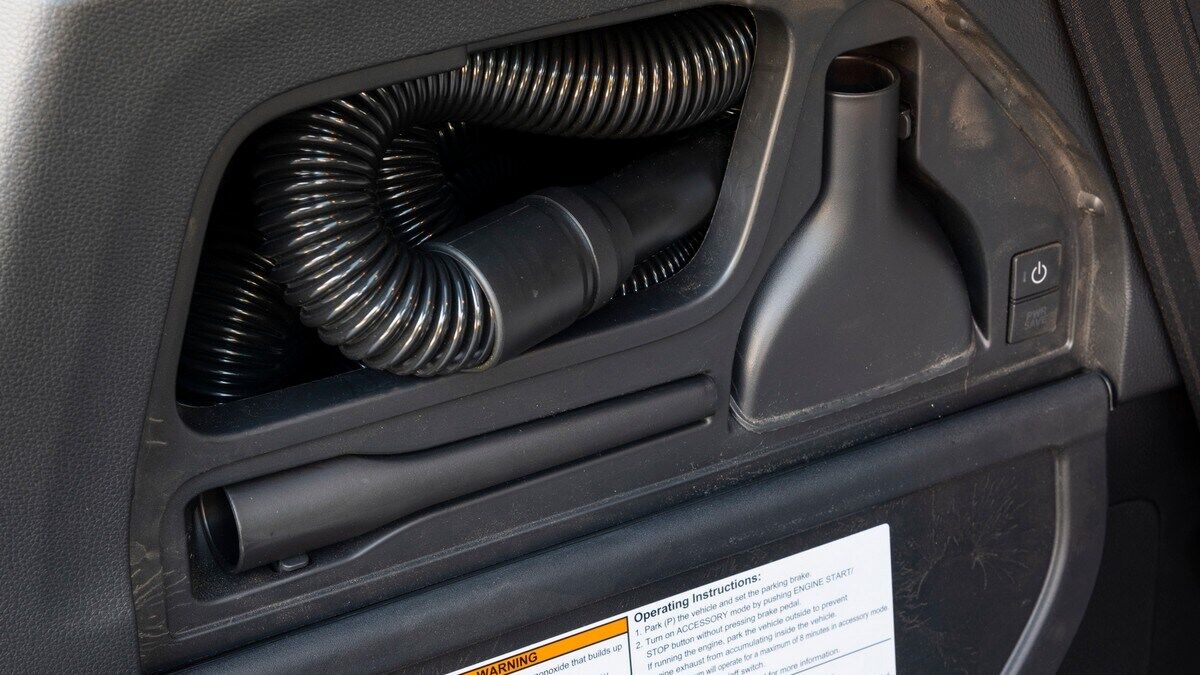
Built-in car vacuums are a great convenience for families. We have information about which vehicles offer this feature.
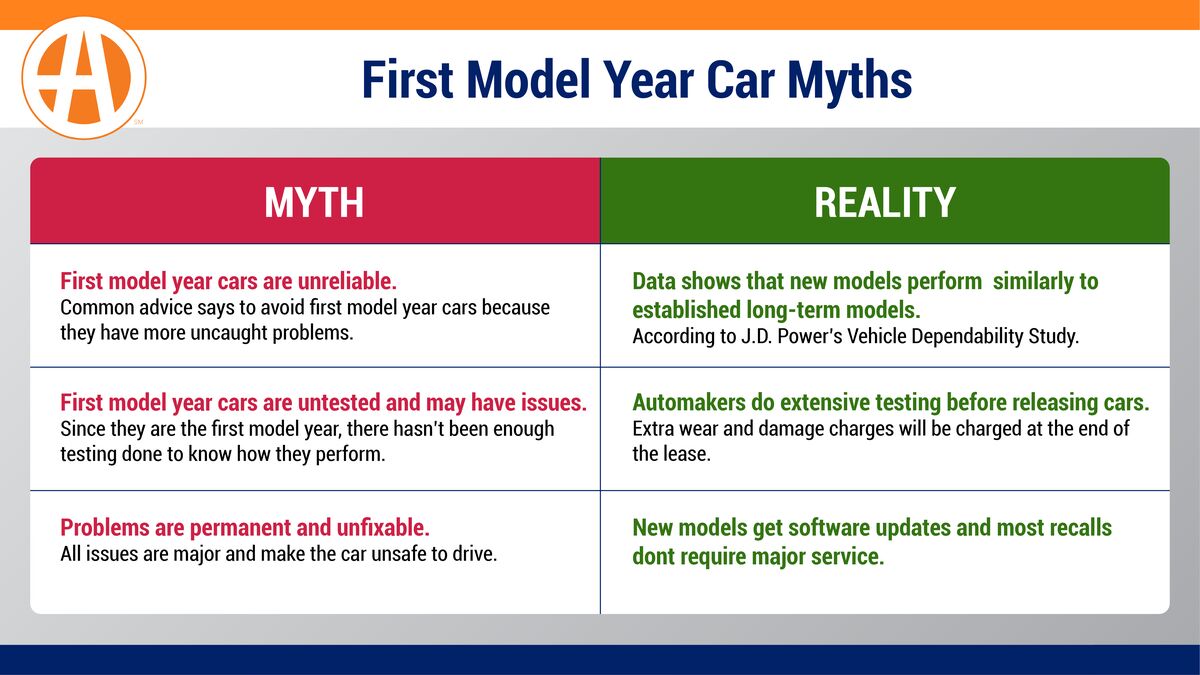
Should you avoid buying a first-model-year car? Learn the potential risks, reliability considerations, and what to research before buying.
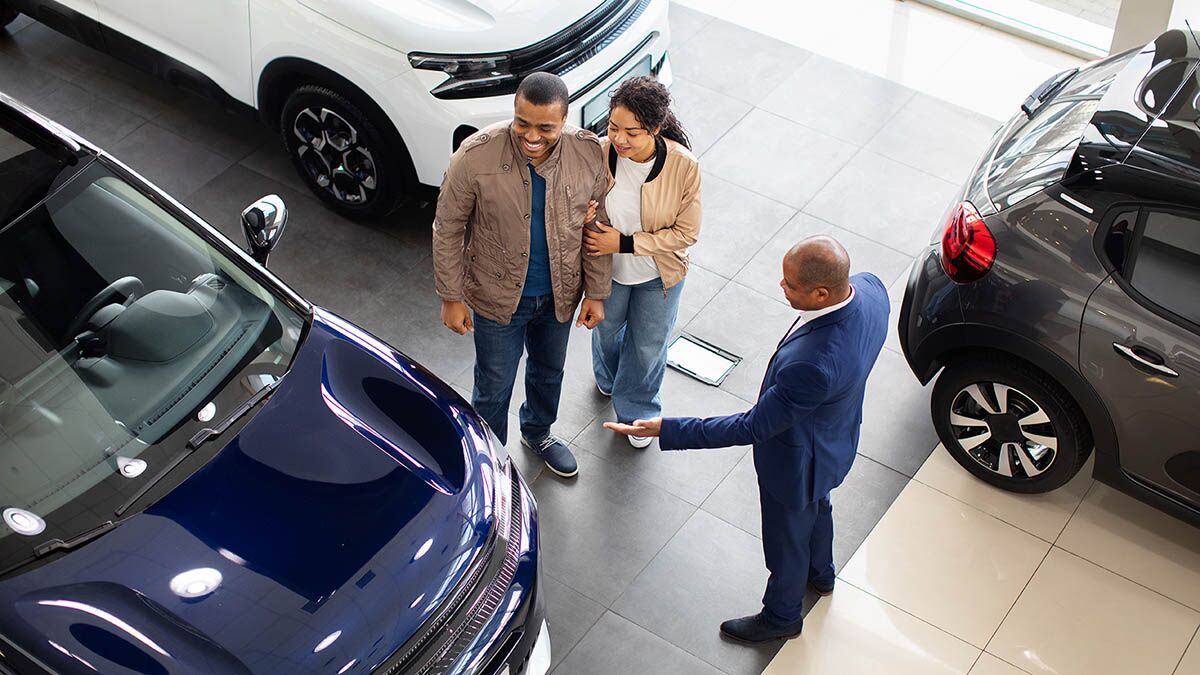
Make a dealership appointment to confirm the car is available, reduce waiting, and ensure the vehicle is ready for your test drive.

Our advice to first-time car buyers is essentially the same as for any car shopper: Before setting foot on a dealer’s lot, thoroughly research and gather all the information you can. Having said that, here are a few things to consider as you embark on your first car-buying journey.
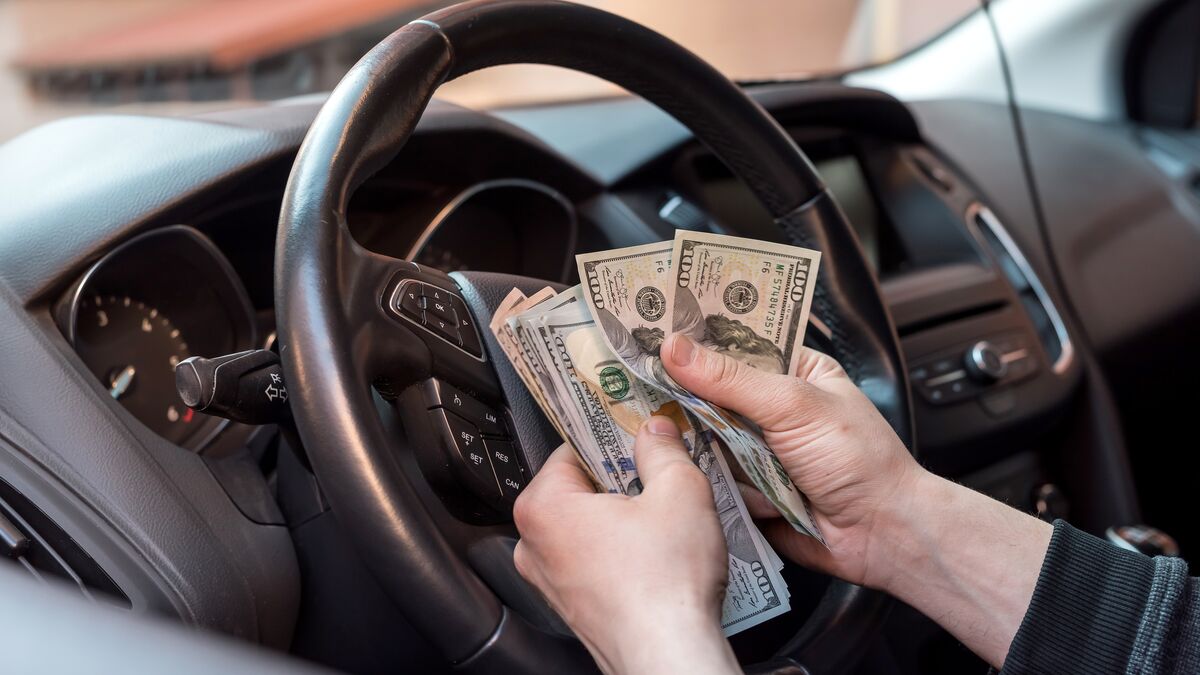
The five basic components that make up your car payment are: down payment, principal, interest, loan term, and fees and add-ons.
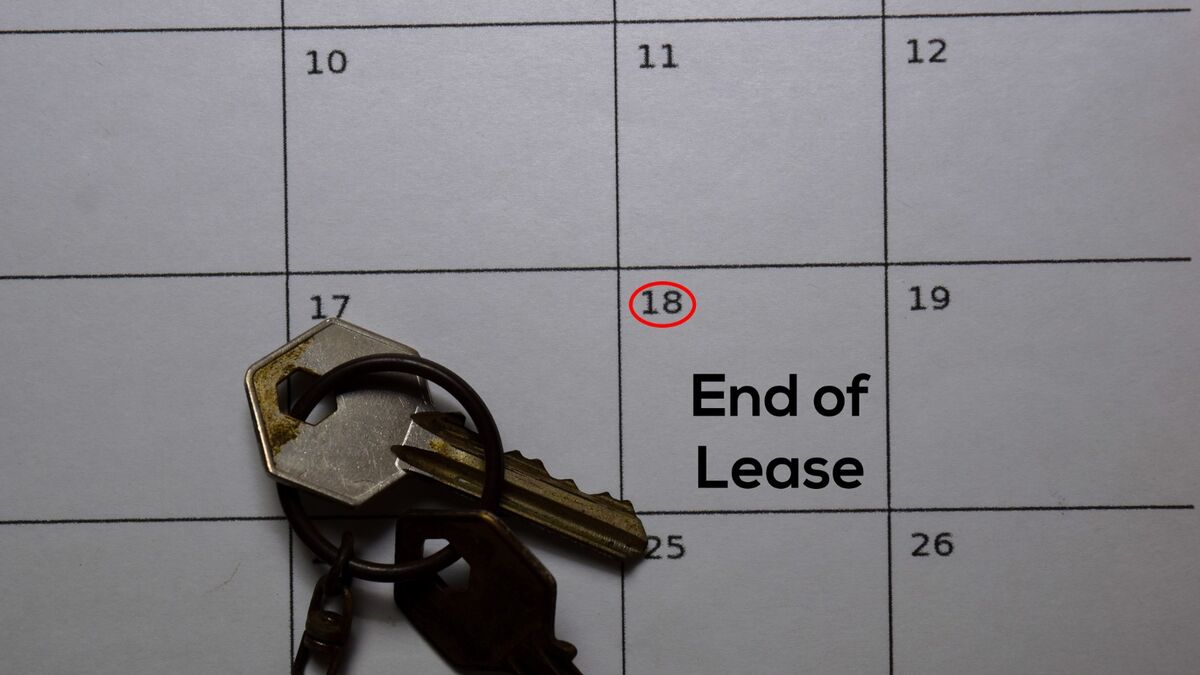
Learn what to expect when returning a leased car, including inspections, mileage and wear and tear charges, disposition fees, and possible equity.
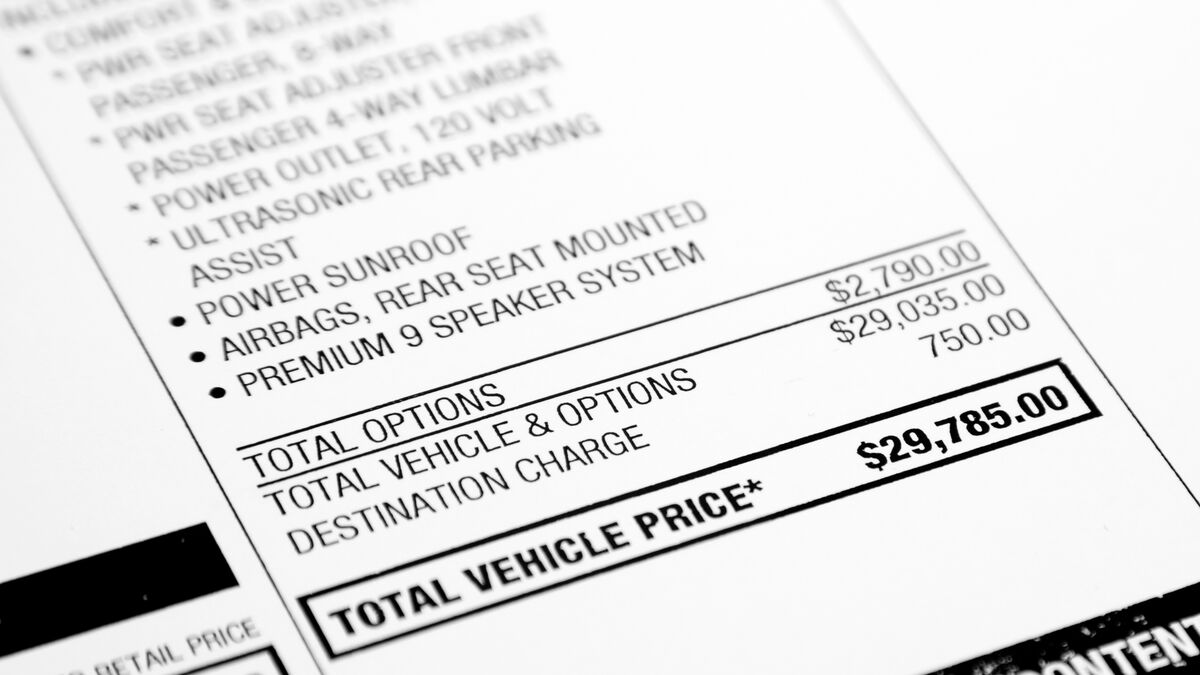
Buying a car comes with additional fees. Some of these, like state or local taxes, won’t be negotiable, but many of the others might be.

Here’s the truth many borrowers don’t realize: When a car is repossessed, nobody wins. See what you can do if you fall behind on your car payment.

A car lease is an agreement that gives the consumer the right to use the leased vehicle over a set period. Instead of outright ownership, car leasing works more like a long-term rental where the driver doesn’t own the vehicle but is still responsible its use. Leases are subject to term limits, usually two or three years.