
Certified Program
 Learn more
 Learn more
Used Jeep Wrangler for Sale Near Me
Filters (3)
|Clear FiltersItems 1 to 2 of 19.
31,763 Matches Learn more about the Jeep Wrangler


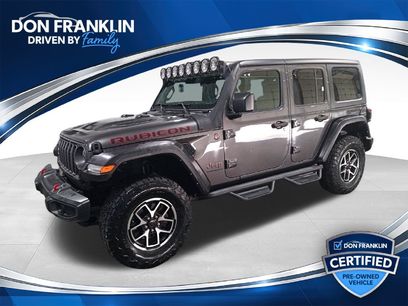

Item 1 of 4.


Price Reduced!
27,998


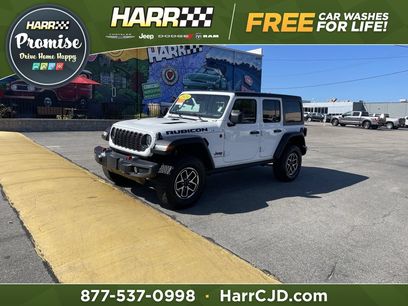
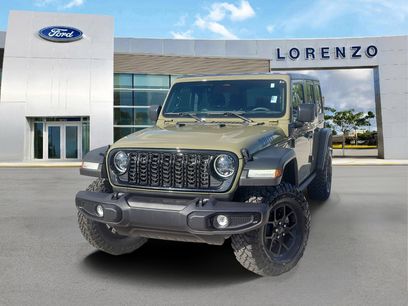
34,985


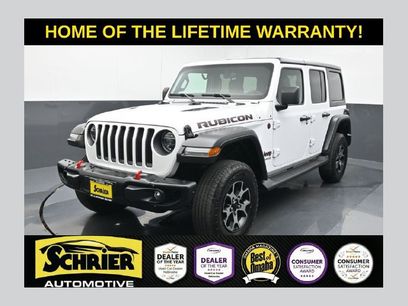


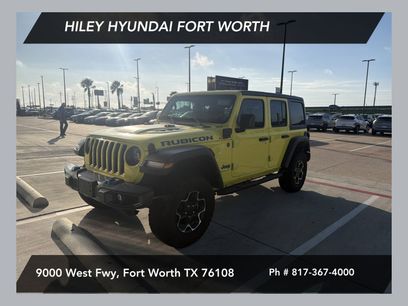
32,166


30,716

Similar Vehicles for Sale
- Used White Jeep Wrangler for Sale6754 for sale
- Used Pink Jeep Wrangler for Sale80 for sale
- Used Green Jeep Wrangler for Sale1894 for sale
- Used Blue Jeep Wrangler for Sale1818 for sale
- Used Manual Jeep Wrangler for Sale2405 for sale
- Used Orange Jeep Wrangler for Sale456 for sale
- Used Jeep Wrangler Diesel for Sale601 for sale
- Used Yellow Jeep Wrangler for Sale367 for sale
- Used Jeep Wrangler V8 for Sale706 for sale
- Used Purple Jeep Wrangler for Sale58 for sale
- Used Jeep Wrangler Hybrid for Sale5743 for sale
- Cheap Jeep Wrangler for Sale7608 for sale
- Used Jeep Wrangler for Sale Under $10,000729 for sale
- Used Jeep Wrangler for Sale Under $15,0003054 for sale
- Used Jeep Wrangler for Sale Under $5,00052 for sale
- Used Jeep Wrangler Vehicles with AWD/4WD for Sale31723 for sale
Jeep Wrangler for Sale by Year
- 2026 Jeep Wrangler For Sale1447 for sale starting at $12,900
- 2025 Jeep Wrangler For Sale2439 for sale starting at $13,900
- 2024 Jeep Wrangler For Sale4343 for sale starting at $10,900
- 2023 Jeep Wrangler For Sale4018 for sale starting at $11,980
- 2022 Jeep Wrangler For Sale2903 for sale starting at $11,400
- 2021 Jeep Wrangler For Sale3494 for sale starting at $8,500
- 2020 Jeep Wrangler For Sale2021 for sale starting at $11,785
- 2019 Jeep Wrangler For Sale1465 for sale starting at $9,000
- 2018 Jeep Wrangler For Sale2654 for sale starting at $5,000
- 2017 Jeep Wrangler For Sale1527 for sale starting at $5,000
- 2016 Jeep Wrangler For Sale1202 for sale starting at $7,680
- 2015 Jeep Wrangler For Sale1119 for sale starting at $4,400
Used Jeep Wrangler for Sale by Trim
- Used Jeep Wrangler Unlimited Sahara For Sale9208 for sale starting at $2,500
- Used Jeep Wrangler Unlimited Sport For Sale7269 for sale starting at $4,200
- Used Jeep Wrangler Unlimited Rubicon For Sale5542 for sale starting at $6,300
- Used Jeep Wrangler Sport For Sale3259 for sale starting at $1,450
- Used Jeep Wrangler Unlimited For Sale1538 for sale starting at $9,500
- Used Jeep Wrangler Unlimited Rubicon 4xe For Sale1477 for sale starting at $19,995
- Used Jeep Wrangler Unlimited Sport S For Sale1466 for sale starting at $5,999
- Used Jeep Wrangler Rubicon For Sale650 for sale starting at $6,999
- Used Jeep Wrangler Unlimited Rubicon 392 For Sale521 for sale starting at $50,000
- Used Jeep Wrangler Sahara For Sale466 for sale starting at $1,000
- Used Jeep Wrangler X For Sale238 for sale starting at $2,300
- Used Jeep Wrangler High Altitude For Sale206 for sale starting at $26,574
- Used Jeep Wrangler Unlimited X For Sale109 for sale starting at $2,900
- Used Jeep Wrangler Unlimited Sport S 4xe For Sale105 for sale starting at $25,972
- Used Jeep Wrangler SE For Sale92 for sale starting at $675
- Used Jeep Wrangler Rio Grande For Sale21 for sale starting at $3,499
- Used Jeep Wrangler S For Sale16 for sale starting at $3,900
- Used Jeep Wrangler Renegade For Sale4 for sale starting at $19,999
- Used Jeep Wrangler Sport S For Sale4 for sale starting at $31,995
Used Jeep Wrangler for Sale by City
- Used Jeep Wrangler For Sale in Miami1148 for sale
- Used Jeep Wrangler For Sale in Atlanta725 for sale
- Used Jeep Wrangler For Sale in Wilmington723 for sale
- Used Jeep Wrangler For Sale in Philadelphia707 for sale
- Used Jeep Wrangler For Sale in Chicago692 for sale
- Used Jeep Wrangler For Sale in Tampa679 for sale
- Used Jeep Wrangler For Sale in Dallas674 for sale
- Used Jeep Wrangler For Sale in Washington661 for sale
- Used Jeep Wrangler For Sale in Phoenix648 for sale
- Used Jeep Wrangler For Sale in Cleveland638 for sale
- Used Jeep Wrangler For Sale in Baltimore523 for sale
- Used Jeep Wrangler For Sale in Indianapolis501 for sale
- Used Jeep Wrangler For Sale in Denver486 for sale
- Used Jeep Wrangler For Sale in Houston481 for sale
- Used Jeep Wrangler For Sale in Newark471 for sale
- Used Jeep Wrangler For Sale in Los Angeles468 for sale
- Used Jeep Wrangler For Sale in New York437 for sale
- Used Jeep Wrangler For Sale in Detroit400 for sale
- Used Jeep Wrangler For Sale in Saint Louis397 for sale
- Used Jeep Wrangler For Sale in Charlotte386 for sale
- Used Jeep Wrangler For Sale in Seattle377 for sale
- Used Jeep Wrangler For Sale in Manchester352 for sale
- Used Jeep Wrangler For Sale in Raleigh343 for sale
- Used Jeep Wrangler For Sale in Portland322 for sale
- Used Jeep Wrangler For Sale in Nashville317 for sale
- Used Jeep Wrangler For Sale in Providence313 for sale
- Used Jeep Wrangler For Sale in Minneapolis312 for sale
- Used Jeep Wrangler For Sale in Kansas City306 for sale
- Used Jeep Wrangler For Sale in Jacksonville299 for sale
- Used Jeep Wrangler For Sale in Pittsburgh297 for sale
- Used Jeep Wrangler For Sale in Boston270 for sale
- Used Jeep Wrangler For Sale in San Francisco270 for sale
- Used Jeep Wrangler For Sale in Salt Lake City255 for sale
- Used Jeep Wrangler For Sale in Austin250 for sale
- Used Jeep Wrangler For Sale in Grand Rapids248 for sale
- Used Jeep Wrangler For Sale in Bridgeport237 for sale
- Used Jeep Wrangler For Sale in San Diego234 for sale
- Used Jeep Wrangler For Sale in Louisville231 for sale
- Used Jeep Wrangler For Sale in Birmingham228 for sale
- Used Jeep Wrangler For Sale in Sacramento220 for sale
- Used Jeep Wrangler For Sale in Milwaukee213 for sale
- Used Jeep Wrangler For Sale in San Antonio209 for sale
- Used Jeep Wrangler For Sale in Oklahoma City188 for sale
- Used Jeep Wrangler For Sale in Tulsa171 for sale
- Used Jeep Wrangler For Sale in Omaha165 for sale
- Used Jeep Wrangler For Sale in Las Vegas165 for sale
- Used Jeep Wrangler For Sale in Virginia Beach135 for sale
- Used Jeep Wrangler For Sale in Memphis134 for sale
- Used Jeep Wrangler For Sale in Albuquerque118 for sale
- Used Jeep Wrangler For Sale in Des Moines115 for sale
- Used Jeep Wrangler For Sale in Buffalo115 for sale
- Used Jeep Wrangler For Sale in Little Rock105 for sale
- Used Jeep Wrangler For Sale in Burlington98 for sale
- Used Jeep Wrangler For Sale in Boise79 for sale
- Used Jeep Wrangler For Sale in New Orleans71 for sale
- Used Jeep Wrangler For Sale in Wichita67 for sale
- Used Jeep Wrangler For Sale in Lewiston63 for sale
- Used Jeep Wrangler For Sale in Honolulu59 for sale
- Used Jeep Wrangler For Sale in Columbia58 for sale
- Used Jeep Wrangler For Sale in Charleston51 for sale
- Used Jeep Wrangler For Sale in Cheyenne51 for sale
- Used Jeep Wrangler For Sale in Columbus42 for sale
- Used Jeep Wrangler For Sale in Sioux Falls36 for sale
- Used Jeep Wrangler For Sale in Jackson31 for sale
- Used Jeep Wrangler For Sale in Billings23 for sale
- Used Jeep Wrangler For Sale in Fargo22 for sale
- Used Jeep Wrangler For Sale in Anchorage14 for sale
View All Cities